


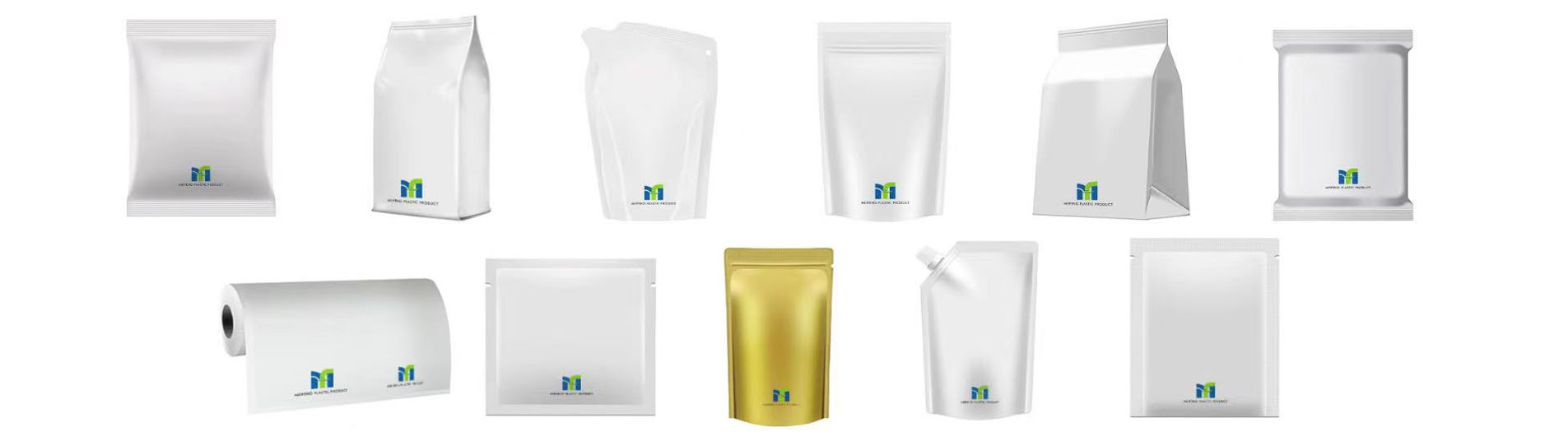
What is a retort pouch used for?
| Category | Feature / Use | Details / Benefits | Typical Applications |
|---|---|---|---|
| High-Temperature Sterilization | Retort food packaging | Filled retort pouches are sterilized in high-temperature, high-pressure retort; typical range: 121–135°C | Kills bacteria and spores to achieve commercial sterility |
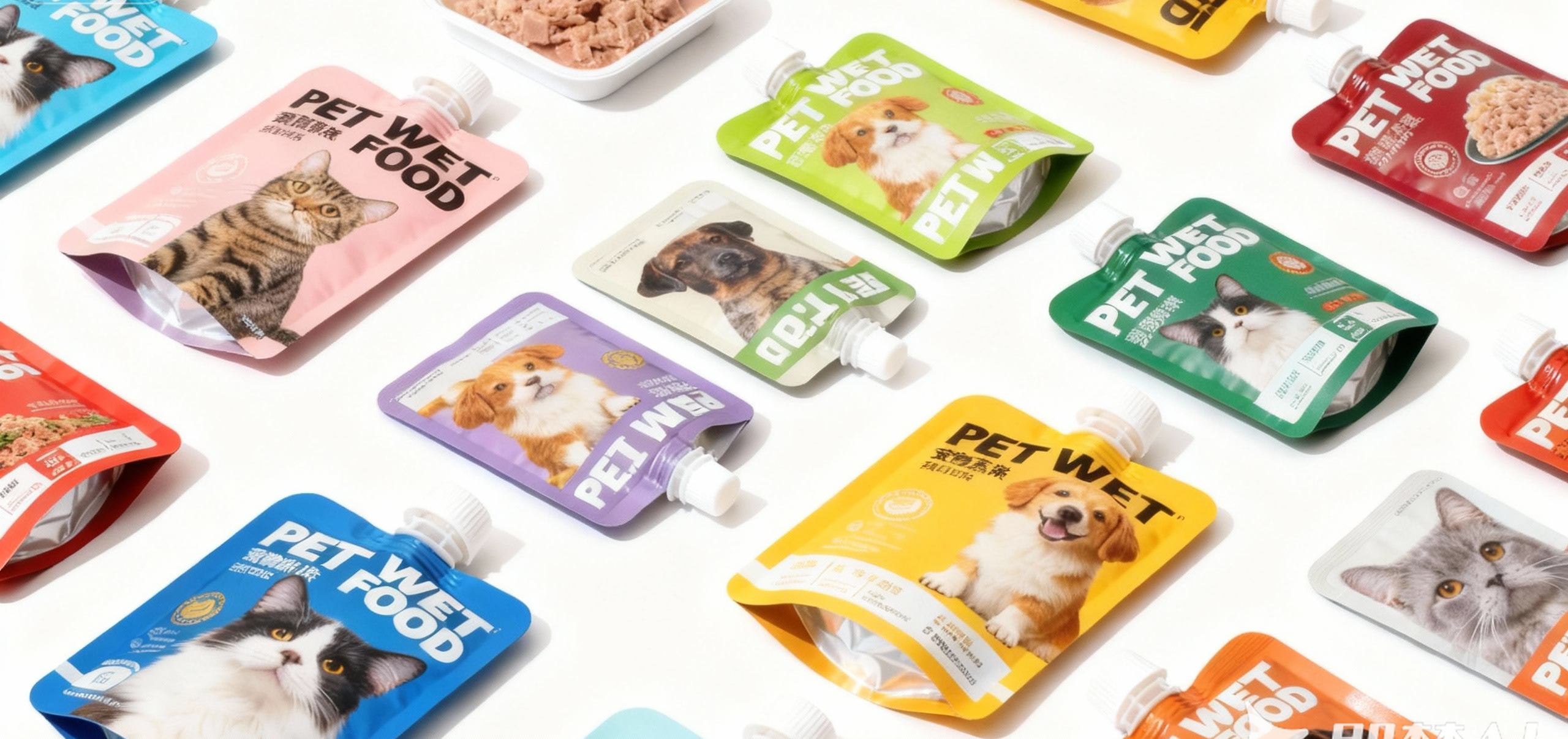
| Shelf-Stable & Ready-to-Eat Foods | Long shelf life without refrigeration | Allows food to be stored at room temperature for extended periods | Ready-to-eat rice, curry, pre-cooked meals, sauces, soups, meat, fish, seafood, baby food, wet pet food, some dairy or protein-based processed foods |
| Alternative to Cans and Glass Jars | Lightweight & transport-friendly | Reduces transportation costs compared to metal cans and glass jars | All retort-packaged foods |
| Faster heating & better taste | Heats quickly, reducing overcooking and improving flavor | Ready meals, sauces, soups | |
| Easy to open & handle, environmentally friendly | Convenient for consumers and reduces environmental impact | Consumer-friendly food packaging |
Is retort food safe to eat?
Yes, retort food is safe to eat when it is properly produced, packaged, and stored.
* Commercial Sterilization Process
Retort food is processed using high-temperature and high-pressure sterilization, typically at 121–135°C. This process effectively destroys harmful bacteria and spores, achieving commercial sterility and ensuring food safety during long-term storage at room temperature.
* Food-Grade Packaging Materials
Retort pouches are made from food-contact-safe, multi-layer laminated materials, such as PET/AL/PA/CPP or PET/EVOH/CPP. These materials comply with national and international food safety standards, making them suitable for direct food contact.
* Long Shelf Life Without Refrigeration
After proper sterilization and sealing, retort food can be stored at room temperature for 12–24 months without refrigeration. Before consumption, the food can be heated according to instructions or eaten directly, depending on the product type.

* Regulatory Compliance and Certification
Qualified retort food manufacturers typically hold certifications such as FDA, BRC, and ISO, ensuring that both production and packaging processes meet strict food safety requirements.
* Important Notes for Consumers
Before consumption, always check whether the pouch is intact, swollen, or damaged. If any abnormal condition is found, the product should not be consumed. For best safety and quality, consume the product within its shelf life.
Conclusion
As long as retort food comes from a reputable manufacturer, the packaging is undamaged, and the product is consumed within the valid shelf life, retort food is completely safe to eat.
What are the disadvantages of retort pouches?
| Disadvantage | Description |
|---|---|
| Single-use packaging | Retort pouches are generally single-use. Once opened, they cannot be resealed and are discarded after use. |
| Difficult to recycle | The multi-layer laminated structures (such as PET/AL/PA/CPP or PET/EVOH/CPP) are difficult to separate, resulting in low recycling efficiency and environmental pressure. |
| Risk of puncture or damage | Although retort pouches have certain puncture resistance, they can still be damaged by sharp objects during transportation or handling, leading to leakage or contamination. |
| Impact on food texture | High-temperature sterilization (121–135°C) may affect the texture, color, or nutritional content of some foods, especially sensitive fruits, vegetables, or dairy products. |
| High equipment requirements | Retort pouch production requires high-temperature heat sealing, lamination processes, and specialized pouch-making machines, leading to higher equipment investment and more complex production processes. |
| Summary | While retort pouches are lightweight, reduce transportation costs, and extend shelf life, their single-use nature, recycling challenges, potential impact on food quality, and high equipment investment are the main limitations. |


The shelf life of retort food is generally 12–24 months and it can be stored at room temperature without refrigeration.
Key Factors Affecting Shelf Life
The shelf life of retort food depends on several factors:
* Food type: Acidic foods, such as tomato-based products, usually have a longer shelf life, while low-acid foods may have a slightly shorter shelf life.
* Packaging materials: High-barrier, multi-layer laminated films help maintain freshness and protect food quality.
* Storage conditions: Retort food should be stored in a cool, dry place, away from direct sunlight and high temperatures.
After Opening
Once a retort pouch is opened, the food is no longer sterile. It should be consumed as soon as possible or refrigerated to ensure safety and quality.
Compliance with Food Safety Standards
Retort food that has undergone proper high-temperature sterilization meets commercial sterility standards. Therefore, unopened retort food can be safely stored at room temperature throughout the labeled shelf life without refrigeration.

How long can retort food last?
Summary
* Unopened retort food: 12–24 months at room temperature
* After opening: Consume immediately or store under refrigeration
Our Popular Products


