


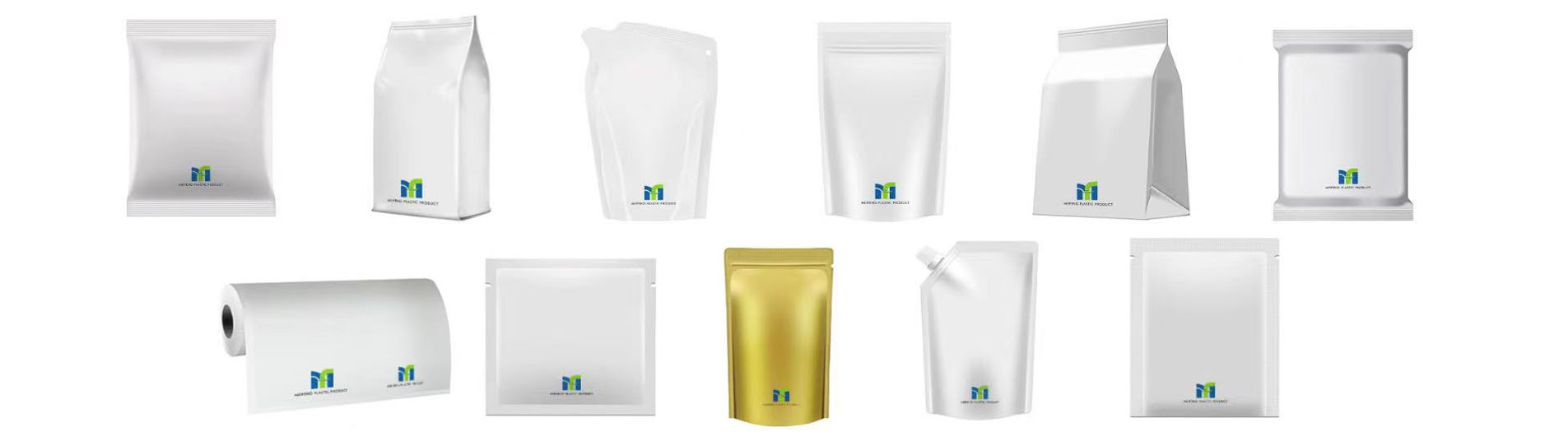
Food plastic film roll has become one of the most important materials in modern food packaging systems because it supports not only product protection but also high-speed automated production, stable supply chain performance, and consistent global export quality. As the food industry continues to expand toward convenience foods, frozen meals, snacks, and ready-to-eat products, the role of film materials has shifted from a simple packaging layer to a core part of industrial production efficiency and food safety assurance.
Unlike traditional rigid packaging, food plastic film rolls offer flexibility, scalability, and compatibility with modern packaging machines, making them a preferred choice for manufacturers who aim to improve productivity while maintaining strict hygiene and quality standards.
How Does Food Plastic Film Roll Improve Modern Food Production Efficiency?
One of the most significant advantages of food plastic film roll is its ability to integrate seamlessly into automated packaging systems, which allows factories to achieve continuous production without frequent interruptions or manual intervention.
In high-speed production environments, film rolls enable:
- Continuous feeding into automatic packaging machines
- Stable sealing performance during long production cycles
- Reduced downtime caused by packaging material replacement
- Consistent packaging size and appearance across large batches
- Higher overall production output per hour
Because of this compatibility, food manufacturers can significantly improve operational efficiency while maintaining consistent product quality.
Why Is Food Plastic Film Roll Essential for Food Safety and Shelf Life?
Food safety is one of the most critical requirements in the food industry, and packaging plays a direct role in protecting products from external contamination, moisture, oxygen, and light exposure. Food plastic film rolls are designed with specific barrier properties that help maintain freshness and extend shelf life under various storage and transportation conditions.
Key protective functions include:
- Blocking oxygen to slow down oxidation
- Preventing moisture exchange that affects texture and quality
- Reducing exposure to external contaminants
- Preserving aroma and flavor stability
- Supporting hygienic, sealed packaging environments
With proper material selection, food products can maintain stable quality from production to final consumption, even across long-distance transportation routes.
What Makes Food Plastic Film Roll So Versatile Across Food Categories?
Food plastic film roll is widely used across almost every segment of the food industry because it can be engineered with different structures to meet diverse packaging requirements. This adaptability makes it suitable for both basic and high-performance packaging applications.
Typical applications include:
- Fresh food packaging such as meat, vegetables, and seafood
- Frozen food packaging for long-term cold storage
- Snack and dry food packaging requiring strong sealing and branding
- Ready-to-eat meals designed for convenience and fast consumption
- Liquid and powder packaging such as sauces, coffee, and seasoning products
Because of this versatility, manufacturers can rely on a single material system to support multiple product categories.
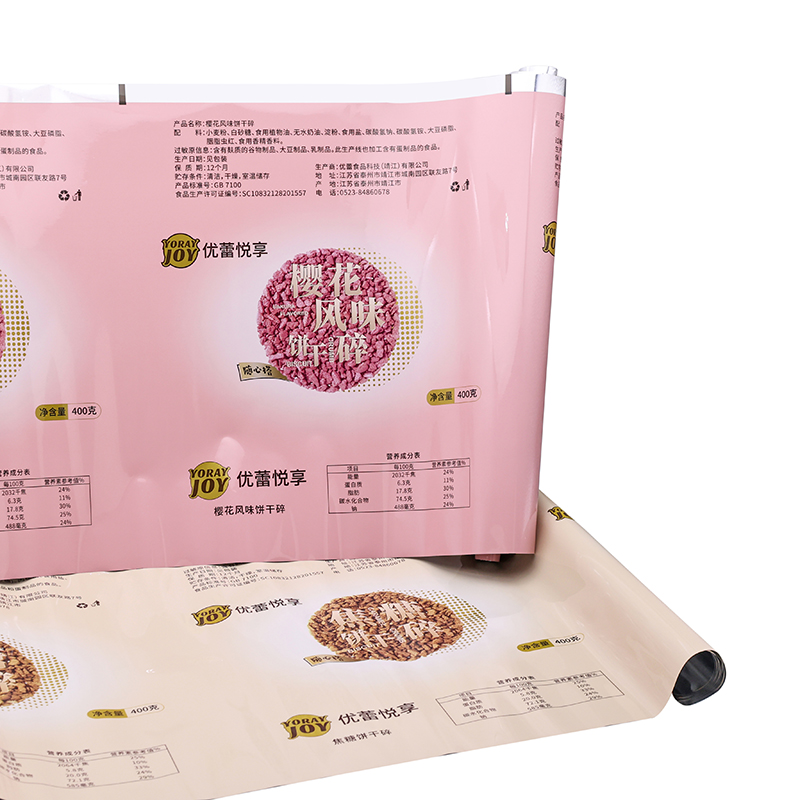
How Does It Support Global Food Export and Logistics Efficiency?
In global trade, packaging must ensure that food products remain stable during long-distance transportation, variable climates, and extended storage periods. Food plastic film rolls provide a reliable solution by offering strong barrier performance and structural stability that help maintain product integrity throughout the supply chain.
This brings several key advantages for exporters:
- Reduced dependence on cold chain logistics
- Lower transportation and storage costs
- Improved product stability in different climate conditions
- Better compliance with international food safety standards
- Enhanced shelf life consistency across global markets
As a result, food plastic film roll has become a critical material for companies expanding into international markets.
Why Do Modern Food Factories Prefer Automated Film Roll Systems?
Automation is at the core of modern food manufacturing, and food plastic film rolls are specifically designed to support high-speed automated packaging equipment. Their roll format allows uninterrupted feeding into machines, which improves consistency and reduces operational complexity.
Factories benefit from:
- Higher machine utilization rates
- Reduced labor dependency in packaging lines
- Improved production accuracy and consistency
- Faster response to large-scale orders
- Lower packaging waste during production
This makes film rolls a practical and efficient choice for industrial-scale food production systems.
How Does Material Innovation Improve Packaging Performance?
Continuous innovation in material science has significantly improved the performance of food plastic film rolls, allowing manufacturers to achieve better protection, stronger sealing, and higher efficiency.
Modern film structures can provide:
- Multi-layer barrier protection against oxygen and moisture
- Improved heat-sealing strength for high-speed machines
- Enhanced puncture resistance for transport safety
- Better transparency and printability for branding
- Customized performance for specific food types
These advancements help food companies meet both functional and marketing requirements at the same time.
Sustainability and the Future of Food Plastic Film Rolls
Sustainability is becoming a major focus in global packaging development, and food plastic film rolls are evolving to meet environmental expectations without compromising performance.
Current improvements include:
- Recyclable mono-material structures
- Reduced material thickness with maintained strength
- Lower carbon production processes
- Improved recycling compatibility
- Development of bio-based film materials
These innovations support both environmental responsibility and industrial efficiency, helping companies align with global sustainability goals.
Future Trends in Food Plastic Film Roll Technology
The future of food plastic film rolls is moving toward smarter, more efficient, and more functional packaging systems that integrate with digital and automated production environments.
Emerging trends include:
- Smart packaging with freshness monitoring indicators
- Advanced nano-barrier coating technologies
- Digital printing for flexible branding customization
- AI-based quality control in film production
- Traceability systems integrated into packaging materials
These developments will further enhance food safety, reduce waste, and improve global supply chain transparency.
FAQ
1. Why is food plastic film roll widely used in the food industry?
Because it supports automated packaging systems while providing excellent protection, shelf-life extension, and cost efficiency for large-scale production.
2. Is food plastic film roll suitable for all types of food products?
Yes, it can be customized into different structures to suit fresh food, frozen food, snacks, beverages, and ready-to-eat meals.
3. How does it help improve production efficiency?
It enables continuous machine operation, reduces downtime, and ensures consistent packaging quality across large production batches.
4. Can food plastic film rolls support international food exports?
Yes, because they provide strong barrier protection and stability during long-distance transportation and different climate conditions.
Post time: Jun-18-2026