


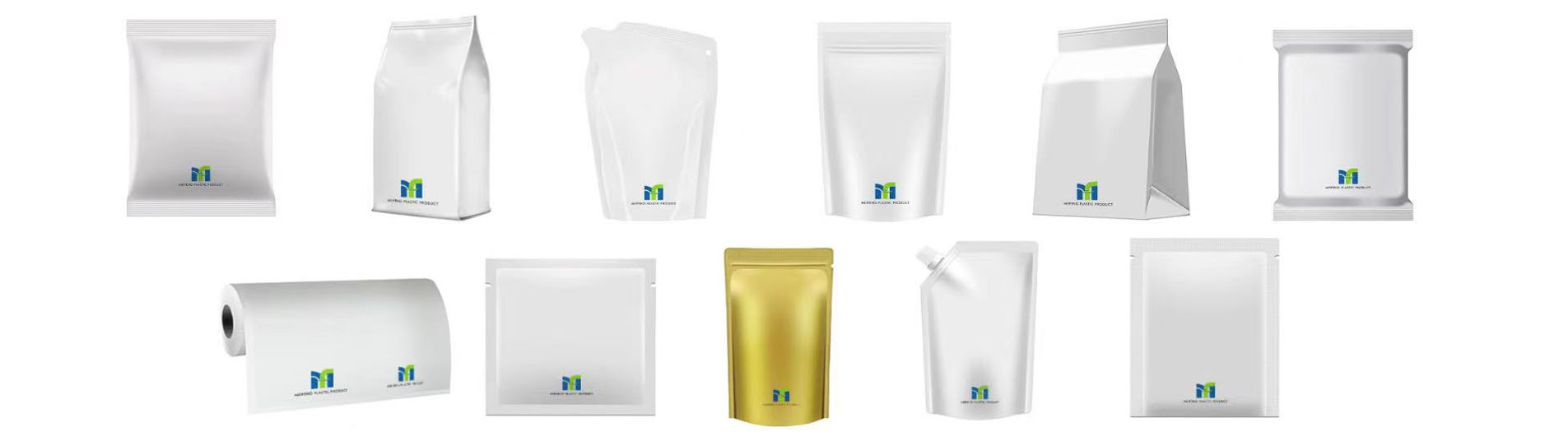
In the modern food industry, packaging plays a critical role in maintaining product quality, extending shelf life, and supporting efficient large-scale production. Among the various packaging formats available today, food packaging roll films have become a core solution due to their flexibility, compatibility with automated systems, and cost efficiency.
For food processors and packaging users, roll film solutions provide a practical balance between performance, scalability, and product protection, making them widely used across global food supply chains.
What Are Food Packaging Roll Films?
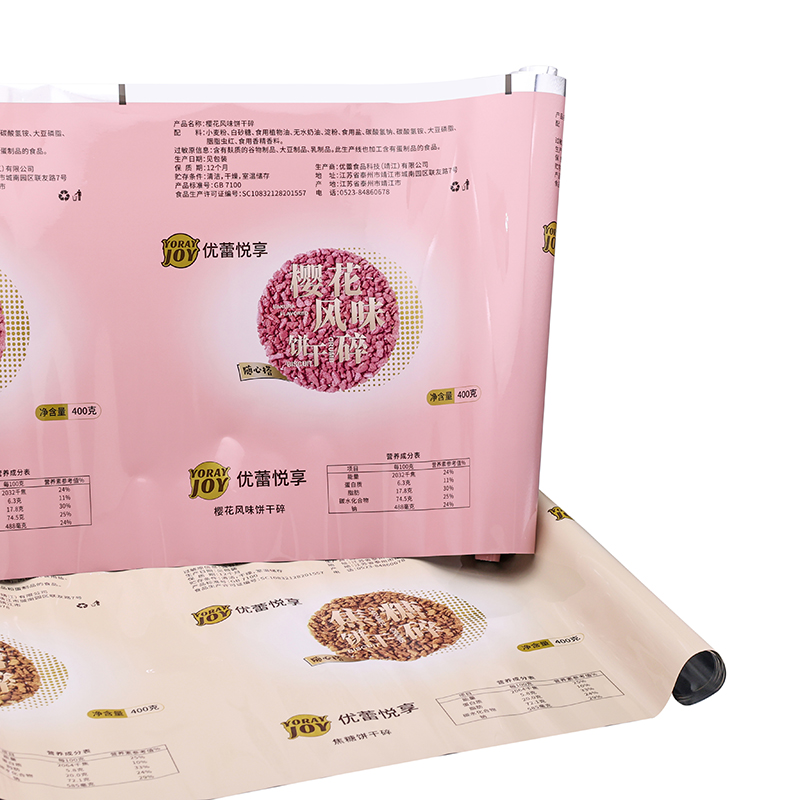
Food packaging roll films are flexible packaging materials supplied in continuous rolls and designed for use in automatic packaging machines such as vertical form-fill-seal (VFFS) and horizontal form-fill-seal (HFFS) systems. These films are used to form, fill, and seal packages in a continuous process, enabling high-speed production.
They are typically made from multi-layer laminated structures that combine different materials to achieve desired properties such as strength, sealing performance, and barrier protection.
Key Functional Advantages in Food Packaging
Food packaging roll films offer multiple operational and product-related advantages, especially in industrial-scale food production environments.
● High production efficiency supported by continuous roll feeding in automated packaging systems, reducing downtime and improving output consistency
● Excellent material utilization compared to pre-formed packaging, minimizing waste and lowering overall packaging costs
● Strong sealing performance that ensures airtight packaging, protecting food from contamination and leakage
● Flexible application across different packaging formats such as pillow bags, sachets, vacuum packs, and retort structures
● Lightweight structure that reduces transportation and storage costs across the supply chain
These advantages make roll films a preferred choice for businesses aiming to optimize packaging performance and operational efficiency.
Material Structures and Performance Characteristics
Food packaging roll films are engineered using multiple material layers, each contributing to the overall performance of the packaging.
● PET layers provide strength, dimensional stability, and heat resistance during high-speed processing
● PE layers serve as sealing layers, ensuring reliable heat sealing and compatibility with food contact requirements
● BOPP films offer high clarity and moisture resistance, suitable for retail packaging
● Nylon (PA) layers enhance puncture resistance, especially for products with sharp edges or irregular shapes
● Aluminum foil or high-barrier films protect against oxygen, moisture, and light, extending shelf life
By combining these materials, roll films can be customized to meet the specific requirements of different food products.
Applications Across Food Industries
Food packaging roll films are widely used across various food categories due to their adaptability and efficiency.
● Snack foods such as chips and nuts that require moisture and oxygen barrier protection
● Frozen foods that need flexibility and durability at low temperatures
● Meat and seafood products requiring vacuum or modified atmosphere packaging
● Dairy products that demand hygienic packaging and controlled barrier performance
● Ready-to-eat meals and sauces that may require retort-compatible film structures
This wide application range highlights the versatility of roll film packaging in modern food production.
Compatibility with Automated Packaging Systems
One of the most important advantages of food packaging roll films is their compatibility with automated packaging equipment, which is essential for large-scale operations.
● Suitable for VFFS and HFFS machines, enabling continuous packaging processes
● Stable film performance ensures consistent forming, filling, and sealing
● Adaptable to different product types including powders, liquids, and solid foods
● Supports high-speed production lines with minimal interruption
● Ensures uniform packaging quality across large production batches
This compatibility helps improve productivity and reduces operational risks in food packaging lines.
Customization and Branding Capabilities
Food packaging is not only about protection but also about product presentation. Roll films offer strong customization options to support branding and marketing.
● High-resolution printing for clear product information and brand identity
● Matte, glossy, or textured finishes for enhanced shelf appeal
● Custom roll widths and thicknesses to match specific machine requirements
● Easy-tear features and functional design elements for user convenience
● Transparent or opaque film options depending on product visibility needs
These customization options help food brands differentiate their products in competitive markets.
Shelf Life and Product Protection
One of the primary functions of food packaging roll films is to extend shelf life by protecting food from external environmental factors. Multi-layer structures create an effective barrier against oxygen, moisture, and light, which are key contributors to food spoilage.
This protection helps maintain product freshness, flavor, and nutritional value during storage and transportation, ensuring consistent product quality for end users.
Sustainability Trends in Food Packaging Roll Films
Sustainability has become an important focus in packaging development, and roll films are evolving to meet environmental expectations.
● Development of recyclable mono-material film structures
● Reduction in material thickness to decrease resource consumption
● Use of eco-friendly inks and solvent-free lamination processes
● Lightweight packaging to reduce carbon emissions in logistics
● Innovation in bio-based and compostable film materials
These trends support the transition toward more sustainable food packaging solutions.
Conclusion
Food packaging roll films are a versatile and efficient packaging solution that supports modern food production needs. Their ability to combine high performance, flexibility, and compatibility with automated systems makes them essential for large-scale food packaging operations.
As the food industry continues to demand higher efficiency and better product protection, roll film packaging will remain a key component in achieving these goals.
FAQ
1. What are food packaging roll films used for?
They are used in automated packaging systems to form, fill, and seal food products efficiently.
2. Can roll films be used for different types of food?
Yes, they can be customized for snacks, frozen foods, meat, dairy products, and ready meals.
3. Are food packaging roll films suitable for high-speed production?
Yes, they are specifically designed for compatibility with automated high-speed packaging lines.
4. How do roll films help extend shelf life?
They provide barrier protection against oxygen, moisture, and light, which helps preserve food quality.
Post time: Apr-17-2026