


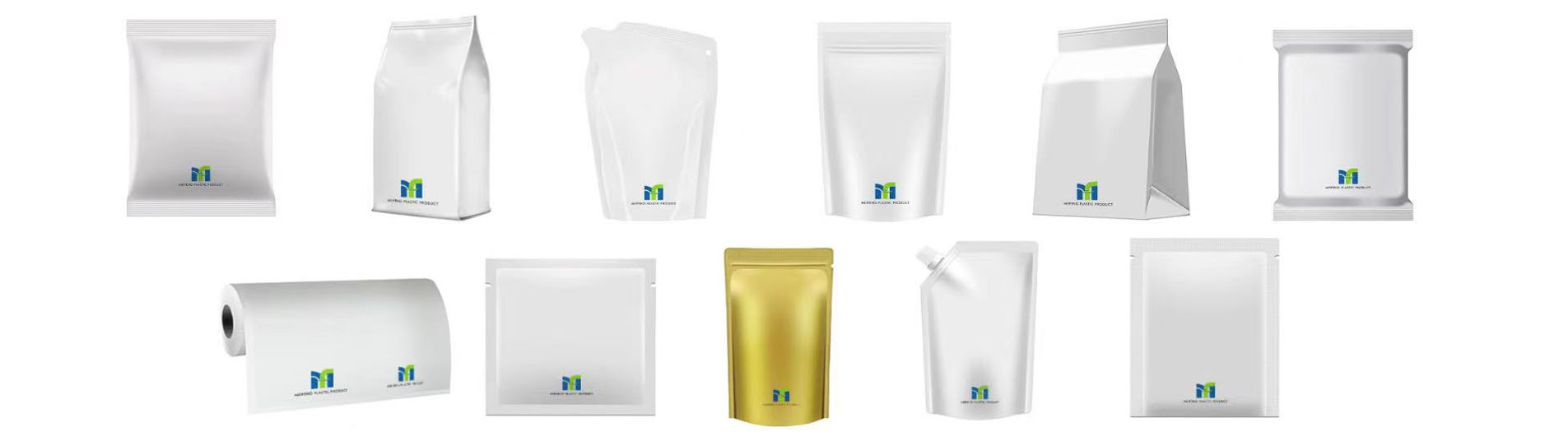
What is considered flexible packaging?
This year, our company developed innovative flexible packaging that extends the shelf life of food products.
Flexible packaging is made from soft materials such as plastic, aluminum foil, and multi-layer films, formed into bags or roll films through heat sealing or lamination. Compared with rigid packaging like glass bottles, metal cans, or cartons, flexible packaging is lightweight, adaptable, and easy to carry.
It can be custom-designed to match the product shape. By combining multiple material layers, flexible packaging offers moisture resistance, oxygen barrier, light protection, freshness preservation, and puncture resistance, significantly extending the shelf life of food or liquid products. It also saves storage and transportation space, reduces costs, and generates less packaging waste, making it more environmentally friendly.
In addition, flexible packaging supports high-quality printing, improving packaging appearance and clarity of product information, which enhances brand recognition. It is widely used in food, beverages, daily consumer goods, and pet food, and has become a key trend in modern consumer packaging.
What are the types of flexible packaging?
| Category | Type | Features | Typical Applications |
|---|---|---|---|
| By Structure | Three-side seal pouch | Sealed on three sides for a strong, secure seal | Snacks, coffee powder, dry goods |
| Four-side seal pouch / Quad sealing pouch | Sealed on four sides, neat and square | Candy, chocolate, liquid products | |
| Flat bottom / Stand-up pouch | Self-standing, large capacity for easy display | Coffee beans, nuts, pet food | |
| Side gusset pouch | Expandable sides, adjustable capacity | Powder, dried fruits | |
| Spout pouch | With spout for easy pouring or direct drinking | Juice, sauces, liquid bath products | |
| By Function | Zipper pouch | Reclosable, maintains freshness | Snacks, dry food, health supplements |
| Valve pouch | Built-in degassing valve, prevents moisture and spoilage | Coffee beans, baked goods | |
| Vacuum pouch | Vacuum-sealed, extends shelf life | Cooked food, dried fruits, meat | |
| Freezer pouch | Low-temperature resistant, tear-resistant for frozen products | Frozen food, seafood, vegetables | |
| High-temperature / Boilable pouch / Retort pouch | Heat-resistant, suitable for boiling or steam cooking | Ready meals, sauces, pre-cooked food | |
| High-barrier pouch | Blocks oxygen, moisture, and aroma for extended shelf life | Coffee, tea, spices, seasonings |
What are the advantages of flexible packaging?
| Category | Advantages / Disadvantages | Details / Features |
|---|---|---|
| Advantages of Flexible Packaging | Lightweight & Portable | Much lighter than bottles or cans, easy to carry and store. |
| Excellent Freshness & Shelf Life | Multi-layer materials provide moisture, oxygen, and light barrier, keeping food or liquids fresh longer. | |
| Attractive Appearance | Clear and vibrant printing enhances brand visibility and shelf appeal. | |
| Environmentally Friendly & Resource Efficient | Uses less material, lighter weight reduces transportation costs, and generates less waste. | |
| Convenient to Use | Can include zipper, spout, or valve features for easy pouring or consumption. | |
| Disadvantages of Flexible Packaging | Puncture-Prone | More easily pierced by sharp objects compared to glass or metal containers. |
| Easy to Deform | May be compressed or deformed under stacking or high-temperature conditions. | |
| Single-Use | Some flexible packaging is disposable, unlike rigid packaging which can be reused. | |
| Difficult to Recycle | Multi-layer laminated films require special recycling processes. | |
| Limited Load Capacity | Heavy contents may require thicker materials; otherwise, bags may tear or break. |
How is flexible packaging made?
Before producing flexible packaging, the customer needs to provide the original design files, including brand logo, graphics, and text. The production process generally includes the following steps:
1. Material Selection – Choose materials such as plastic, aluminum foil, or multi-layer films. Material selection depends on the product type and required functions, such as oxygen barrier, moisture resistance, and light protection.
2. Printing – Apply the customer’s design onto the materials using high-precision printing, ensuring clear graphics, vibrant colors, and accurate brand representation.
3. Lamination / Heat Sealing – Combine different material layers to form a multi-layer protective structure, and seal the packaging using heat sealing technology.
4. Bag Formation – Cut, fold, and weld the laminated film to create various pouch types, such as stand-up pouches, zipper pouches, and spout pouches.
5. Quality Inspection & Packaging – Inspect the seal integrity, appearance, and dimensions. Once the quality is confirmed, the flexible packaging is packed and shipped.
This process ensures that flexible packaging is visually appealing, durable, preserves product freshness, and convenient to use, making it ideal for food, beverage, and other consumer products.
Please watch the video for the detailed process.
What is the role of innovative flexible packaging?
| Category | Innovation / Feature | Details / Benefits | Examples / Applications |
|---|---|---|---|
| Material Structure Innovation | High-barrier composite films | Multi-layer or eco-friendly films improve food and liquid freshness, moisture and oxygen protection | Our new flexible packaging extends the shelf life of coffee beans, snacks, or liquids, more durable than standard materials |
| Flexible yet strong | Protects products while saving storage and transport space | Stand-up pouches, heavy-duty food bags | |
| Functional Innovation | Zipper, spout, valve, tear notch | Enhances convenience and usability | Spout pouches for direct drinking; valve pouches for coffee to release CO₂ and maintain freshness |
| Special-purpose designs | Custom features for specific needs: freezer resistant, heat-resistant, vacuum, or high-barrier pouches | Frozen food pouches, boilable ready meal bags, vacuum-sealed dried fruit bags | |
| Other Customer-Focused Innovations | Reusable packaging | Zippered pouches can be opened and closed multiple times | Snack bags, dry food pouches |
| Recyclable materials | Mono-material films such as MDOPE/PE or MDOPE/BOPE/PE for easier recycling | Coffee bags, snack pouches | |
| Custom printing | Enhances packaging appearance and brand recognition | All types of food and beverage pouches | |
| Lightweight design | Reduces transportation costs and saves storage space | Stand-up pouches, flat bottom pouches | |
| Biodegradable materials | Not recommended due to short-term brittleness affecting durability | — | |
| Summary | Overall benefits of innovative flexible packaging | Extends shelf life, improves user experience, meets consumer demands for eco-friendliness, aesthetics, convenience, and cost-efficiency, increasing market competitiveness | Coffee, snacks, beverages, liquid food, frozen food |
Our Popular Products


