



Why Do Pet Foods Lose Freshness, Smell Rancid, or Get Moist?
One of the most common consumer complaints in pet food is odor change, loss of palatability, or refusal by pets. In most cases, these issues are caused by packaging failure rather than the food formulation itself.
Typical causes include:
* Insufficient oxygen barrier, leading to fat oxidation
* Poor moisture barrier, causing caking or mold risk
* Aroma absorption or migration by inappropriate packaging materials
* Micro-leakage due to unstable sealing strength during transportation
Effective pet food packaging bags are designed based on fat content, target shelf life, and storage conditions, not only on material thickness.
Why Do Different Pet Food Products Require Different Packaging Structures?
Pet food is not a single-category product. Packaging requirements vary significantly depending on product form:
* High-fat dry food & freeze-dried pet food: extremely sensitive to oxygen exposure
* Bone-in treats and hard kibbles: require high puncture resistance and tear strength
* Wet food, gravy pouches, cat sticks: demand oil resistance, sealing stability, and leak prevention
This is why “one universal packaging solution” rarely works in pet food applications. Packaging material structure must be matched to product characteristics.


What Does “High Barrier Packaging” Actually Mean in Pet Food Packaging?
In pet food packaging, barrier performance involves more than blocking air.
High barrier pet food packaging bags and films are designed to control:
* Oxygen transmission (to prevent oxidation)
* Moisture vapor transmission (to avoid humidity damage)
* Odor migration (external contamination)
* Aroma retention (keeping palatability)
Different barrier layers such as PA (Nylon), VMPET, or Aluminum Foil (AL) perform differently in terms of barrier stability, cost, and long-term reliability.
Pet Food Packaging Bags vs. Packaging Roll Film: Which Is Better?

| Packaging Type | Suitable Scenarios | Key Advantages |
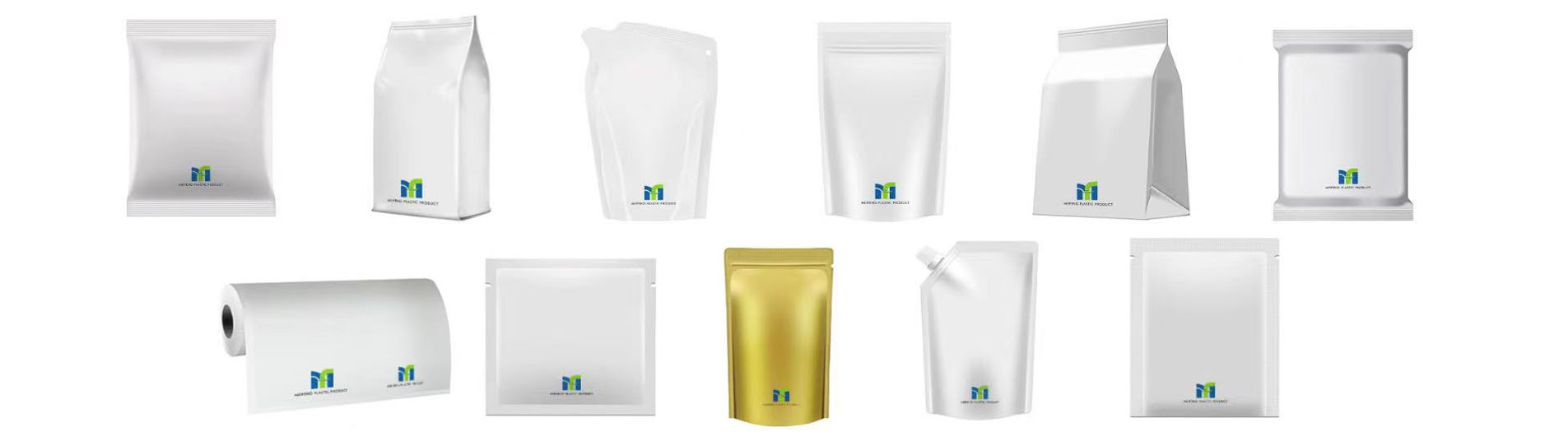
| Pre-made Packaging Bags (stand-up pouches, flat bottom bags, zipper bags) | Multiple SKUs, e-commerce, premium products | High flexibility, finished appearance |
| Packaging Roll Film (form-fill-seal film) | Automated packing lines, large volume production | Lower unit cost, stable output |

Can Printing Affect Safety and Stability of Pet Food Packaging?
Yes. Printing methods and ink systems directly affect food safety and long-term stability.
Key considerations include:
* Ink migration risk
* Layer separation between printing layer and food-contact layer
* Color stability during long-term storage
Professional pet food packaging typically adopts external printing with internal food-grade layers, ensuring both brand presentation and product safety.
Why Custom Pet Food Packaging Is More Reliable Than Stock Bags
Many packaging failures appear after repeated use, not at first opening:
* Zipper failure after multiple openings
* Loss of stiffness and sealing performance
* Gradual aroma loss during storage
Stock packaging bags cannot fully address these risks. Custom packaging aligns material structure with the actual product lifecycle, not just appearance.

How We Design Pet Food Packaging Structures (Methodology, Not Formulas)
Professional pet food packaging is not about offering a “standard solution”. It is a risk-driven design process.
We first evaluate:
* Product type (dry food, freeze-dried, treats, wet food)
* Fat content and particle hardness
* Heat treatment, retort, or cold-chain requirements
Not every product needs the highest barrier level.
We balance:
* Shelf life requirements
* Distribution channels
* Cost-performance efficiency
Over-design increases cost, while under-design leads to irreversible complaints.
Packaging must perform during:
* Filling
* Transportation
* Storage
* Repeated opening by end users
Puncture resistance, zipper compatibility, sealing window, and thickness consistency are evaluated together.
For brands with multiple SKUs:
* Premium or test products: pre-made packaging bags
* High-volume core products: packaging roll film
This hybrid approach offers both flexibility and long-term cost control.
A Practical Conclusion for B2B Buyers
Pet food packaging is not an accessory cost. It is a critical component of quality control, brand credibility, and repeat purchase behavior.
Before selecting packaging bags or roll film, it is more effective to clarify product risk factors and target shelf life than to start from unit price alone.
Only then does a packaging solution truly make sense.