


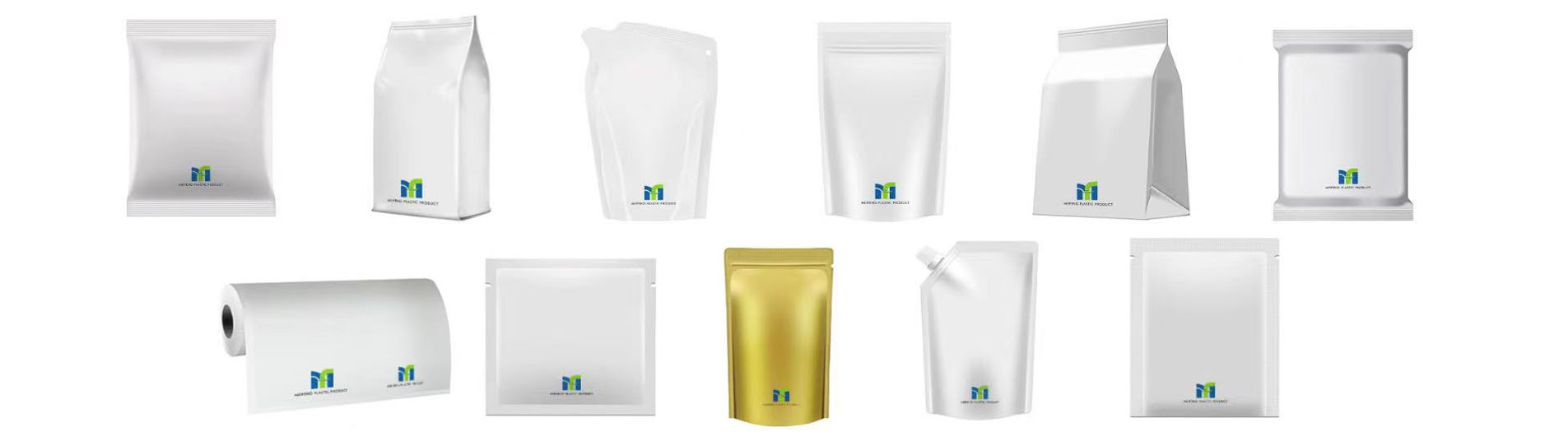
Powder Food Packaging Bags are suitable for milk powder, protein powder, coffee powder, seasoning powder, nutritional powder, baking ingredients, instant drink mixes, and other fine or granular food products. Compared with solid foods and ordinary snacks, powdered foods are more likely to absorb moisture, release or lose aroma, contain fine particles, and require repeated opening after purchase. Their packaging therefore needs more stable sealing and barrier performance.
Fine powder can easily adhere to the inner surface near the bag opening. Some particles may also enter the sealing area and prevent the inner layers from bonding completely. Moisture-sensitive powders may clump, lose flowability, or change texture during storage. Powders containing oil, aromatic ingredients, or sensitive nutrients may also experience changes in flavor or quality when exposed to oxygen, light, or external odors.
For these reasons, selecting powder food packaging bags involves more than considering size and appearance. The barrier structure, heat-seal layer, bag format, and closure design should all be matched to the characteristics of the product.
Why Do Powdered Foods Require More Reliable Sealing?
Powder particles are small and can easily adhere to the inner surface of a packaging bag, particularly around the opening. If powder remains in the sealing area, the two inner heat-seal layers may not form a continuous and even bond.
This problem does not always create an obvious opening. The package may appear fully sealed from the outside while tiny channels remain inside the seal. Over time, air and moisture may gradually enter through these weak points.
Different powders affect the sealing area in different ways. Fine seasoning powder, milk powder, and protein powder are more likely to adhere around the bag opening. Coarser particles may place greater pressure on the bottom and side seals. Powders containing oil may also require better compatibility between the product, inner sealing layer, and laminated structure.
Seal reliability therefore depends not only on bag thickness but also on the inner material, seal width, and overall laminated construction.
Powder Characteristics Determine the Main Packaging Priorities
Two powdered products that look similar may require completely different packaging structures. The first step is to identify which external factors are most likely to affect the product.
Moisture-Sensitive Powders
Milk powder, flour, instant drink mixes, baking ingredients, and some nutritional powders can absorb moisture from the surrounding environment. Once moisture enters the package, the product may clump, lose flowability, or become more difficult to dissolve.
These products require packaging with good water-vapor barrier performance and seals that remain intact throughout storage.
Oxidation-Sensitive Powders
Protein powder, nutritional powder, coffee powder, and powders containing vegetable oil, fish oil, or other fats may be affected by oxygen. Oxidation can lead to aroma loss, color changes, altered taste, or reduced nutrient stability.
For these products, oxygen barrier performance is more important than simply increasing the thickness of the bag.
Light-Sensitive Powders
Some vitamins, pigments, flavoring ingredients, and nutritional formulations are sensitive to light. Transparent packaging provides direct product visibility, but it may not offer sufficient protection for powders that require long-term storage away from light.
Aluminum foil and other opaque laminated structures can reduce light exposure and are more suitable for products with higher light-barrier requirements.
Strongly Aromatic Powders
Coffee powder, spices, seasoning blends, and flavored drink powders often have noticeable aromas. The packaging should help retain the intended aroma while limiting the entry of external odors.
In this case, barrier performance affects not only shelf life but also the aroma experienced when the package is first opened.
Why Are Aluminium Foil Food Packaging Bags Suitable for Sensitive Powders?
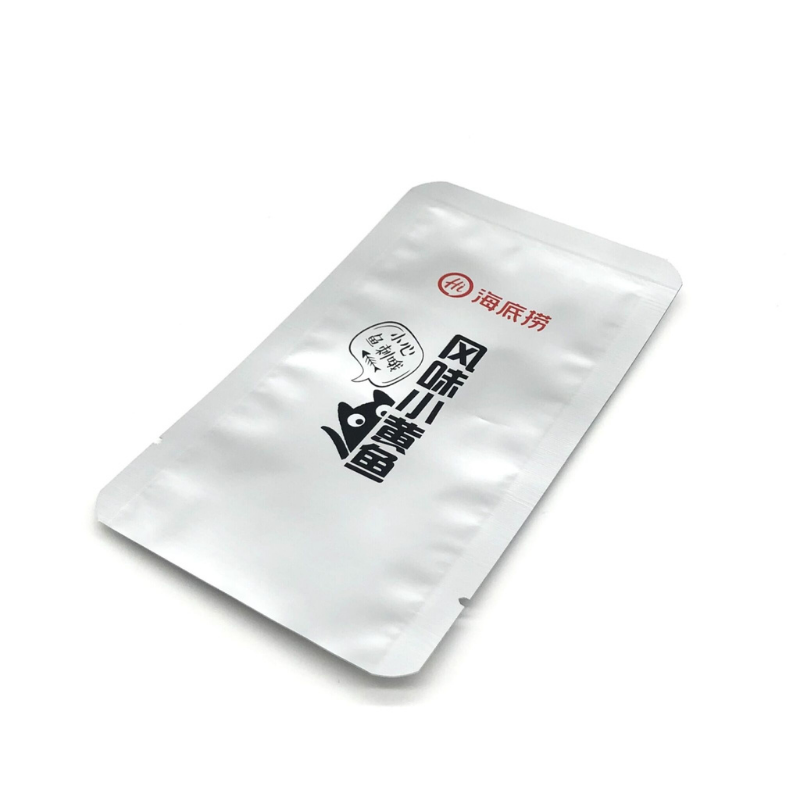
Aluminium Foil Food Packaging Bags are a common high-barrier solution for powdered foods. Aluminum foil can effectively block moisture, oxygen, light, and external odors, making it suitable for milk powder, protein powder, coffee powder, nutritional blends, seasoning powder, and other sensitive dry foods.
A typical aluminum foil laminated bag consists of several functional layers:
- An outer layer that supports printing and mechanical strength
- A middle aluminum foil layer that provides oxygen, moisture, and light barriers
- An inner heat-seal layer that creates a stable seal and comes into direct contact with the food
The exact structure should be adjusted according to product sensitivity, required shelf life, bag format, and storage conditions.
Aluminum foil is especially suitable for powders that need a longer storage period or contain ingredients sensitive to oxygen, moisture, or light. However, foil structures completely block the view of the product inside, so they may not be suitable where direct product visibility is important.
For products that need to balance presentation with protection, a high-barrier laminated film with a small transparent window may be considered. The size and position of the window should still reflect the product’s actual light-protection requirements.
Stand Up Pouches for Powdered Foods Used Repeatedly
Stand up pouches are commonly used for protein powder, coffee powder, nutritional powder, seasoning powder, and instant drink mixes. The bottom gusset allows the pouch to stand independently, supporting shelf presentation and convenient home storage.
A zipper allows the package to be closed repeatedly after the first opening, reducing prolonged exposure of the remaining product to air and moisture. A complete heat-sealed section is normally retained above the zipper to protect the product before it is opened for the first time.
Stand up pouches also offer generous front and back printing areas for product names, ingredients, preparation instructions, nutritional information, and storage guidance.
For powdered foods that require a balance of appearance, repeated use, and barrier protection, stand up pouches offer a flexible solution.
Three-Side Seal Bags for Small and Single-Use Portions
Three-side seal bags have a flat structure and are suitable for small powder packs, samples, single-use seasoning portions, instant drink mixes, and baking ingredients.
Three sides of the bag are already sealed, creating a simple structure that uses the available packaging area efficiently. An easy-tear notch can be added for products that do not require resealing.
For small powder portions with high barrier requirements, three-side seal bags can also use aluminum foil laminated materials to combine compact packaging with moisture, oxygen, and light protection.
Flat Bottom Bags for Larger and Premium Powder Products
Flat bottom bags have a stable base and a more structured appearance. They are suitable for larger packs of nutritional powder, protein powder, coffee powder, and premium instant food products.
This format normally includes front, back, and side panels, providing more space for brand messaging and product information. Its stable standing shape also helps create a cleaner and more organized shelf display.
For larger powder packs, the bag structure should balance weight capacity, bottom stability, seal strength, and convenience during repeated use. Zippers, handles, or easy-opening features can be added according to the intended application.
How Should Transparent and Opaque Packaging Be Selected?
A transparent window can make a package more visually informative, but large transparent areas are not suitable for every powdered food.
Products with visually attractive colors, particle sizes, or textures—and that are not highly sensitive to light—may use a small transparent window. Some baking powders, coarse seasoning blends, and visually distinctive nutritional products can use windows to improve product recognition.
For coffee powder, milk powder, protein powder, and products containing sensitive nutritional ingredients, protection from light is usually more important. Aluminum foil or opaque high-barrier structures are more suitable for extended storage.
The balance between transparent presentation and barrier performance should be based on the characteristics of the product rather than appearance alone.
What Practical Performance Should Powder Food Packaging Bags Provide?
Material specifications should be supported by actual storage and usage performance. Several areas are particularly important for powdered food packaging.
Seal Integrity
The top, side, and bottom seals should be checked for smoothness, continuity, wrinkles, interruptions, or visibly weak areas.
Moisture Protection
Under the expected storage conditions, the product should be monitored for clumping, sticking, or changes in flowability.
Oxygen and Aroma Protection
For coffee powder, seasoning blends, and oil-containing nutritional powders, changes in aroma, color, and flavor during storage should be considered.
Compression and Drop Resistance
The bag body, bottom gusset, and seals should remain intact after the pressure and impact that may occur during storage and transportation.
Zipper Performance
Resealable packages should have zippers that align easily, close smoothly, and remain functional after repeated use.
Surface and Printing Stability
For powders containing oil or products stored for longer periods, the package surface should be checked for oil staining, delamination, wrinkling, or changes in printed appearance.
Custom Packaging Solutions for Powdered Food Products
Powder food packaging bags can be designed with different structures according to product sensitivity, package size, storage period, and usage method. Aluminum foil bags are suitable for products sensitive to moisture, oxygen, and light. Stand up pouches are suitable for powdered products that require repeated use and shelf display. Three-side seal bags work well for small portions and single-use products, while flat bottom bags are suitable for larger or more premium packaging formats.
Customization options can include material structure, thickness, barrier level, inner heat-seal material, bag dimensions, zipper, easy-tear notch, transparent window, matte or glossy surface, and printed design.
A suitable powder food packaging bag is not simply the thickest option or the one with the highest possible barrier level. It should achieve a practical balance between sealing performance, product protection, structural stability, and convenience during everyday use.
FAQ
1. Which products are suitable for Powder Food Packaging Bags?
Powder Food Packaging Bags are suitable for milk powder, protein powder, coffee powder, seasoning powder, flour, baking ingredients, instant drink mixes, nutritional powders, and other fine or granular food products.
2. Why is aluminum foil often used for powdered food packaging?
Aluminum foil provides strong protection against moisture, oxygen, light, and odors. It is suitable for powdered foods that require a longer shelf life or are sensitive to storage conditions.
3. Does a thicker bag always provide better moisture protection?
No. Moisture protection mainly depends on the water-vapor barrier performance of the material and the laminated structure. Greater thickness can improve strength, but it cannot replace an effective high-barrier layer.
4. Which bag format is suitable for powdered foods?
Stand up pouches are suitable for resealable retail packs, three-side seal bags work well for small or single-use portions, flat bottom bags are suitable for larger and premium products, and aluminum foil laminated bags are suitable for powders requiring strong moisture, oxygen, and light protection.
Post time: Jul-30-2026