


As global demand for ready-to-eat food, shelf-stable meals, and convenient packaging continues to grow, retort pouch food bag manufacturing has become an important segment in the flexible packaging industry. Food manufacturers are increasingly choosing retort pouches because they combine high-temperature resistance, strong barrier protection, lightweight transportation, and efficient storage advantages.
Compared with traditional metal cans and glass containers, retort food bags provide a more flexible and cost-effective packaging solution while maintaining food safety and long shelf life. For B2B food processors, private-label brands, and packaging distributors, understanding retort pouch manufacturing is essential for improving product performance and market competitiveness.
What Is a Retort Pouch Food Bag?
A retort pouch food bag is a heat-resistant flexible package designed to withstand thermal sterilization processes. During production, packaged food is sealed inside the pouch and then sterilized under high temperature and pressure, allowing the product to remain shelf-stable without refrigeration.
Retort pouches are commonly used for:
● Ready-to-eat meals
● Curry and soup packaging
● Seafood products
● Meat products
● Baby food
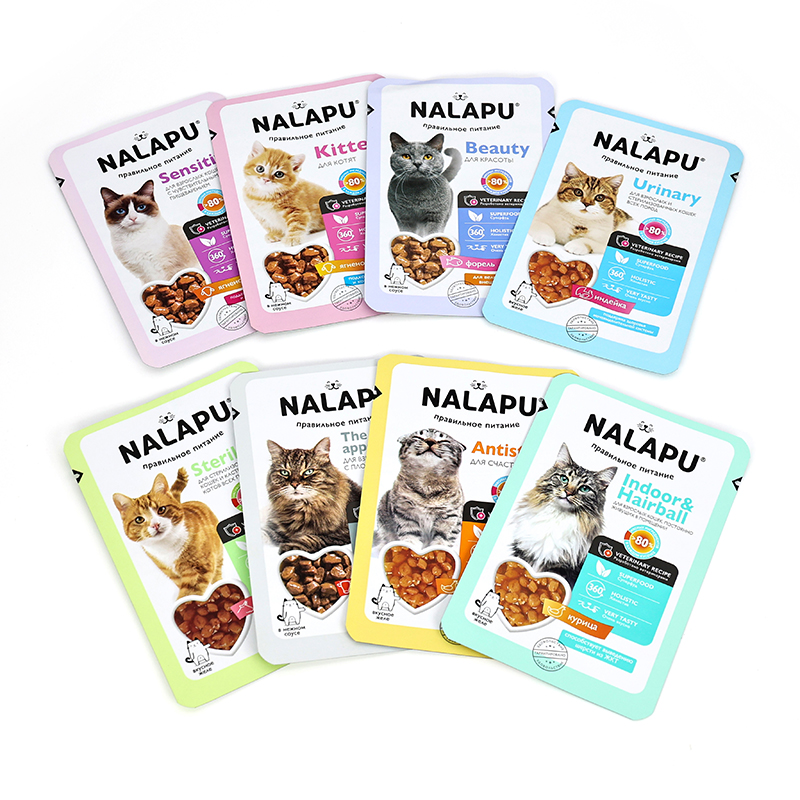
● Wet pet food
● Sauce and condiment packaging
These pouches help maintain food freshness, flavor, and nutritional value while ensuring microbiological safety.
Why Retort Packaging Is Replacing Traditional Containers
Traditional packaging methods such as cans and glass jars still exist in the food market, but retort pouch packaging is growing rapidly because it offers operational and commercial advantages.
Lightweight Packaging Improves Logistics Efficiency
Retort pouches weigh significantly less than metal cans or glass containers. This helps reduce transportation costs, fuel consumption, and storage expenses.
For exporters and global food suppliers, lightweight packaging improves shipping efficiency and lowers overall logistics costs.
Faster Heat Transfer During Sterilization
The thin flexible structure of retort pouches allows heat to penetrate faster during sterilization. This reduces processing time and improves production efficiency.
Faster thermal processing can also help preserve food texture, taste, and color better than traditional rigid containers.
Better Shelf Space Utilization
Flexible pouches occupy less space during transportation and storage. Their compact structure improves pallet efficiency and warehouse management.
This is particularly important for high-volume food production and retail distribution systems.
Core Manufacturing Process of Retort Food Bags
Retort pouch manufacturing involves multiple precision production stages to ensure durability, sealing performance, and food safety.
Material Lamination and Structure Design
Retort pouches are usually manufactured using multi-layer laminated materials. Each layer serves a specific function within the packaging structure.
Common material layers include:
● PET layer for printing strength and heat resistance
● Aluminum foil layer for oxygen and moisture barrier protection
● Nylon layer for puncture resistance
● CPP or RCPP sealing layer for high-temperature sealing performance
These layers are bonded together using specialized lamination technologies to create a durable high-barrier packaging material.
Printing and Branding
Modern retort pouch manufacturing supports high-quality printing for food branding and product communication.
Manufacturers can apply:
● Rotogravure printing
● Matte or glossy finishes
● Metallic effects
● Transparent windows
● High-definition graphics
Strong visual packaging design helps food brands improve shelf appeal and customer recognition.
Pouch Forming and Sealing
After lamination and printing, the film is converted into pouch formats through automated bag-making equipment.
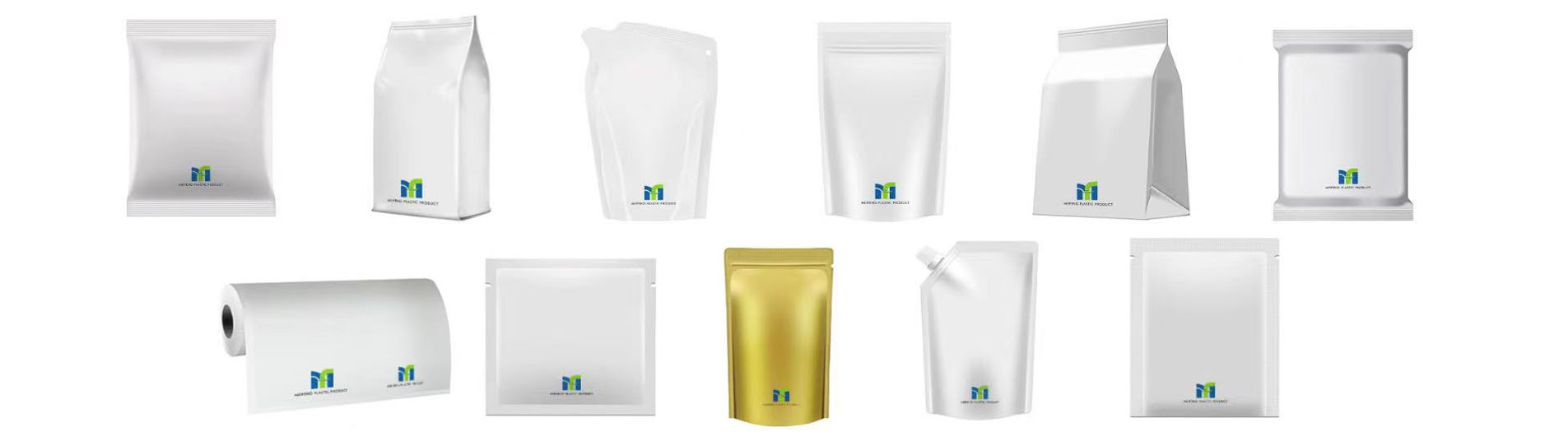
Common retort pouch types include:
● Three-side seal pouches
● Stand up retort pouches
● Spouted retort pouches
● Flat bottom retort bags
Accurate sealing performance is critical because the pouch must survive both filling and sterilization without leakage.
Sterilization Compatibility Testing
Before large-scale production, retort pouches must undergo strict quality testing.
Typical tests include:
● High-temperature resistance testing
● Seal strength testing
● Burst pressure testing
● Puncture resistance testing
● Migration and food safety testing
These tests ensure that the pouch can maintain integrity during thermal processing and long-term storage.
Industries Driving Retort Pouch Demand
The demand for retort pouch food bag manufacturing is increasing across multiple industries due to changing consumer lifestyles and global food distribution trends.
Ready-to-Eat Food Industry
The convenience food market is one of the largest users of retort packaging.
Consumers increasingly prefer:
● Instant meals
● Microwave-ready food
● Travel food products
● Emergency food supplies
Retort pouches help manufacturers meet these demands while maintaining long shelf life.
Pet Food Packaging
Wet pet food packaging requires strong barrier protection and sterilization capability. Retort pouches provide a lightweight alternative to metal cans while improving packaging convenience.
Many premium pet food brands are now shifting toward stand up retort pouches with resealable functions.
Military and Outdoor Food Supply
Retort food packaging is widely used in military rations, camping meals, and emergency food systems because of its portability and durability.
Its lightweight structure makes it easier to transport large quantities of shelf-stable food products.
Sustainability Trends in Retort Pouch Manufacturing
Environmental concerns are pushing the flexible packaging industry toward more sustainable retort pouch solutions.
Current development directions include:
● Reduced material thickness
● Recyclable mono-material retort structures
● Eco-friendly adhesive systems
● Lower carbon transportation footprint
● Improved production energy efficiency
Although retort packaging still faces recycling challenges due to multi-layer structures, technological innovation is helping improve sustainability performance.
Conclusion
Retort pouch food bag manufacturing plays a vital role in modern food packaging by combining food safety, long shelf life, production efficiency, and transportation advantages. As global demand for convenient and shelf-stable food products continues to increase, retort pouch technology will remain a key solution for food manufacturers across multiple industries.
With ongoing improvements in material technology, printing quality, and sustainability, retort pouches are expected to become even more important in the future of flexible food packaging.
FAQ
1. What foods are suitable for retort pouch packaging?
Retort pouches are commonly used for ready meals, soups, sauces, seafood, meat products, baby food, and wet pet food.
2. Can retort pouches replace metal cans?
Yes. In many applications, retort pouches provide similar shelf-life performance with lower weight and better transportation efficiency.
3. What temperature can retort pouches withstand?
Most retort pouches are designed to withstand sterilization temperatures between 115°C and 135°C.
4. Why are retort pouches popular in food exports?
Their lightweight structure, compact storage, and long shelf life make them highly suitable for international food transportation and distribution.
Post time: May-12-2026