


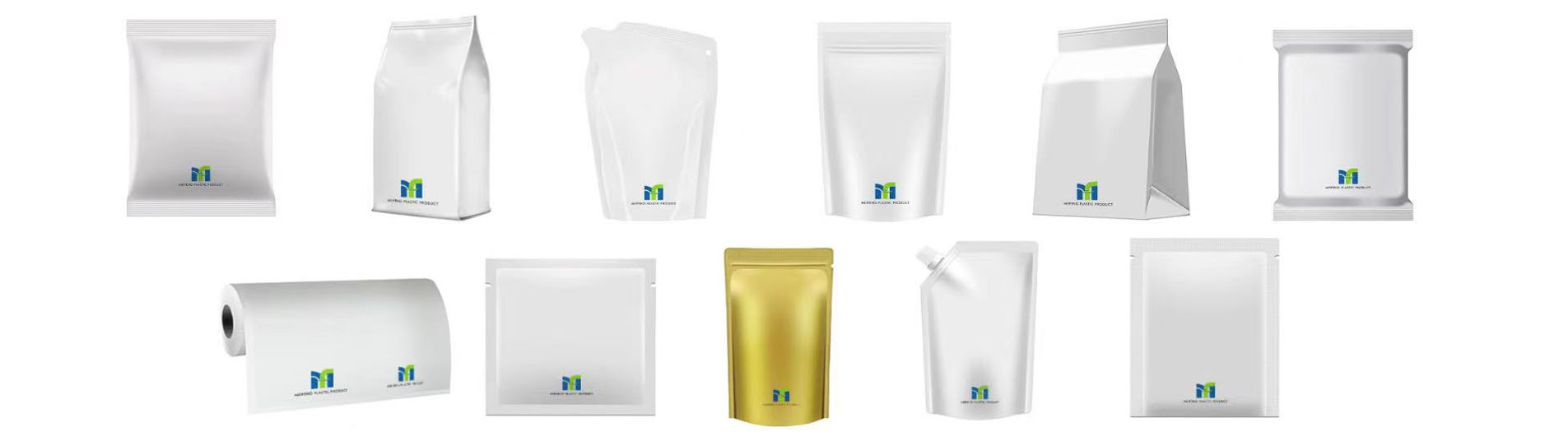
Retort Packaging Material is a specialized food packaging solution designed for products that require high-temperature sterilization after filling and sealing. It is widely used for ready-to-eat meals, sauces, soups, cooked rice, meat products, seafood, baby food, and pet food. Unlike regular food packaging materials, retort packaging materials must maintain their structure, sealing strength, and barrier performance during high-temperature and high-pressure processing.
For many food manufacturers, choosing the right packaging material is not only about appearance or cost. The packaging must match the product characteristics, sterilization process, storage environment, and expected shelf life. Selecting unsuitable material may lead to problems such as package leakage, layer separation, poor sealing performance, or reduced food quality.
Understanding the difference between Retort Packaging Material and regular food packaging material helps buyers select a safer and more reliable packaging solution.
What Is Retort Packaging Material?
Retort Packaging Material is a multi-layer flexible packaging structure designed for food products that undergo thermal sterilization. After the food is filled and sealed inside the package, the entire package is heated under controlled temperature and pressure conditions to eliminate microorganisms and improve shelf stability.
Because the package must survive this process, retort materials require higher performance compared with ordinary food packaging. They need to maintain flexibility, sealing ability, and protective properties even after exposure to heat.
Common retort packaging structures include combinations of:
- PET for printing quality and outer strength
- Aluminum foil for oxygen, moisture, and light protection
- PA (Nylon) for toughness and puncture resistance
- CPP or PE for heat sealing
The exact structure depends on the food product, sterilization conditions, and packaging format.
Retort Packaging Material vs Regular Food Packaging Material
Although both types are used for food protection, they are designed for different applications.
| Comparison | Retort Packaging Material | Regular Food Packaging Material |
|---|---|---|
| Main Application | Ready meals, sauces, meat, seafood, pet food | Snacks, dry food, general food products |
| Temperature Resistance | Designed for high-temperature sterilization | Designed for normal storage conditions |
| Material Structure | Multi-layer high-performance structure | Selected according to general product needs |
| Barrier Requirement | High barrier against oxygen, moisture, and light | Depends on product type |
| Sealing Performance | Must remain stable after heat treatment | Mainly requires normal heat sealing |
| Processing Requirement | Needs compatibility with retort equipment | Suitable for standard packaging processes |
The main difference is that retort packaging materials are designed to withstand sterilization conditions, while regular food packaging materials are mainly designed for protection during storage and transportation.
Why Can’t Regular Food Packaging Replace Retort Packaging Material?
Some buyers may think that any sealed food package can be used for sterilized products. However, this is not always true.
During retort processing, the package experiences high temperatures and pressure. Regular food packaging materials may not have enough heat resistance or structural stability, which can cause problems after sterilization.
Possible issues include:
- Delamination between material layers
- Reduced sealing strength
- Package deformation
- Leakage after processing
- Shorter product shelf life
For products such as ready meals, sauces, meat products, and seafood, packaging performance directly affects food safety and storage stability. Therefore, retort packaging material should be selected according to the actual sterilization process.
Key Advantages of Retort Packaging Material
One of the biggest advantages of Retort Packaging Material is its excellent heat resistance. The material can maintain its physical properties during high-temperature sterilization, helping the package remain stable after processing.
Another important advantage is high barrier protection. Many retort foods contain oil, protein, sauce, or sensitive ingredients that can be affected by oxygen, moisture, and light. High-barrier structures help protect flavor, color, and product quality during long-term storage.
Retort materials also provide reliable sealing performance. Since the package must remain sealed after sterilization, the heat-sealing layer needs to maintain strength and prevent leakage.
Main advantages include:
- High-temperature resistance
- Strong oxygen and moisture barrier
- Stable sealing performance
- Good puncture resistance
- Longer shelf life support
- Suitable for sterilized food products
Aluminum Foil Retort Material vs Transparent Retort Material
When selecting Retort Packaging Material, many brands compare aluminum foil structures with transparent retort structures.
Aluminum foil retort materials are widely used because they provide excellent protection against oxygen, moisture, and light. They are suitable for products that require long shelf life and strong protection, such as ready meals, sauces, seafood, and meat products.
Transparent retort materials are selected when brands want consumers to see the product inside. They can improve product visibility and are suitable for applications where appearance is important. However, transparent structures usually require specially designed barrier films to achieve the required protection.
The choice depends on several factors, including:
- Product sensitivity
- Required shelf life
- Storage conditions
- Heating method
- Brand positioning
How to Choose the Right Retort Packaging Material?
Choosing the correct retort packaging material requires considering multiple factors rather than focusing on only one performance feature.
First, buyers should consider the food product itself. Different foods have different requirements for oxygen protection, moisture resistance, oil resistance, and sealing strength.
Second, the sterilization process must be evaluated. Important factors include sterilization temperature, processing time, and pressure conditions. Materials should be tested under the actual production process before mass manufacturing.
Third, the packaging format should be considered. Different formats require different material performance.
Common retort packaging formats include:
- Retort pouches
- Stand-up retort pouches
- Aluminum foil retort bags
- Retort roll films
- Retort lidding films
The best material structure is the one that matches the food product, production equipment, and market requirements.
Retort Packaging Material Solutions for Different Food Applications
Different industries require different retort packaging solutions.
For ready meals, packaging needs strong heat resistance and reliable sealing because products are often sterilized after filling.
For sauces and liquid foods, leakage prevention and sealing stability are especially important.
For meat and seafood products, puncture resistance and barrier performance help protect product quality during storage and transportation.
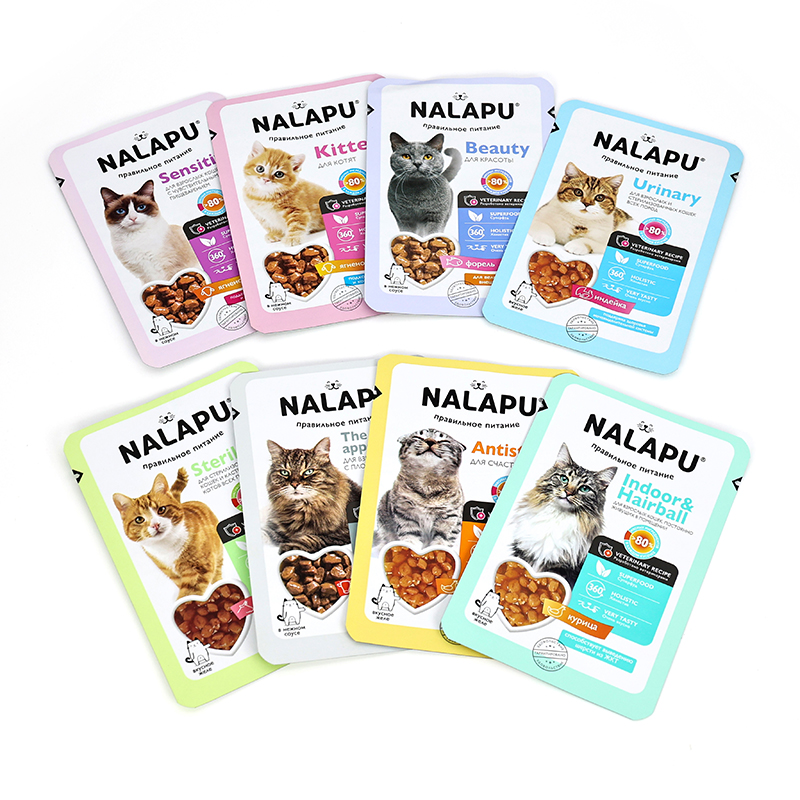
For pet food applications, stronger structures and customized sizes are often required because of larger filling weights.
Our Retort Packaging Material solutions can be customized according to different applications, including:
- Material structure selection
- Aluminum foil or transparent barrier options
- Customized thickness
- Roll film and pouch formats
- Printing design
- Sealing layer adjustment
- Different barrier levels
By selecting the right structure, brands can achieve reliable sterilization performance, longer shelf life, and stable product quality.
FAQ
1. What is the difference between Retort Packaging Material and regular food packaging material?
Retort Packaging Material is designed to withstand high-temperature sterilization, while regular food packaging material is mainly used for normal storage and transportation.
2. Can regular food packaging bags be used for retort sterilization?
No. Regular packaging materials may not have enough heat resistance and sealing stability, which can cause leakage, deformation, or material separation during sterilization.
3. Which material is best for retort packaging?
The best material depends on the product and sterilization conditions. Common structures include PET, aluminum foil, PA, CPP, and PE combinations.
4. How do I choose the right Retort Packaging Material?
Consider the food type, sterilization temperature, shelf life requirement, packaging format, storage environment, and production process before selecting the material structure.
Post time: Jul-16-2026