


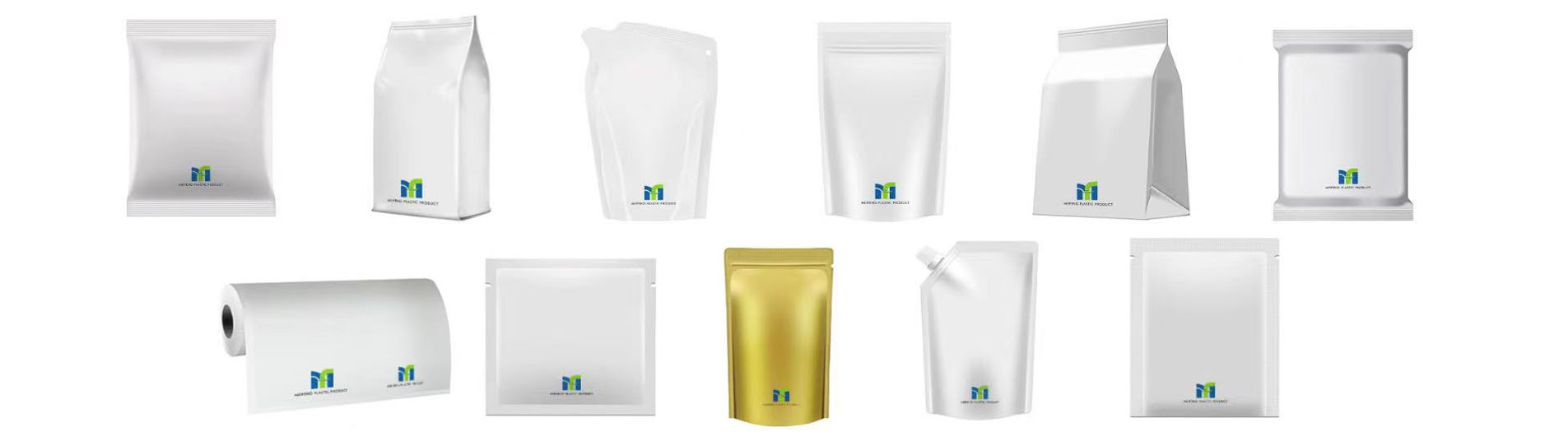
Heat Seal Food Packaging Bags are food packaging bags that are sealed by heat and pressure after the product is filled. They are widely used for snacks, coffee, tea, frozen food, powder products, pet food, dried fruit, nuts, meat products, sauces, and many other packaged foods. Compared with simple fold-over or adhesive sealing methods, heat sealing creates a stronger and more stable closure, helping protect food during storage, transportation, and retail display.
For food brands and processors, the sealing area is one of the most important parts of the package. Even if the material looks good and the printing design is attractive, poor sealing can still cause air leakage, moisture entry, product contamination, or package failure. This is why choosing the right heat seal food packaging bags is not only a packaging decision, but also an important part of food quality control.
What Are Heat Seal Food Packaging Bags?
Heat seal food packaging bags are made with materials that include a sealable inner layer. During packaging, heat and pressure are applied to the opening or sealing area of the bag. The inner layer softens and bonds together, creating a closed seal that helps keep the product protected.
These bags can be produced in many forms, including stand up pouches, flat bottom bags, three-side seal bags, vacuum bags, aluminum foil bags, spout pouches, and food packaging roll films. The suitable bag type depends on the product, filling method, shelf life requirement, and production equipment.
The most common heat seal layer is PE or CPP, but the full packaging structure may also include PET, PA, aluminum foil, metalized film, kraft paper, or other barrier materials. A good heat seal food packaging bag should provide both strong sealing performance and suitable protection for the food inside.
Why Heat Sealing Matters in Food Packaging
Food packaging is not only used to hold the product. It must also protect food from moisture, oxygen, dust, odor, leakage, and physical damage. The seal is the part that keeps the package closed and prevents outside factors from entering.
If the seal is weak, the entire packaging system becomes unreliable. For dry foods such as snacks, nuts, and powders, poor sealing may allow moisture to enter, causing the product to lose crispness or become clumped. For coffee and tea, air leakage may lead to aroma loss and faster oxidation. For frozen foods, weak sealing may cause ice crystal formation, freezer burn, or contamination during cold-chain transportation.
For liquid or oily food products, sealing performance is even more important. Sauces, marinades, pet food, and ready-to-eat food may put pressure on the seal area during storage and transportation. If the sealing layer is not suitable, leakage can happen and affect both product safety and brand reputation.
Heat Seal Food Packaging Bags vs Regular Sealing Bags
Many buyers compare heat seal packaging with ordinary packaging methods. The main difference is that heat sealing creates a stronger and more controlled closure, especially for products that need reliable shelf life and transportation protection.
| Comparison | Heat Seal Food Packaging Bags | Regular Sealing Bags |
|---|---|---|
| Sealing Method | Sealed by heat and pressure | Closed by folding, adhesive, clip, or simple closure |
| Sealing Strength | Stronger and more stable | Depends on closure type |
| Food Protection | Better resistance to air, moisture, and leakage | Suitable for simple or short-term storage |
| Production Use | Suitable for manual and automatic packing | Mostly used for simple packaging |
| Shelf Life Support | Better for products needing longer protection | Limited protection for sensitive foods |
| Application Range | Snacks, coffee, frozen food, powders, sauces, pet food | Light-duty or low-barrier packaging |
For commercial food packaging, heat seal bags are usually more suitable when the product needs better protection, cleaner sealing, and more stable delivery performance.
Common Materials Used for Heat Seal Food Packaging Bags
The sealing performance of a food packaging bag depends heavily on its material structure. Different materials are selected according to the food type and packaging requirements.
PET / PE is a common structure for many dry food products. PET provides outer strength and printing performance, while PE works as the inner heat seal layer. This structure is often used for snacks, dried fruit, bakery products, and general food packaging.
PET / AL / PE or PET / AL / CPP structures are used when stronger barrier protection is needed. Aluminum foil helps block oxygen, moisture, light, and odor, making it suitable for coffee, tea, powder products, nutrition products, and foods that require longer shelf life.
PA / PE is often used for vacuum packaging and frozen food packaging because PA provides toughness and puncture resistance, while PE supports sealing. This structure is common for meat, seafood, cheese, frozen food, and processed food.
CPP is often used where higher heat resistance or stronger sealing performance is required. It can be selected for specific food packaging formats where the sealing process needs better temperature stability.
Choosing Heat Seal Bags for Different Food Products
Different food products require different heat seal packaging solutions. A snack bag and a sauce pouch may both need heat sealing, but their material structures and sealing requirements are not the same.
For snacks and nuts, the main requirement is moisture protection. The package should seal tightly enough to keep crispness and prevent humidity from affecting the product.
For coffee and tea, the package should combine strong sealing with high barrier protection. If the seal allows air to enter, aroma and flavor may be affected. Coffee packaging may also need a one-way degassing valve.
For powder products, the seal area should be stable and clean. Powders can easily contaminate the sealing edge during filling, so proper bag structure and sealing conditions are important.
For frozen food, the packaging material should remain flexible at low temperatures. Strong sealing helps reduce leakage, contamination, and freezer damage during transportation.
For sauces and liquid foods, leakage prevention is the main concern. The inner sealing layer must be suitable for liquid, oil, or semi-liquid products, and the seal strength should be tested carefully before mass production.
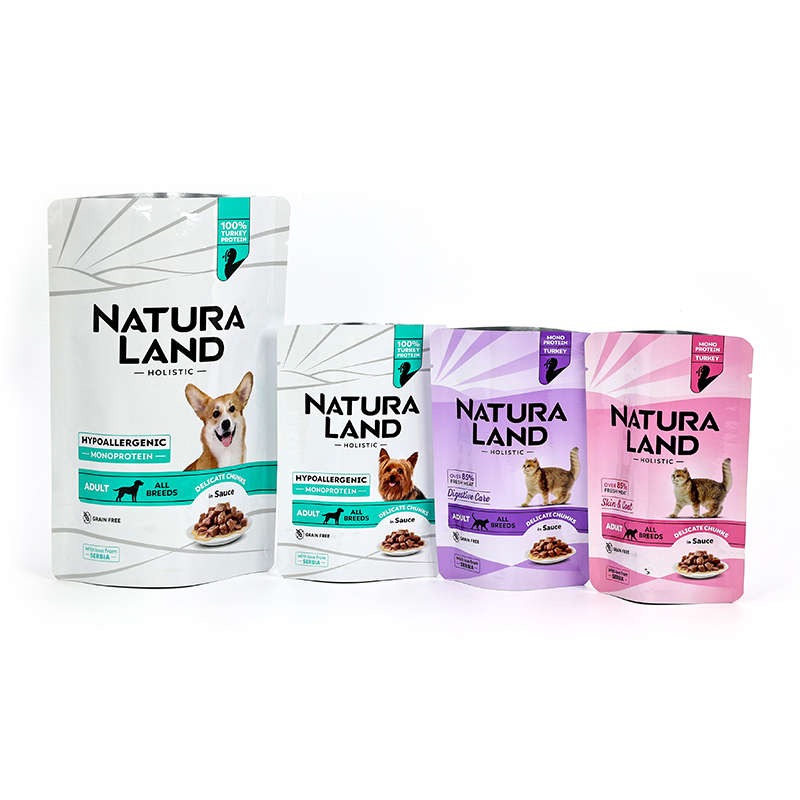
For pet food, packaging often needs larger capacity and stronger durability. Flat bottom heat seal bags or reinforced pouches can help improve storage stability and shelf presentation.
What Causes Poor Heat Sealing?
Poor sealing can come from several factors. Sometimes the packaging material is not suitable for the product or the sealing machine. In other cases, the sealing temperature, pressure, or time is not properly adjusted.
Common causes include:
- Incorrect sealing temperature
- Not enough sealing pressure
- Short sealing time
- Product powder or liquid on the seal area
- Wrong inner sealing layer
- Material thickness not matching the machine
- Poor bag size or sealing design
This is why buyers should not only ask about bag size and printing. They should also confirm the filling method, sealing machine type, product characteristics, and sealing performance requirements.
Custom Heat Seal Food Packaging Bags for Different Applications
Heat seal food packaging bags can be customized according to different product requirements. For dry food packaging, materials can be selected to balance cost, print quality, and moisture protection. For coffee, powder, and high-value food products, aluminum foil or high-barrier structures can be added. For frozen food and vacuum packaging, stronger puncture-resistant materials can be selected.
Available packaging options include stand up pouches, flat bottom bags, three-side seal bags, vacuum bags, aluminum foil bags, kraft paper bags, and food packaging roll films. Custom options may include size, thickness, printing design, surface finish, zipper, tear notch, window, valve, barrier level, and sealing layer.
By matching the correct bag type, material structure, and heat sealing performance, food brands can reduce package failure, protect product quality, and improve packaging consistency.
FAQ
1. What are Heat Seal Food Packaging Bags?
Heat Seal Food Packaging Bags are food packaging bags sealed by heat and pressure after filling. They are used to protect food from air, moisture, leakage, and contamination.
2. What foods are suitable for heat seal packaging bags?
They are suitable for snacks, coffee, tea, nuts, dried fruit, powder products, frozen food, meat, seafood, sauces, pet food, and many other packaged foods.
3. What materials are used for heat seal food packaging bags?
Common structures include PET / PE, PET / AL / PE, PET / AL / CPP, PA / PE, and other laminated materials. The structure depends on the food type and required protection.
4. How do I choose the right heat seal food packaging bag?
You should consider the food type, shelf life, barrier requirements, sealing equipment, bag size, material thickness, and storage conditions. Sample testing is recommended before mass production.
Post time: Jul-21-2026