


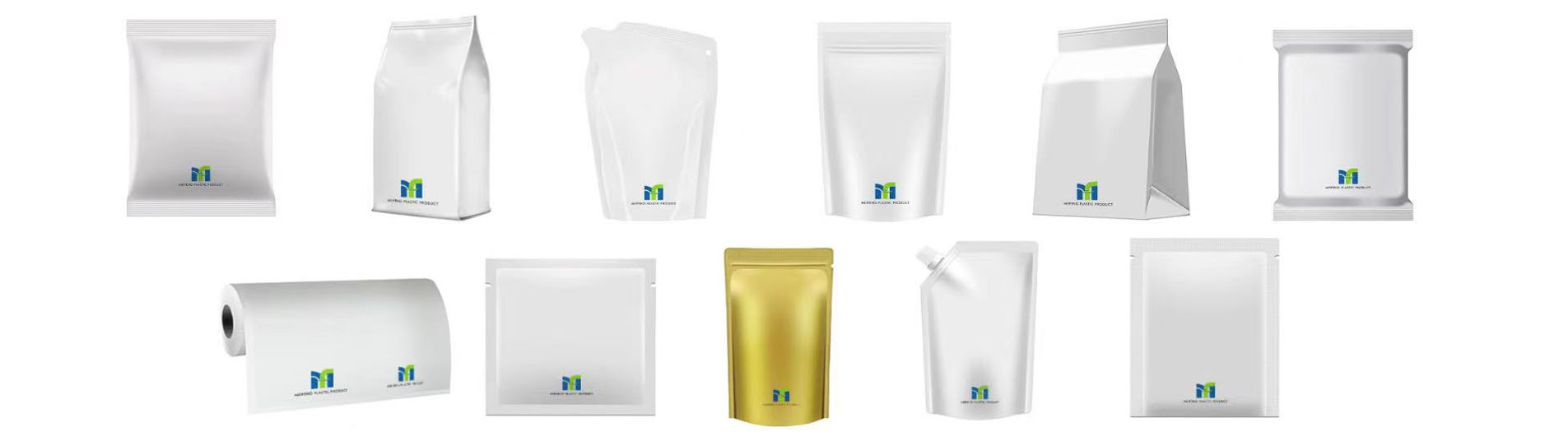
Food packaging bags play an important role in modern food production, retail, storage, and transportation. For food brands, restaurants, supermarkets, and processing factories, packaging is not only used to hold products, but also to protect freshness, improve shelf appeal, support logistics, and build customer trust.
Whether used for snacks, frozen food, coffee, bakery products, dried fruit, pet food, rice, spices, or ready-to-eat meals, high-quality food packaging bags can help reduce contamination risks and keep food in better condition before it reaches consumers. As food safety standards and consumer expectations continue to rise, choosing the right packaging bag has become an important decision for many businesses.
What Are Food Packaging Bags?
Food packaging bags are specially designed bags used to pack, protect, store, and display food products. They can be made from different materials according to the food type, shelf life requirement, storage environment, and branding needs.
Common food packaging bag types include:
- Stand-up pouches for snacks, nuts, coffee, and dry food
- Flat bottom bags for premium retail display
- Vacuum bags for meat, seafood, cheese, and cooked food
- Zipper bags for reusable food storage
- Aluminum foil bags for moisture and light protection
- Frozen food bags for low-temperature storage
- Spout pouches for sauces, drinks, and liquid food
Compared with simple plastic bags, professional food packaging bags are often designed with stronger sealing performance, better barrier protection, clearer printing, and more suitable structures for commercial food use.
Better Freshness Protection for Different Foods
One of the main purposes of food packaging bags is to help protect food freshness. Different food products face different storage challenges, such as moisture, oxygen, light, odor, grease, or temperature changes.
For example:
- Coffee needs packaging that can reduce oxygen and aroma loss.
- Snacks need moisture-resistant bags to keep a crisp texture.
- Frozen food needs packaging that remains flexible and durable in low temperatures.
- Meat and seafood often require vacuum bags to slow oxidation and reduce air exposure.
- Spices and powdered food need strong sealing to prevent clumping and flavor loss.
By selecting the right material and bag structure, food producers can better maintain product quality during storage, transportation, and shelf display.
Food Safety and Hygiene Matter
Food packaging bags must be suitable for direct or indirect food contact. This means the material should meet relevant food-grade requirements and should not affect the taste, smell, or safety of the product under normal use conditions.
A reliable food packaging bag should usually have:
- Clean and safe material for food contact
- Strong heat sealing performance
- Good puncture and tear resistance
- Stable structure during transportation
- Protection against dust, moisture, and external contamination
For food companies, packaging is closely connected with brand reputation. Poor-quality bags may cause leakage, broken seals, product spoilage, or customer complaints. That is why many businesses prefer customized packaging solutions based on product characteristics rather than using one general bag for all food items.
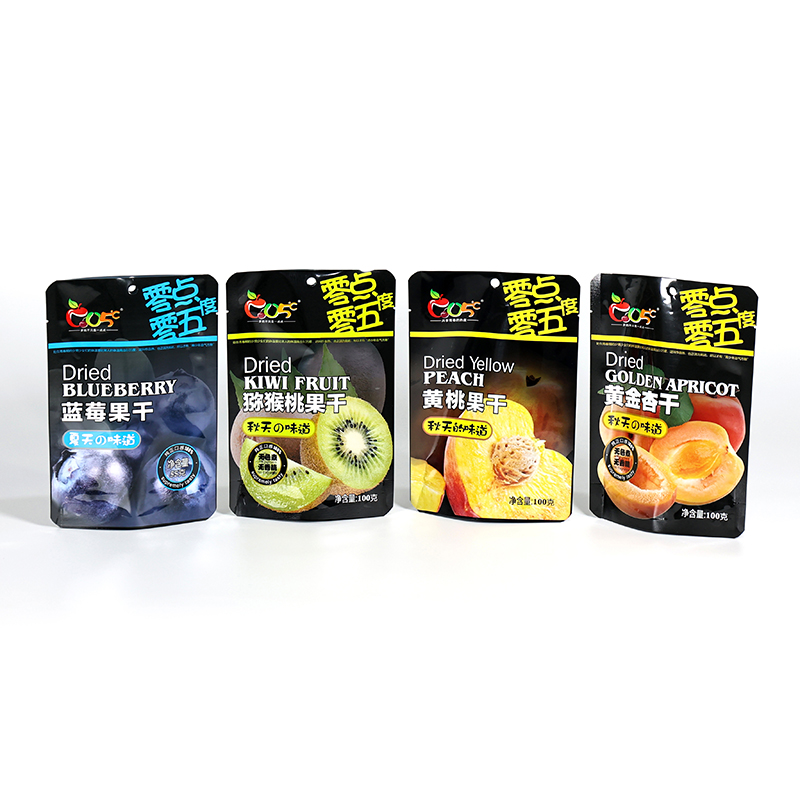
Custom Food Packaging Bags Improve Brand Value
In retail markets, packaging often influences the first impression of a product. A well-designed food packaging bag can make the product look more professional and easier to recognize on shelves or online platforms.
Custom packaging can include:
- Brand logo
- Product name
- Nutrition information
- Storage instructions
- Transparent window
- Matte or glossy surface
- Zipper closure
- Hanging hole
- Easy-tear notch
- QR code or marketing message
Good packaging does more than protect the product. It also helps communicate quality, flavor, usage, and brand personality. For competitive food categories such as snacks, coffee, tea, candy, frozen food, and pet food, packaging design can directly affect customer interest and repeat purchases.
Common Materials Used in Food Packaging Bags
Food packaging bags can be made from single-layer or multi-layer materials. Each material has different strengths, so the choice depends on the food product and packaging goal.
Common materials include:
- PE: often used for sealing layers and flexible food packaging
- PET: provides good clarity, strength, and printability
- CPP: suitable for heat sealing and food-grade packaging
- PA: often used in vacuum bags because of its toughness
- Aluminum foil: offers excellent barrier protection against light, oxygen, and moisture
- Kraft paper: gives a natural appearance and is often combined with inner film layers
Many food packaging bags use laminated structures, which combine several materials together. This helps balance appearance, strength, sealing performance, and barrier protection.
How to Choose the Right Food Packaging Bags
Choosing suitable food packaging bags requires more than selecting a size. Businesses should consider the product’s real storage and selling conditions.
Important factors include:
- Food type: dry, frozen, oily, powdered, liquid, or fresh
- Shelf life requirement: short-term storage or long-term preservation
- Packaging method: manual filling, machine filling, vacuum packing, or heat sealing
- Display style: standing pouch, flat pouch, roll film, or shaped bag
- Storage condition: room temperature, refrigeration, or freezing
- Barrier requirement: moisture-proof, oxygen-resistant, light-blocking, or aroma-retaining
- Branding needs: custom printing, transparent window, matte finish, or premium look
A suitable packaging bag should match both the technical requirements of the food and the marketing needs of the brand.
Sustainable Packaging Trends
More food businesses are also paying attention to sustainable packaging. Consumers are becoming more aware of environmental issues, so brands are looking for packaging solutions that reduce waste while still protecting food quality.
Popular directions include:
- Recyclable packaging structures
- Reduced material thickness
- Paper-based packaging with food-grade inner layers
- Reusable zipper designs
- Lightweight packaging to reduce transportation cost
However, sustainability should not come at the cost of food safety. The best choice is to find a balance between product protection, cost control, user experience, and environmental responsibility.
Why Quality Food Packaging Bags Are Worth Investing In
Food packaging bags may look simple, but they influence many parts of the business. A strong and well-designed bag can reduce product damage, improve shelf life, support brand image, and make the product easier to sell.
For food manufacturers and distributors, investing in suitable packaging can bring several benefits:
- Better product protection during transport
- Lower risk of leakage or broken seals
- More attractive retail presentation
- Improved customer experience
- Stronger brand recognition
- More flexible packaging options for different product lines
When the packaging fits the product well, it becomes part of the product value rather than just an extra cost.
FAQ
1. What are food packaging bags used for?
Food packaging bags are used to store, protect, transport, and display food products. They help reduce exposure to moisture, oxygen, dust, and contamination while making the product easier to sell and handle.
2. Which type of food packaging bag is best for snacks?
Stand-up pouches, flat bottom bags, and zipper bags are commonly used for snacks. These bags can provide good shelf display, moisture resistance, and convenient resealing for customers.
3. Can food packaging bags be customized?
Yes. Food packaging bags can usually be customized in size, material, thickness, printing design, bag shape, zipper, window, hanging hole, and other features according to product and brand needs.
4. How do I choose food packaging bags for my product?
You should consider the food type, shelf life, storage temperature, barrier requirement, packaging method, and brand design. The right bag should protect the food properly while also supporting your product’s market positioning.
Post time: Jun-23-2026