


In the meat processing industry, maintaining product freshness and safety during storage and distribution is a constant challenge. Exposure to oxygen, moisture, and contaminants can quickly lead to spoilage, discoloration, and loss of quality. This is why high barrier food packaging bags for meat products have become an essential solution for modern meat packaging applications.
These advanced packaging materials are specifically designed to protect meat products from environmental factors while supporting efficient processing and long-distance distribution.
What Are High Barrier Food Packaging Bags for Meat Products?
High barrier food packaging bags are flexible packaging solutions engineered to significantly reduce the transmission of gases such as oxygen and water vapor. In meat packaging, these bags help maintain the product’s freshness, color, texture, and nutritional value over extended periods.
They are commonly used in vacuum packaging, modified atmosphere packaging (MAP), and other controlled packaging environments where product stability is critical.
Why Barrier Performance Matters in Meat Packaging
Meat is highly sensitive to environmental exposure, making barrier performance a key factor in packaging effectiveness.
● Oxygen exposure can cause oxidation, leading to color changes and reduced shelf life
● Moisture loss can result in weight reduction and texture deterioration
● External contamination can compromise food safety and product quality
● Light exposure can accelerate degradation in certain meat products
High barrier packaging helps minimize these risks, ensuring consistent product quality throughout the supply chain.
Material Structures Used in High Barrier Meat Packaging Bags
To achieve strong barrier performance, these packaging bags are typically made using multi-layer laminated structures. Each material contributes to specific functional properties.
● PET layers provide strength, dimensional stability, and resistance to external stress
● PE layers ensure reliable sealing and flexibility for vacuum applications
● Nylon (PA) layers offer excellent puncture resistance, especially for bone-in meat products
● EVOH (ethylene vinyl alcohol) layers deliver superior oxygen barrier performance
● Aluminum foil layers provide maximum protection against oxygen, moisture, and light
The combination of these materials allows packaging to be tailored for different meat types and storage conditions.
Key Functional Advantages
High barrier food packaging bags provide several important advantages for meat products in both processing and distribution.
● Extended shelf life by significantly reducing oxygen and moisture transmission
● Preservation of color and appearance, which is critical for consumer acceptance
● Improved food safety by minimizing contamination risks
● Strong sealing performance that ensures airtight packaging
● High puncture resistance for handling sharp edges and bone structures
These features support both product quality and operational reliability.
Applications in Meat Product Packaging
High barrier packaging bags are widely used across various meat categories, each with specific packaging requirements.
● Fresh meat packaging for beef, pork, and poultry products
● Processed meat products such as sausages and cured meats
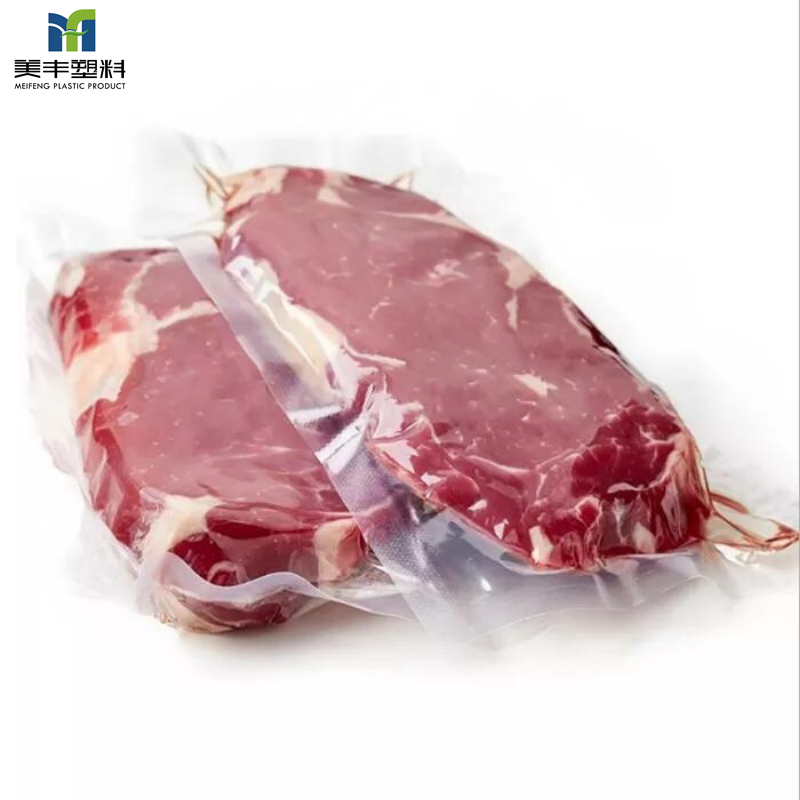
● Vacuum-sealed meat products for retail and export
● Frozen meat packaging requiring durability at low temperatures
● Ready-to-cook and marinated meat products
Their versatility makes them suitable for both domestic distribution and international markets.
Compatibility with Packaging Processes
High barrier food packaging bags are designed to work efficiently with modern packaging technologies.
● Compatible with vacuum packaging systems for air removal
● Suitable for modified atmosphere packaging (MAP) processes
● Stable performance in high-speed automated filling lines
● Reliable sealing under controlled temperature conditions
● Adaptable to different product shapes and sizes
This compatibility ensures smooth integration into industrial packaging workflows.
Customization and Packaging Design
High barrier packaging bags can be customized to meet different product and branding requirements.
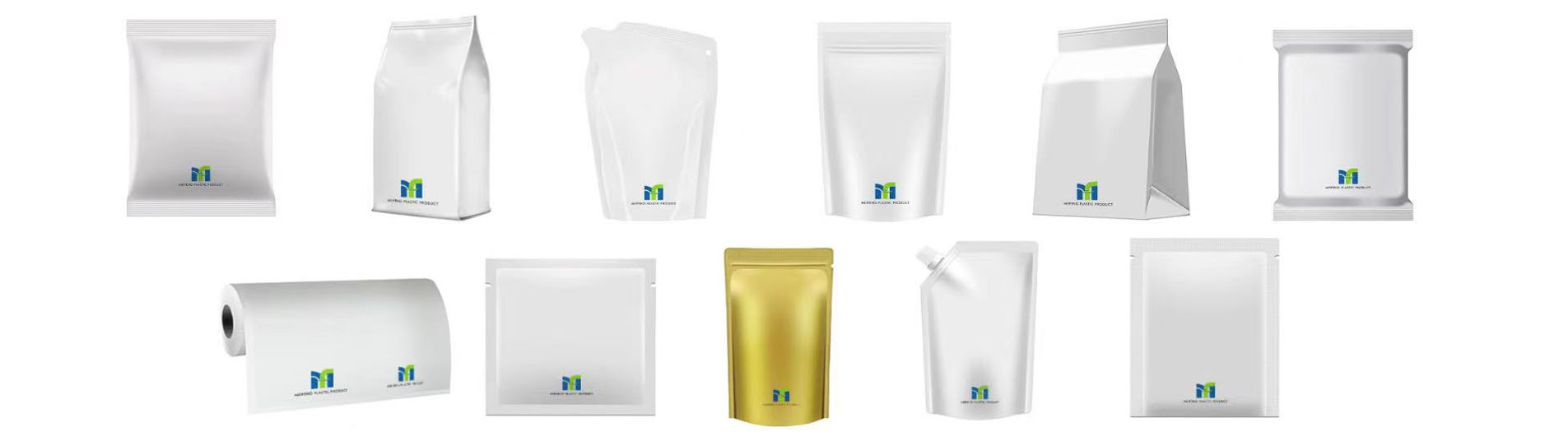
● Various bag formats such as flat bags, vacuum pouches, and stand-up pouches
● Custom sizes and thicknesses based on product weight and application
● Printed designs for branding and product identification
● Transparent or opaque structures depending on display needs
● Functional features such as easy-open or resealable options
These options allow businesses to align packaging performance with market positioning.
Shelf Life and Product Protection
One of the primary benefits of high barrier packaging is its ability to significantly extend the shelf life of meat products. By controlling the internal environment of the package, these bags help maintain freshness, reduce spoilage, and preserve the natural characteristics of the meat.
This is especially important for products that require long-distance transportation or extended storage periods.
Sustainability Trends in High Barrier Packaging
As environmental concerns grow, high barrier packaging is evolving to balance performance with sustainability.
● Development of recyclable high-barrier materials
● Reduction of material thickness without compromising protection
● Increased use of non-aluminum barrier films such as EVOH
● Lightweight packaging to reduce carbon emissions in logistics
● Improved manufacturing processes with lower environmental impact
These advancements are helping the industry move toward more sustainable packaging solutions.
Conclusion
High barrier food packaging bags for meat products play a critical role in maintaining product quality, safety, and shelf life in the meat industry. Their advanced material structures and strong barrier properties provide effective protection against environmental factors, ensuring consistent performance across the supply chain.
As demand for fresh, safe, and long-lasting meat products continues to grow, high barrier packaging solutions will remain essential for modern food packaging operations.
FAQ
1. What makes a packaging bag “high barrier”?
High barrier bags significantly reduce the transmission of oxygen, moisture, and light, protecting the product from environmental exposure.
2. Why is oxygen barrier important for meat packaging?
Oxygen can cause oxidation, leading to spoilage and color changes in meat products.
3. Can high barrier bags be used for frozen meat?
Yes, they are designed to perform well under both refrigerated and frozen conditions.
4. What materials are commonly used in high barrier meat packaging?
Common materials include PET, PE, nylon (PA), EVOH, and aluminum foil.
Post time: Apr-21-2026