


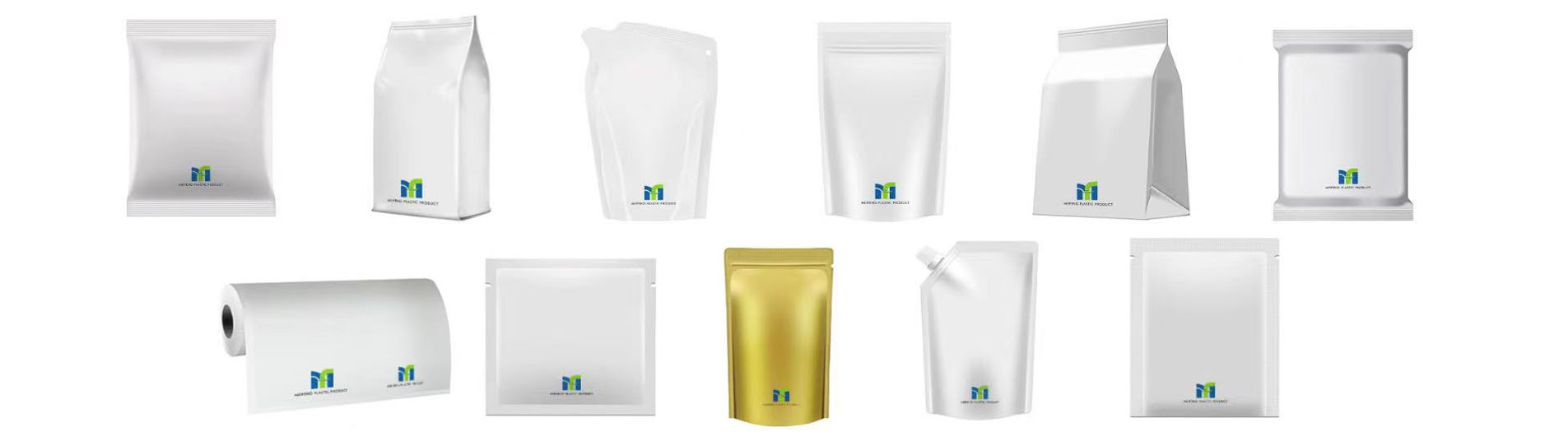

What Is Food Packaging?
Food packaging refers to the materials and packaging solutions used to contain, protect, store, transport, and display food products. Its primary purpose is to ensure food safety, maintain freshness, and extend shelf life throughout the entire journey from production to consumption.
What Are the Functions of Food Packaging?
Food packaging does much more than simply hold food. It helps to:
* Prevent spoilage by protecting food from oxygen, moisture, light, and bacteria
* Ensure food safety by reducing the risk of contamination during storage and transport
* Improve storage and transportation efficiency by minimizing damage and waste
* Enhance the consumer experience by clearly presenting product information and improving convenience
Common Types of Food Packaging
Different foods require different packaging solutions. Common food packaging types include:
* Vacuum packaging – removes air to extend freshness
* Modified Atmosphere Packaging (MAP) – uses gas mixtures to slow food deterioration
* Frozen food packaging – designed to withstand low temperatures
* Flexible packaging bags – lightweight and space-saving, ideal for snacks and ready-to-eat foods
* Roll film packaging – suitable for automated high-speed production lines


What Materials Are Used in Food Packaging?
Food packaging is often made from multi-layer laminated materials, each serving a specific function, such as:
- PET – strong material with excellent printing performance
- PE – food-safe with good sealing properties
- PA (Nylon) – high puncture resistance and strong barrier performance
- Aluminum foil (AL) – excellent protection against oxygen, moisture, and light
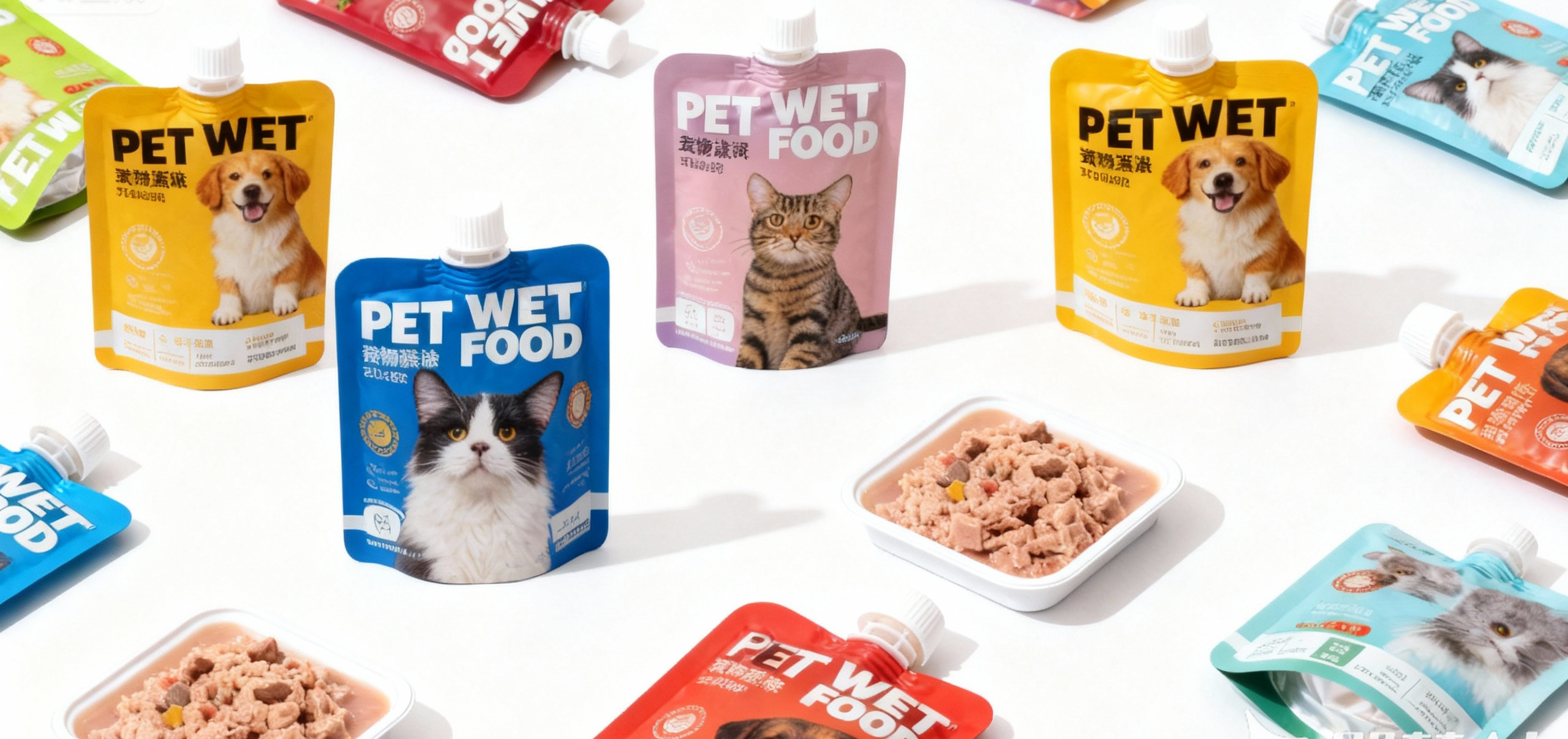
By combining different materials, packaging can meet the needs of meat, seafood, snacks, frozen foods, ready meals, and pet food.
Why Is Food Packaging Important?
High-quality food packaging not only protects the food itself, but also:
* Extends the product’s shelf life
* Enhances product quality and presentation
* Builds consumer trust and brand credibility
In summary, food packaging plays a critical role in food safety and quality, while also helping brands deliver a better and more reliable experience to consumers.
What is the most popular food packaging?
Flexible Packaging
Flexible packaging bags such as plastic bags, aluminum foil bags, and laminated pouches are lightweight and easy to print.
They are widely used for snacks, dry foods, seasonings, and pet food.

Vacuum Packaging
Vacuum packaging removes air from the bag to extend shelf life.
It is commonly used for meat, seafood, cooked food, and frozen products.

Tray & Box Packaging
Tray and box packaging is often made from plastic, paper, or aluminum.
It is suitable for ready meals, takeaway food, and prepared dishes.

Bottle & Can Packaging
Bottle and can packaging is widely used for beverages, sauces, oils, and canned food.
It is strong, easy to store, and convenient to use.

Paper & Biodegradable Packaging
Paper and biodegradable packaging is becoming more popular due to environmental concerns.
It is often used for takeaway food and snacks.


What is modern food packaging?
Modern food packaging refers to advanced packaging solutions that combine new materials, smart technology, and sustainability concepts.
Compared with traditional packaging, it is designed to be safer, more efficient, more convenient, and more environmentally responsible.
It not only protects food and extends shelf life, but also improves user experience and reduces environmental impact.
Key Features of Modern Food Packaging
Modern food packaging uses multi-layer films, high-barrier plastics, aluminum foil, and biodegradable materials.
These materials help provide oxygen resistance, moisture protection, light blocking, and puncture resistance.
Some modern packaging includes labels, temperature indicators, and QR code tracking systems.
These features help monitor food condition, improve supply chain control, and increase consumer interaction.
Modern packaging focuses on easy opening, resealable closures, and portion control, making food more convenient and hygienic to use.
More packaging now uses recyclable, biodegradable, or renewable materials to reduce packaging waste and environmental impact.
Modern food packaging also plays an important role in brand presentation and product marketing.
High-quality printing and design help increase product visibility and added value.
Summary
Overall, modern food packaging is no longer just a way to protect food.
It is a comprehensive solution that combines technology, design, safety, and sustainability.
How can I design my own packaging?
Designing your own packaging works best when it is planned step by step, taking into account product characteristics, market positioning, and production feasibility. A structured approach helps ensure the design is practical and ready for mass production.
Start by identifying your product type (food, frozen food, dry goods, etc.), weight, size, shelf life, and whether vacuum, refrigeration, or freezing is required.
These factors directly affect the packaging structure and material selection.
Select the appropriate bag type (three-side seal pouch, stand-up pouch, zipper pouch, roll film, etc.) and material structure (such as PET/PE, PA/PE, PET/AL/PE) based on the application.
At the same time, consider barrier performance, puncture resistance, and cost.
Define your brand style, colors, fonts, and key information, including brand name, product name, specifications, ingredients, and nutrition details.
During design, allow space for sealing areas, tear notches, and required printing safety margins.
Choose the printing method according to order quantity:
Gravure printing is suitable for large volumes, while digital printing works well for small batches or multiple design testing.
Also confirm finishing options such as white ink base, matte finish, or glossy finish.
Before mass production, make samples to check color accuracy, dimensions, seal strength, and real-use performance, ensuring the packaging works reliably in actual conditions.
Ensure the packaging meets regulatory requirements in the target market (food contact materials, labeling rules).
Confirm minimum order quantity, lead time, and quality standards with the packaging factory.
Good packaging design is not just about appearance.
It must be safe, functional, and scalable for production. Starting from real needs, combined with professional packaging advice and proper testing, leads to packaging that truly fits your product.