


In today’s fast-paced world, convenient and long-lasting food solutions are increasingly in demand. Retort meals have emerged as a practical choice for consumers and businesses alike, offering ready-to-eat meals with extended shelf life without the need for refrigeration. Understanding what a retort meal is, how it is made, and its applications is crucial for B2B buyers, food manufacturers, and distributors who want to meet the growing demand for convenient, high-quality meals.
Understanding Retort Meals
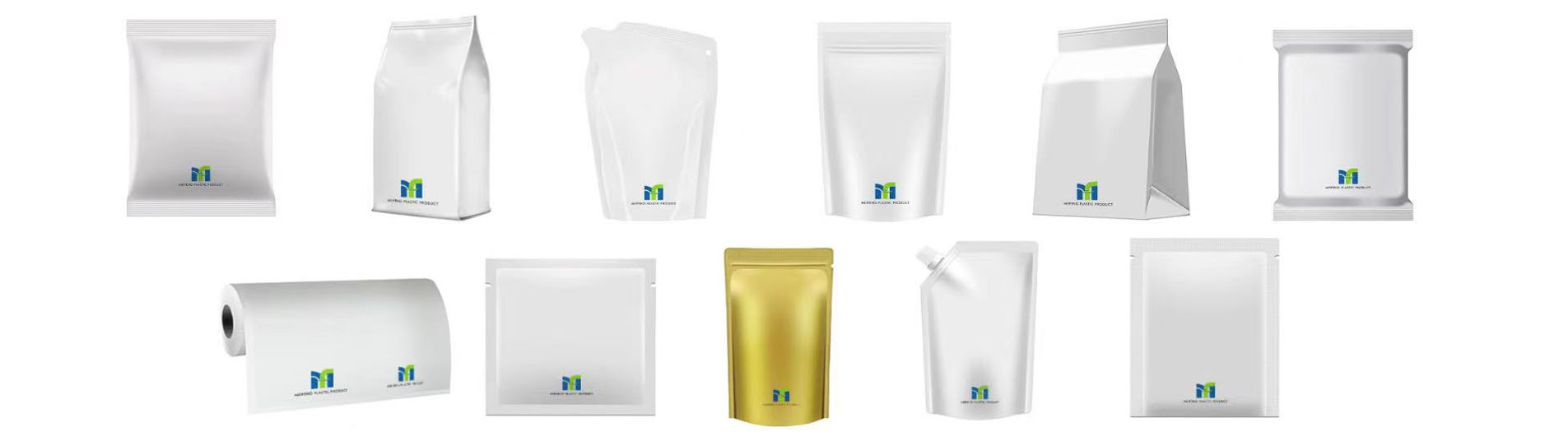
A retort meal is a pre-cooked, packaged meal that has been sterilized using high heat and pressure in a sealed container. This process kills bacteria and other microorganisms while preserving the nutritional value, taste, and texture of the food. The packaging is designed to withstand the sterilization process, typically using materials like multilayer laminates or retort pouches.
Retort meals are widely used in various industries, including ready-to-eat meal production, emergency food supply, airline catering, military rations, and outdoor adventure foods. Their long shelf life and portability make them a strategic choice for businesses that prioritize efficiency and quality.
How Retort Meals Are Made
The production of retort meals involves several key steps to ensure safety, quality, and convenience. These include:
● Food Preparation – Ingredients are cleaned, cooked, and portioned according to the meal design.
● Packaging – Meals are packed into heat-resistant containers such as retort pouches, cans, or trays.
● Sealing – Containers are hermetically sealed to prevent contamination during sterilization.
● Retort Sterilization – The sealed packages are heated under high pressure, typically at temperatures of 116–130°C (240–266°F), to destroy harmful microorganisms.
● Cooling – After sterilization, the meals are rapidly cooled to prevent overcooking and maintain quality.
● Labeling and Storage – Meals are labeled and stored at room temperature, ready for shipment or retail.
This process ensures the food remains safe to eat for months or even years without refrigeration, making it ideal for commercial distribution and export.
Key Benefits of Retort Meals
Retort meals provide numerous advantages for B2B customers, manufacturers, and end-users:
● Extended Shelf Life – Typically lasting 12–24 months without refrigeration.
● Convenience – Ready-to-eat with minimal preparation.
● Nutritional Preservation – Retort technology helps maintain essential nutrients, flavors, and textures.
● Safety – Sterilization reduces the risk of bacterial contamination.
● Versatility – Suitable for various cuisines and meal types, from curries and stews to pasta and rice dishes.
● Portability – Easy to transport, ideal for retail, catering, and emergency supplies.
● Cost Efficiency – Reduces reliance on cold storage and transportation costs.
These benefits make retort meals attractive for businesses involved in retail, military catering, airline services, and emergency food supply chains.
Applications of Retort Meals in B2B
Retort meals are increasingly popular across multiple sectors. Key applications include:
Retail and Supermarkets
Ready-to-eat meals in supermarkets provide convenience to consumers, especially busy professionals and families. Retailers can offer a wide variety of cuisines without the need for cold chain logistics.
Airline and Travel Catering
Airline catering requires meals that are safe, nutritious, and easy to serve. Retort meals meet these requirements, providing quality meals that can be reheated onboard.
Military and Defense
Military rations demand durability, long shelf life, and nutritional balance. Retort meals are ideal for field deployment, disaster response, and supply chain logistics.
Emergency and Humanitarian Aid
During natural disasters or emergencies, ready-to-eat meals with extended shelf life are critical. Retort meals provide reliable nutrition in situations where refrigeration and cooking facilities are unavailable.
Outdoor and Adventure Foods
Hikers, campers, and outdoor enthusiasts benefit from lightweight, easy-to-carry meals that require minimal preparation. Retort meals cater perfectly to this market segment.
Types of Retort Meal Packaging
Packaging is crucial to the effectiveness of retort meals. Common packaging types include:
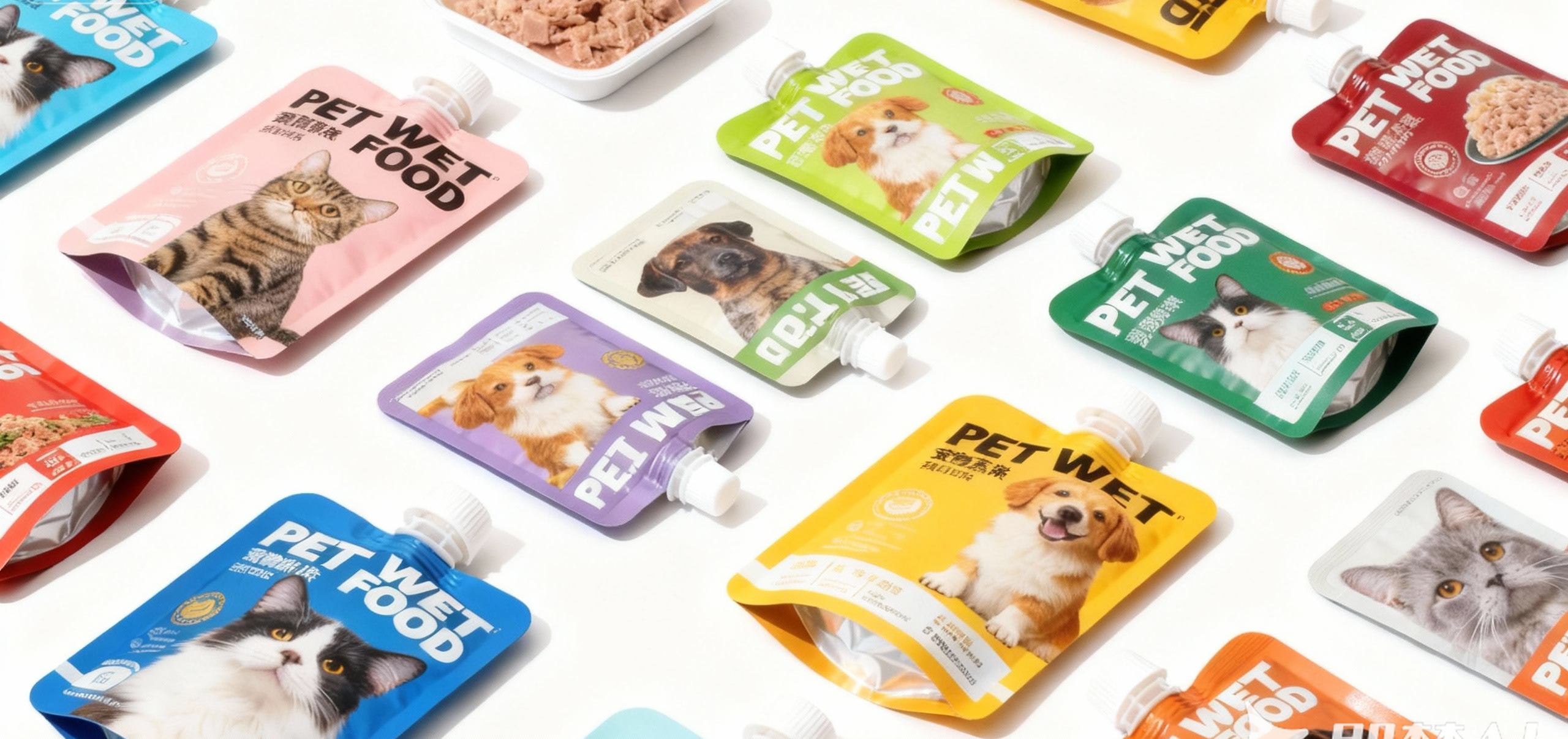
● Retort Pouches – Flexible, lightweight, and space-efficient; ideal for retail and travel.
● Cans – Durable and stackable; suitable for long-term storage and bulk distribution.
● Trays – Rigid, ready-to-heat containers for premium meals and airline catering.
● Multi-layer Laminates – Provide barrier properties against oxygen, moisture, and light to maintain quality.
The choice of packaging depends on the target market, storage requirements, and distribution methods.
Trends and Opportunities in Retort Meals
The retort meal industry is experiencing significant growth driven by several factors:
● Increasing demand for convenient and ready-to-eat meals.
● Rising interest in global cuisines and ethnic foods.
● Growth in emergency preparedness markets and humanitarian aid sectors.
● Expansion of airline, travel, and outdoor food services.
● Advancements in packaging technology that enhance shelf life and quality.
For manufacturers and B2B suppliers, investing in retort meal production offers opportunities to cater to these expanding markets while optimizing production efficiency and reducing logistics costs.
Nutritional and Quality Considerations
B2B buyers and food manufacturers need to ensure retort meals maintain high standards:
● Balanced Nutrition – Meals should contain appropriate protein, carbohydrates, fats, and vitamins.
● Flavor Preservation – Retort processing should not compromise taste.
● Texture – Ingredients must retain their texture post-processing.
● Ingredient Quality – Using fresh and high-quality raw materials is essential for superior end products.
● Regulatory Compliance – Ensure meals meet food safety and labeling regulations for domestic and international markets.
Proper formulation and processing are critical to delivering a premium retort meal that satisfies consumers and meets B2B buyer expectations.
Conclusion
A retort meal is a pre-cooked, sterilized, ready-to-eat meal that offers convenience, safety, and a long shelf life without refrigeration. Its applications span retail, airline catering, military rations, emergency response, and outdoor adventure foods. For B2B buyers, understanding the production, benefits, and market opportunities of retort meals is essential for making informed decisions, expanding product portfolios, and meeting growing consumer demand for convenient, high-quality meals.
FAQ
1. How long can retort meals be stored without refrigeration?
Retort meals typically have a shelf life of 12–24 months, depending on ingredients and packaging.
2. Are retort meals nutritionally comparable to freshly cooked meals?
Yes. Proper retort processing preserves most nutrients, flavors, and textures, making them a nutritious alternative to fresh meals.
3. What types of packaging are used for retort meals?
Common options include retort pouches, cans, rigid trays, and multi-layer laminates designed to withstand high heat and pressure.
4. Which industries most commonly use retort meals?
Retail, airline catering, military and defense, emergency humanitarian aid, and outdoor adventure food markets widely use retort meals.
Post time: Dec-09-2025