


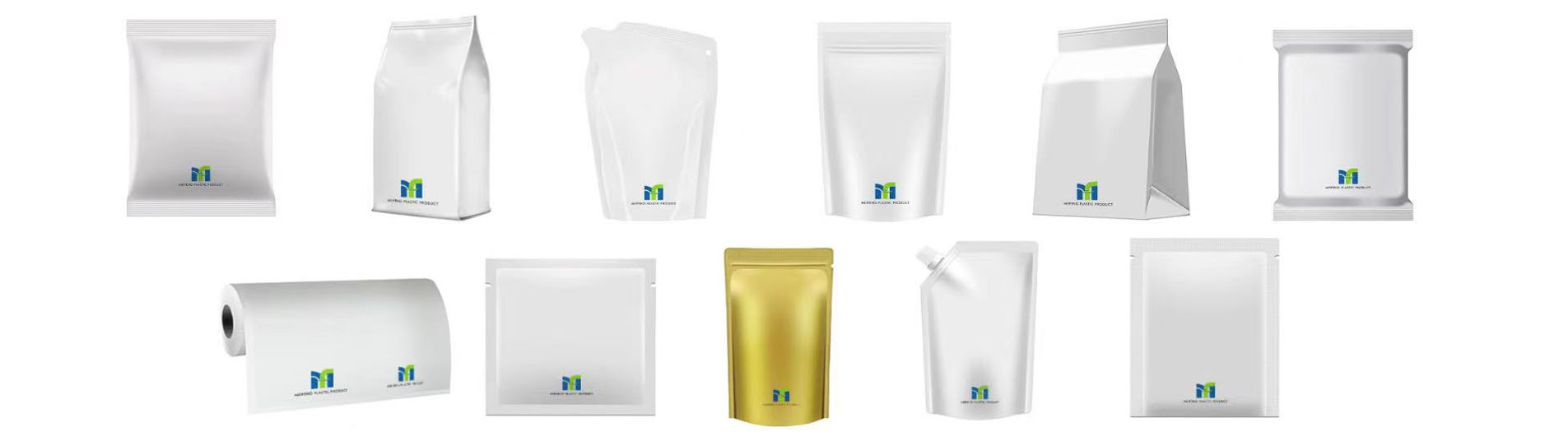
Retort pouches have become a cornerstone of modern food packaging, especially in shelf-stable and ready-to-eat segments. For food manufacturers, brand owners, and distributors, understanding what foods are commonly packed in retort pouches is essential for product development, market positioning, and long-term packaging strategy. As global demand for convenient, safe, and high-quality foods continues to grow, retort pouches are playing an increasingly strategic role in the B2B food supply chain.
Understanding Retort Pouches in Commercial Food Packaging
Retort pouches are flexible, laminated packaging solutions designed to withstand high-temperature thermal sterilization processes. They allow food to be cooked and preserved inside the sealed pouch, achieving commercial sterility without refrigeration.
From a B2B standpoint, retort pouches offer a balance of extended shelf life, lightweight logistics, and strong product presentation. Compared with traditional cans or glass jars, they reduce transportation costs, improve storage efficiency, and align well with modern consumer preferences for convenience and portability.
Ready-to-Eat Meals in Retort Pouches
One of the most common food categories packaged in retort pouches is ready-to-eat meals. These products benefit significantly from the pouch’s ability to preserve flavor, texture, and nutritional value over long periods.
● Ethnic and regional meals such as curries, stews, rice dishes, and pasta-based meals
● Military and emergency rations requiring long shelf life and durability
● Airline and catering meals where weight reduction and easy reheating are critical
● Retail shelf-stable meal kits designed for quick preparation
For manufacturers, retort pouches enable centralized production, reduced preservatives, and consistent quality across large distribution networks.
Meat, Poultry, and Seafood Products
Animal protein products are among the most widely packaged foods in retort pouches due to their sensitivity to microbial growth and the need for reliable sterilization.
● Cooked meat dishes including beef stews, pork cuts, and chicken entrées
● Seafood products such as tuna, salmon, sardines, and shellfish in sauce or oil
● Processed protein foods like meatballs, sausages, and shredded meats
In B2B supply chains, retort pouch packaging allows exporters and wholesalers to ship protein products globally without cold-chain logistics, significantly lowering distribution costs and spoilage risk.
Sauces, Soups, and Liquid-Based Foods
Sauces and liquid foods are particularly well-suited for retort pouch packaging due to the pouch’s excellent sealing and barrier properties.
● Cooking sauces including tomato sauce, curry sauce, and gravy
● Soups and broths such as chicken soup, vegetable soup, and bone broth
● Condiments and bases used in foodservice and industrial kitchens
For foodservice suppliers and ingredient manufacturers, retort pouches provide portion control, easy dispensing, and stable storage, making them ideal for high-volume professional use.
Vegetables, Legumes, and Plant-Based Foods
As plant-based diets and sustainable food trends gain momentum, retort pouches are increasingly used for vegetables and legumes.
● Cooked vegetables such as corn, carrots, beans, and mixed vegetables
● Legumes and pulses including chickpeas, lentils, and beans
● Plant-based meal components used in vegetarian or vegan ready meals
From a B2B perspective, retort pouch packaging helps preserve color, texture, and nutritional value while supporting long shelf life for export and retail distribution.
Baby Food and Specialized Nutrition Products
Retort pouches are widely adopted in baby food and specialized nutrition markets due to their safety, hygiene, and convenience.
● Pureed fruits and vegetables
● Blended meals for infants and toddlers
● Medical and elderly nutrition products requiring sterile, easy-to-consume formats
For manufacturers, the retort process ensures food safety compliance while flexible pouches allow innovative shapes and user-friendly packaging designs that appeal to caregivers and healthcare providers.
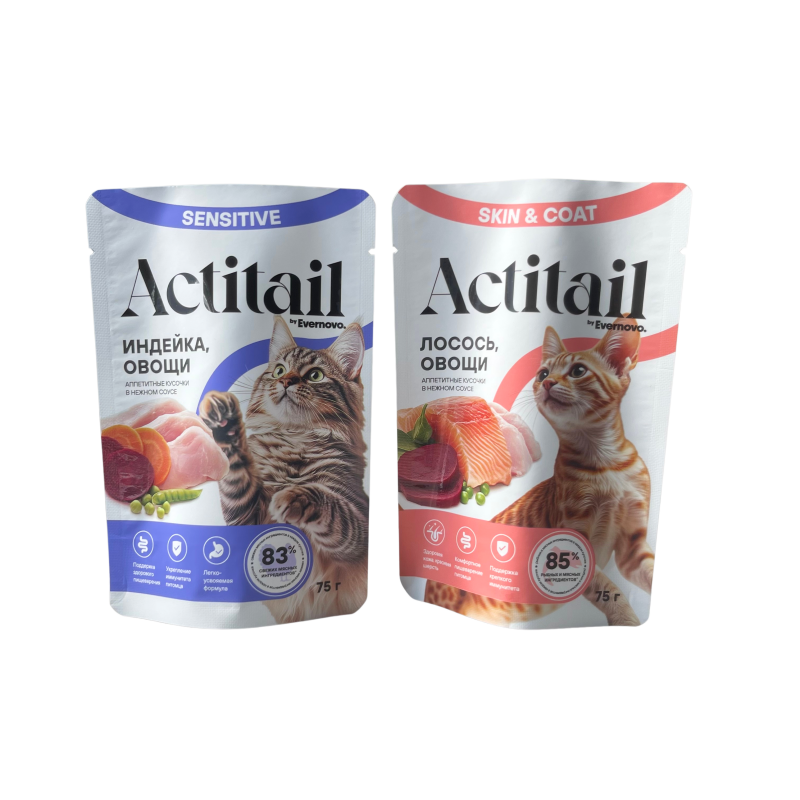
Pet Food in Retort Pouches
Pet food is another major category where retort pouches are commonly used, especially for wet and semi-moist formulations.
● Wet dog and cat food with meat or fish content
● Premium and functional pet foods targeting specific health needs
● Single-serve pet meals for convenience and portion control
In the B2B pet food sector, retort pouches support brand differentiation, premium positioning, and efficient logistics.
Why These Foods Are Ideal for Retort Pouch Packaging
Certain food characteristics make them particularly suitable for retort pouch packaging.
● High moisture content, which benefits from thermal sterilization
● Ready-to-eat or ready-to-heat formats requiring minimal consumer preparation
● Sensitivity to oxygen and light, requiring high-barrier packaging
● Need for long shelf life without refrigeration
For B2B buyers, matching food type with appropriate packaging technology is critical to achieving product stability and regulatory compliance.
Market Trends Influencing Food Choices for Retort Pouches
Several global trends are shaping what foods are commonly packaged in retort pouches.
● Growth in convenience foods and urban lifestyles
● Expansion of international food trade and exports
● Increasing demand for emergency, military, and humanitarian food supplies
● Rising focus on sustainable, lightweight packaging alternatives
These trends are driving innovation in both food formulation and retort pouch material structures, opening new opportunities for manufacturers and packaging suppliers.
Considerations for B2B Food Manufacturers
When selecting foods for retort pouch packaging, manufacturers must consider multiple operational and commercial factors.
● Compatibility of food texture and formulation with thermal processing
● Shelf-life targets and storage conditions
● Target markets and regulatory requirements
● Branding, portion size, and distribution channels
Strategic alignment between product type and packaging technology directly affects profitability, scalability, and market success.
Conclusion
So, what foods are commonly in retort pouches? The answer spans a wide range of categories, including ready-to-eat meals, meats, seafood, sauces, vegetables, baby food, and pet food. For B2B stakeholders, retort pouches represent more than just packaging; they are a strategic tool that enables global distribution, extended shelf life, and operational efficiency. As food markets continue to evolve, retort pouch-compatible foods will remain central to innovation and growth in the shelf-stable food sector.
FAQ:
-
Why are retort pouches commonly used for ready-to-eat foods?
Retort pouches allow ready-to-eat foods to be sterilized and stored safely at room temperature while preserving taste and texture. -
Can liquid foods be packaged in retort pouches?
Yes, soups, sauces, and broths are ideal for retort pouches due to their strong sealing and barrier performance. -
Are retort pouches suitable for protein-rich foods like meat and seafood?
Absolutely. Retort pouches are widely used for meat and seafood products because they ensure food safety and long shelf life without refrigeration.
Post time: Dec-23-2025