


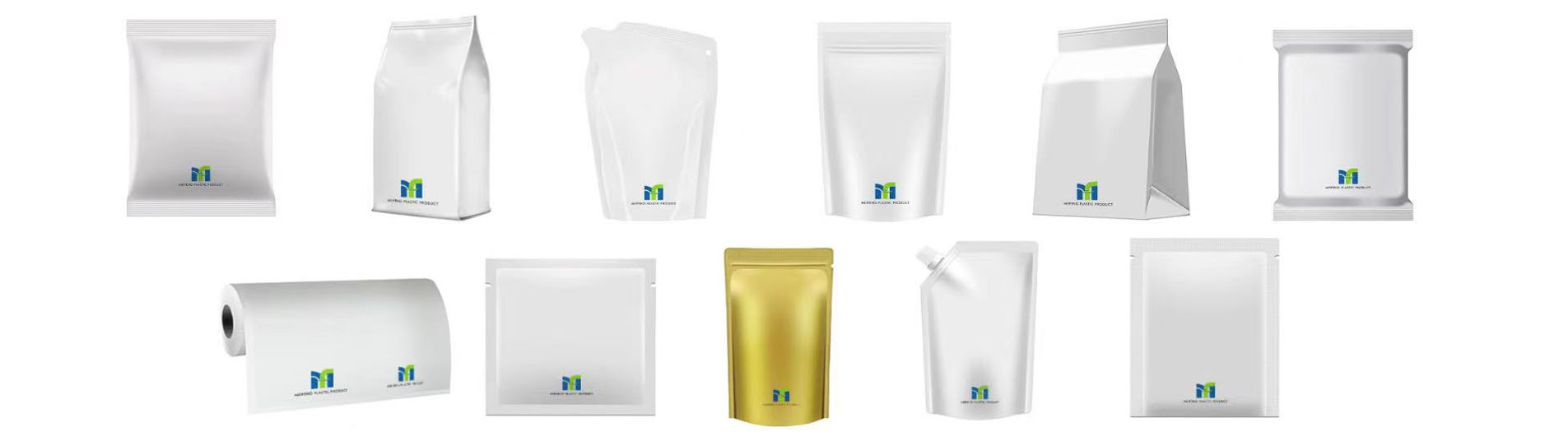
In the evolving food packaging industry, retort pouches have become a vital solution for safe, convenient, and shelf-stable products. Understanding which foods are commonly packaged in these pouches is crucial for manufacturers, suppliers, and distributors aiming to meet market demands and ensure product quality. Retort pouches allow for efficient distribution, extended shelf life, and superior product protection, making them a strategic choice for B2B operations in the food sector.
Why Retort Pouches Matter for Food Packaging
Retort pouches are flexible, multi-layered packaging designed to withstand high-temperature sterilization. Unlike traditional cans, jars, or glass containers, retort pouches offer significant advantages:
● Extended Shelf Life Without Refrigeration – The multilayer structure provides barriers against oxygen, light, and moisture, allowing food to remain safe and fresh for extended periods.
● Reduced Shipping Weight and Storage Space – Flexible packaging is lightweight and compact, lowering transport costs and maximizing warehouse efficiency.
● Convenience for Retailers and Consumers – Easy-to-open, resealable designs make it simple for end-users to consume and store products.
● Enhanced Product Protection – The materials used prevent contamination, oxidation, and loss of flavor, texture, and nutritional value.
Because of these benefits, retort pouches have become the preferred packaging solution for a wide range of food products, particularly in the ready-to-eat, convenience, and premium sectors.
Common Foods Packaged in Retort Pouches
Retort pouches are versatile and can accommodate a broad spectrum of food products. The choice of foods often depends on the target market, shelf-life requirements, and processing conditions.
● Ready-to-Eat Meals
● Ready-to-eat meals such as pasta dishes, curries, stews, and rice-based dishes are commonly packaged in retort pouches.
● The pouches allow these meals to maintain taste, texture, and nutritional quality even after high-temperature sterilization.
● They are particularly popular in B2B supply chains serving cafeterias, airlines, military, and convenience stores.
● Soups, Gravies, and Sauces
● Liquid-based products, including soups, sauces, gravies, and broths, benefit greatly from retort pouch packaging.
● The airtight and heat-resistant pouches prevent spoilage, maintain flavor, and extend shelf life.
● They are widely used by foodservice providers, retail chains, and frozen meal producers who need consistent quality.
● Seafood and Meat Products
● Proteins such as tuna, salmon, chicken, beef, and mixed seafood are frequently packaged in retort pouches.
● The packaging preserves freshness, prevents microbial contamination, and ensures safety during long-distance transport and storage.
● This is particularly important for export-oriented B2B businesses dealing with international markets.
● Baby and Infant Food
● Baby meals, fruit and vegetable purees, and other infant food products are commonly packaged in small, convenient retort pouches.
● The packaging maintains hygiene, nutritional integrity, and ease of use for parents.
● It also allows manufacturers to produce single-serving packs suitable for retail distribution.
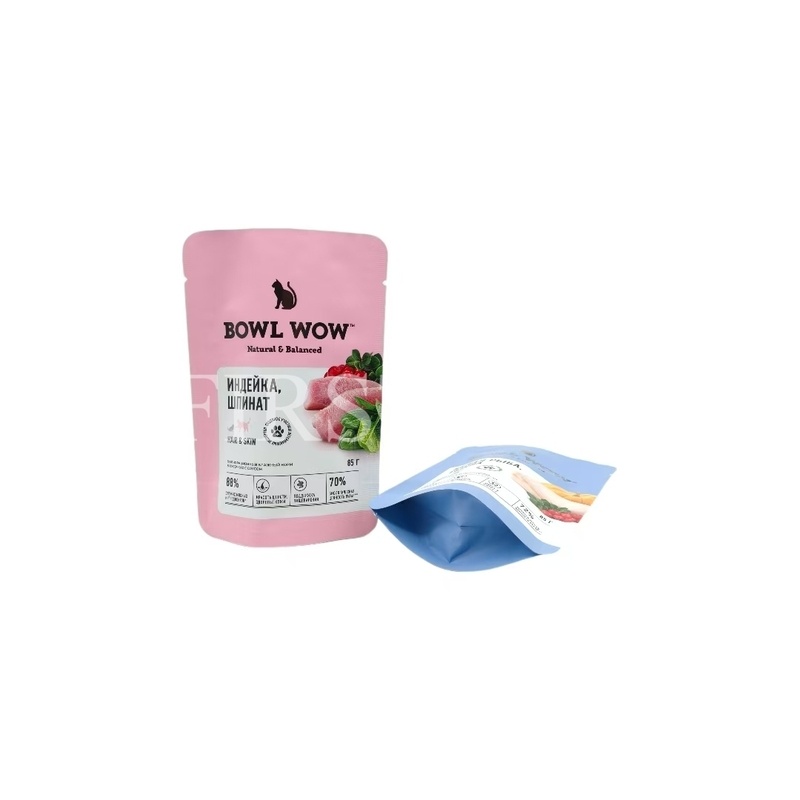
● Pet Food
● Wet pet foods, including stews, pâtés, and mixed protein meals, are widely available in retort pouches.
● These pouches maintain palatability and safety without preservatives while being shelf-stable for months.
● Pet food manufacturers often use pouches to reduce storage and shipping costs and increase product appeal.
● Specialty and Functional Foods
● Health-oriented beverages, fortified meals, nutraceuticals, and other functional foods are increasingly packaged in retort pouches.
● These pouches protect sensitive ingredients from degradation caused by light, oxygen, or moisture.
● Functional and organic food brands use retort packaging to highlight quality, safety, and convenience.
● Ready-to-Drink and Convenience Beverages
● Certain liquid supplements, energy drinks, and meal replacement drinks are packaged in retort pouches.
● These products benefit from the barrier protection, ensuring a longer shelf life while maintaining flavor and nutrient stability.
Advantages of Using Retort Pouches for Food Packaging
Using retort pouches provides both operational and commercial advantages for B2B manufacturers:
● Extended Shelf Life – Products can remain stable for months or years without refrigeration, reducing waste and increasing distribution flexibility.
● Cost Savings – Lightweight, space-efficient pouches lower shipping costs and storage requirements.
● Improved Product Safety – Multi-layer structures prevent contamination and spoilage, ensuring compliance with food safety regulations.
● Consumer Convenience – Resealable, easy-to-open designs improve usability, which is essential for on-the-go consumers.
● Sustainability Opportunities – Flexible pouches use less material than traditional packaging, with many options being recyclable or compatible with emerging sustainable packaging initiatives.
These advantages make retort pouches an attractive choice for B2B suppliers, helping businesses reduce costs, improve operational efficiency, and meet consumer expectations.
Key Considerations for Manufacturers
When selecting retort pouches for different types of foods, manufacturers should consider:
● Food Type – Liquids, semi-solids, or solid foods require different barrier materials.
● Shelf-Life Requirements – Products with longer shelf-life goals may need advanced multi-layer laminates or enhanced barrier films.
● Sterilization Method – High-temperature retort processes necessitate heat-resistant films such as PET, PP, aluminum foil, and nylon.
● Packaging Size and Format – Pouch dimensions should match product quantity, distribution needs, and consumer preferences.
● Regulatory Compliance – Materials and inks used must comply with food contact regulations and international standards, especially for export markets.
Summary
Retort pouches are a versatile and highly effective packaging solution for a wide range of foods, including ready-to-eat meals, soups, sauces, seafood, baby food, pet food, functional foods, and beverages. Their multi-layer construction ensures product safety, extended shelf life, and consumer convenience. For B2B manufacturers and distributors, understanding which foods are commonly packaged in retort pouches helps optimize production, reduce costs, and deliver high-quality, safe products to the market. By selecting appropriate materials, pouch formats, and sterilization methods, businesses can maximize efficiency and gain a competitive advantage in the food packaging industry.
FAQ
Q1: Can all types of food be packaged in retort pouches?
● Most foods can be, but high-fat, highly acidic, or oil-rich products may require specialized barrier layers for stability and safety.
Q2: How long can food remain shelf-stable in retort pouches?
● Depending on the product and pouch design, shelf life ranges from several months to over three years without refrigeration.
Q3: Are retort pouches suitable for baby food and pet food?
● Yes, they are widely used in both sectors due to their hygienic, airtight, and heat-resistant properties.
Q4: What materials are typically used in retort pouches for these foods?
● Retort pouches usually consist of layers such as PET, aluminum foil, polypropylene (PP), and nylon to provide heat resistance, barrier protection, and durability.
Post time: Dec-30-2025