


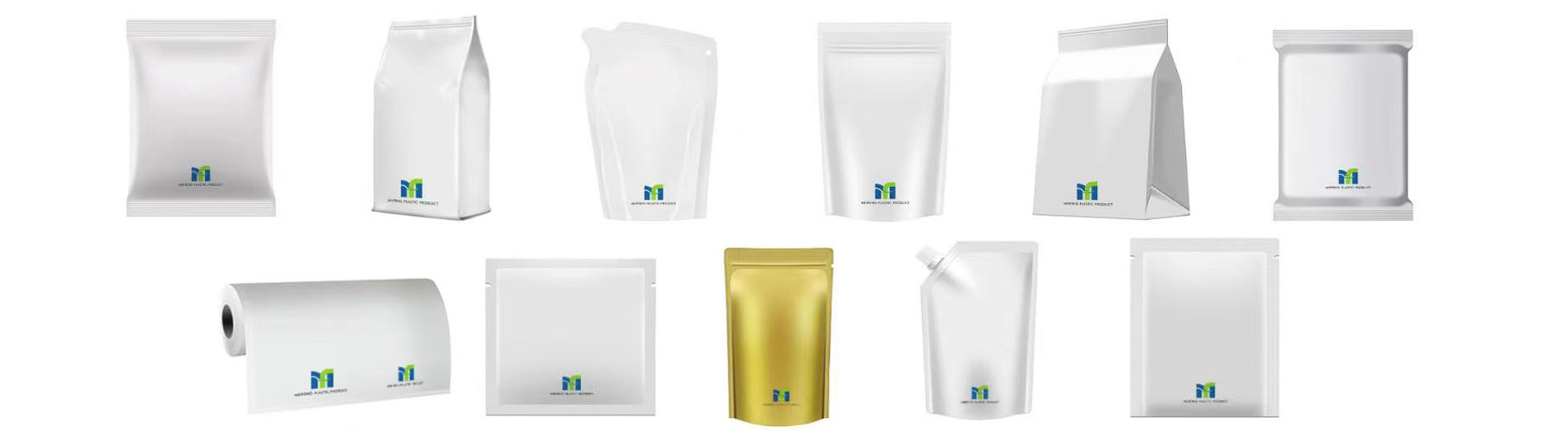
Retort packaging is available in several pouch formats, each designed to meet different requirements for filling, storage, transportation, and product presentation. Although these packages share the ability to undergo suitable high-temperature retort processing, their shapes and structural designs can create significant differences in practical use. Understanding the main Types of Retort Pouches helps food producers select packaging that matches product characteristics rather than choosing a format based on appearance alone. A pouch designed for liquid food may not be the most convenient option for solid meals, while a package intended for retail display may have different requirements from one used in foodservice operations.
Three-Side Seal Retort Pouches for Compact Packaging
Three-side seal pouches are among the most straightforward Types of Retort Pouches. They are made by sealing three edges of a flexible packaging material, leaving one side open for product filling before the final seal is completed. Their relatively flat structure makes them suitable for products that do not require the package to stand upright independently. Common applications include ready-to-eat meals, meat products, seafood, sauces, and other processed foods.
One advantage is their efficient use of storage and transportation space. Empty pouches can be stacked in relatively compact bundles, while filled packages can be arranged in cartons without requiring the additional space associated with more complex pouch shapes. However, the flat format has limitations. It offers less internal expansion space than gusseted designs, and its presentation on retail shelves may require additional support.
Stand-Up Retort Pouches for Retail Presentation
Stand-up pouches are designed with a bottom structure that allows the filled package to remain upright. This feature makes them useful for products that need visible shelf presentation and convenient storage after packaging.
Among different Types of Retort Pouches, stand-up formats are often considered for soups, sauces, prepared meals, and other food products where an upright package can improve handling and display. Their bottom gusset expands when the pouch is filled, creating a wider base. This allows the package to stand without relying entirely on external support. The design can also provide more usable internal volume within a relatively compact footprint.
Nevertheless, a stand-up structure requires careful consideration during packaging development. The bottom gusset introduces additional folds and sealing areas, so the structure must be designed and validated for the intended retort conditions. The package should also remain stable after filling and processing. Stand-up pouches are particularly useful when presentation and storage convenience are important. However, they are not automatically the best choice for every product. Filling behavior, package weight, and the consistency of the filled shape should all be considered.
Side-Gusset Retort Pouches for Greater Internal Capacity
Side-gusset pouches have expandable folds along their sides. When the package is filled, these folds open to provide additional internal capacity while maintaining a relatively controlled package shape.
This format can be useful for products that need more volume than a conventional flat pouch can comfortably accommodate. Depending on the design and validated processing requirements, potential applications include larger portions of prepared foods, meat products, and other solid or semi-solid foods. The side folds influence how the package expands during filling. They can help distribute the contents across a wider internal space, which may be useful when packaging products with different shapes or portion sizes.
However, the additional folds also create more complex areas for material control and sealing. The package must be evaluated to ensure that its structure remains suitable during filling, retort processing, cooling, and subsequent handling. When comparing Types of Retort Pouches, side-gusset designs are worth considering when internal capacity is a priority but a fully expanded box-like package is unnecessary.
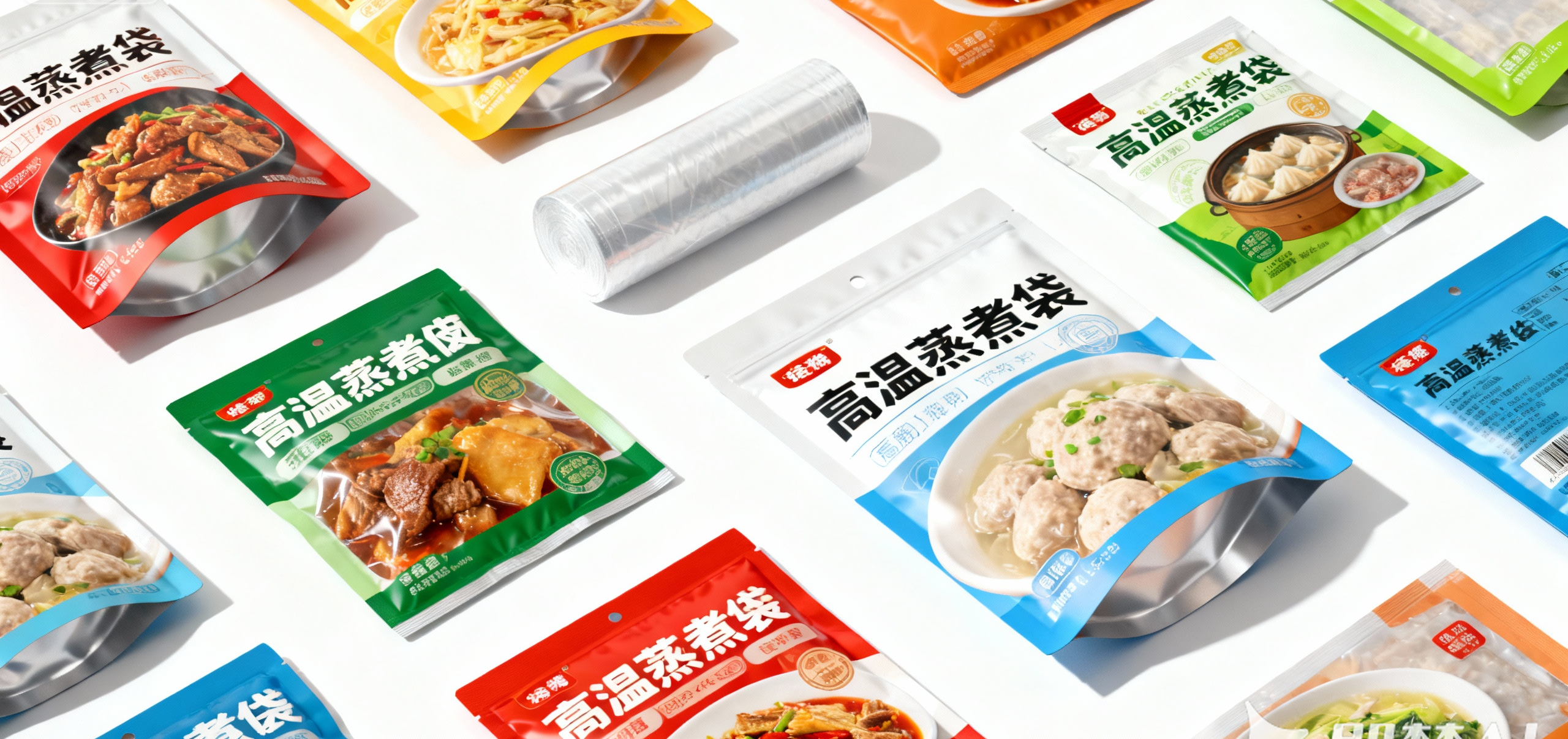
Bottom-Gusset and Box-Style Retort Pouches for Larger Portions
Bottom-gusset pouches use an expandable bottom section to create a broader base. Some designs can form a box-like shape when filled, offering a more substantial appearance than conventional flat packaging.
These structures are relevant when products require additional capacity or a package that maintains a defined shape during storage and display. Depending on the construction, they may be considered for larger ready meals, prepared food portions, and other products that benefit from a wider base. Their shape can help organize the contents and improve shelf presentation. A broader bottom may also make the package easier to position during certain filling and handling operations.
However, box-style construction does not guarantee better performance. Additional folds and material layers may complicate sealing and require more attention during package development. The finished structure must be suitable for the selected food, filling process, and retort conditions. For producers comparing different Types of Retort Pouches, this format is most relevant when package capacity, shape retention, and presentation need to be considered together.
Spouted Retort Pouches for Controlled Dispensing
Spouted pouches combine flexible packaging with a dispensing feature. A spout allows users to pour or dispense products without opening the entire package, which can be convenient for certain liquid and semi-liquid foods.
Potential applications include sauces, purees, and other products that can flow through the selected opening. Compared with a fully sealed flat pouch, a spouted design can provide more controlled dispensing and may reduce spills during use. However, not every spouted pouch is suitable for retort processing. The spout, closure, attachment area, and surrounding packaging structure must all be specifically designed and validated for the required processing conditions. The closure system must maintain its integrity throughout processing, storage, and distribution.
This distinction is important when evaluating Types of Retort Pouches. A dispensing feature should not be selected simply because it improves convenience. Its compatibility with the food, filling method, processing conditions, and intended storage period must be confirmed.
Developing the Right Retort Pouch for Your Product
Choosing among different Types of Retort Pouches requires a clear understanding of both packaging format and product requirements. A flat pouch may be suitable for compact portions, while a stand-up or gusseted design may better support products that need additional capacity or improved shelf presentation. Spouted options can also be considered when dispensing convenience is important and the complete closure system is compatible with retort processing.
Meifeng offers flexible food packaging solutions, including retort pouches and other packaging formats. Its capabilities in packaging research and development, digital printing, and quality control can support discussions about different pouch structures and customized packaging requirements.
When developing a new package, food producers should communicate the product type, filling conditions, processing requirements, target portion size, storage expectations, and intended distribution environment. These details help narrow down suitable structures and material combinations. Evaluating samples under relevant conditions is also important before finalizing the packaging design. The objective is to select a Retort Pouch that works as part of the complete food packaging process, from filling and processing to storage, transportation, and consumer use.
Conclusion
The main Types of Retort Pouches include three-side seal, stand-up, side-gusset, bottom-gusset, and spouted formats. Each offers different advantages in terms of capacity, package shape, storage efficiency, presentation, and dispensing convenience.
The most suitable format depends on the food’s physical characteristics, portion size, processing requirements, and distribution conditions. By evaluating these factors together, food producers can choose a pouch structure that supports both packaging performance and practical product use.
FAQs
1. Are all retort pouch formats suitable for the same foods?
No. Different structures are designed for different filling volumes, food textures, and handling requirements. The package should match the product and its processing conditions.
2. What is the main difference between a stand-up pouch and a side-gusset pouch?
A stand-up pouch uses a bottom structure to support an upright position, while a side-gusset pouch expands through folds along its sides to provide additional internal capacity.
3. Can a retort pouch include a dispensing spout?
Yes, but the spout and closure must be specifically designed and validated for retort processing. Ordinary dispensing components should not be assumed to withstand these conditions.
4. Should pouch shape or packaging material be selected first?
They should be evaluated together. The required pouch format, barrier performance, food characteristics, and processing conditions all influence the final packaging structure.
Post time: Nov-10-2026