


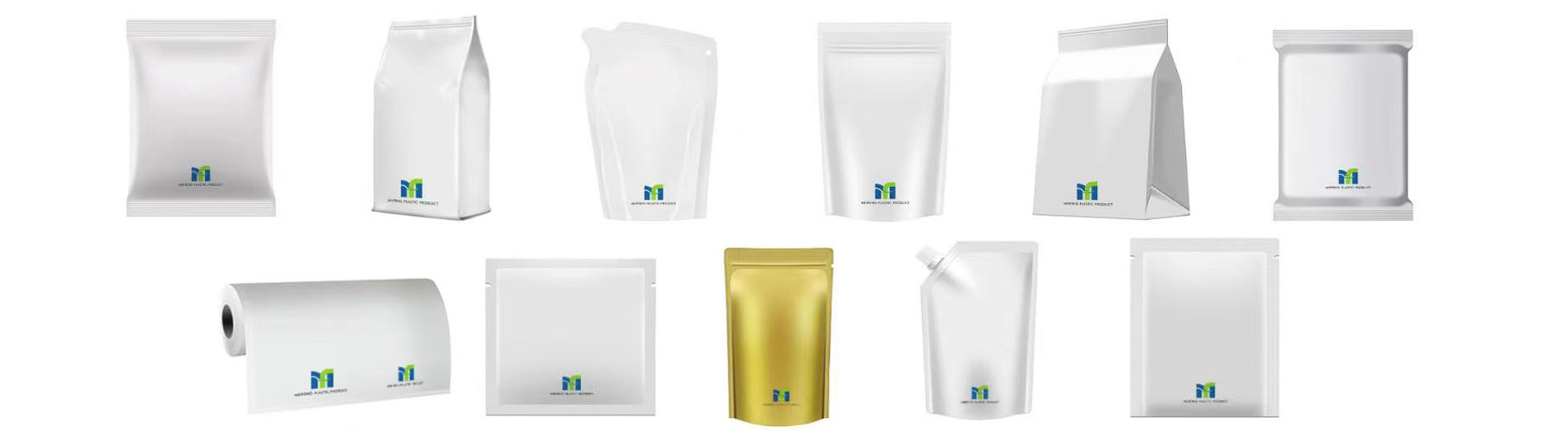
A Stand Up Spout Pouch offers convenient dispensing, flexible storage, and an attractive shelf presentation for liquid and semi-liquid products. However, its performance depends on more than the pouch structure. If the spout connection is weak, the sealing edges are inconsistent, or the material is unsuitable for the contents, leakage may occur during filling, storage, or transportation.
For brands choosing flexible packaging, preventing these problems starts with understanding how the pouch will be filled, stored, transported, and used. Selecting the right material, spout configuration, and sealing structure can help reduce packaging failures and improve the overall customer experience.
Identify Where Leakage May Occur
The spout-to-pouch connection is one important area. The spout must be securely integrated with the pouch material. If the connection is poorly formed or incompatible with the selected film, liquid may escape around the joint, particularly when the pouch is squeezed or exposed to pressure.
The pouch’s sealed edges also require attention. Uneven sealing, contamination from product residue, or unsuitable sealing conditions can weaken the package. Even when the spout connection is reliable, poor edge sealing may still cause leakage. The closure is another consideration. Caps and other closures should fit the spout correctly and remain secure during handling. A loose or damaged closure can allow product to escape after filling.
Finally, the pouch body must withstand the product’s weight and normal handling conditions. Material damage, sharp contact with other packages, or excessive pressure during stacking can affect package integrity.
Match the Spout Design to the Product and Its Use
For liquid products, the opening should support smooth dispensing without making the package difficult to control. For thicker products, a wider opening may help reduce dispensing resistance and make the pouch easier to empty. Products with a higher viscosity may also require consideration of how easily they flow through the spout during filling and use.
Spout position matters as well. A corner spout can provide convenient pouring for certain products, while a centrally positioned spout may suit other dispensing requirements. The choice should reflect how consumers hold, open, and use the package.
Closure compatibility should not be overlooked. The cap must fit the selected spout and provide reliable closure after repeated use when the product is intended for multiple servings. Brands should consider whether consumers need to pour, squeeze, or dispense small amounts at a time.
Rather than choosing a spout based only on appearance or opening size, manufacturers should evaluate product viscosity, dispensing behavior, filling requirements, and intended usage together.
Choose Pouch Materials According to Product Characteristics
Material selection has a direct influence on the shelf life, durability, and suitability of a Stand Up Spout Pouch. There is no single film structure that works equally well for every liquid product. The packaging should be selected according to the product’s ingredients, storage conditions, and distribution requirements.
For example, beverages and water-based products may require protection against moisture, oxygen, or external contamination, depending on their formulation and expected shelf life. Sauces and condiments may contain oils, acids, or other ingredients that require careful material compatibility evaluation. Personal care liquids may have different chemical and storage requirements.
- Product composition: Ingredients such as oils, acids, and other active components may influence material compatibility.
- Barrier requirements: Oxygen, moisture, and light protection should match the product’s preservation needs.
- Mechanical durability: The pouch should withstand filling, handling, stacking, and transportation without easily tearing or being punctured.
- Storage conditions: Temperature, storage duration, and distribution environment can affect material performance.
Film thickness alone does not determine packaging quality. A thicker material is not automatically the best choice if its barrier properties or compatibility are unsuitable. The goal is to select a structure that balances product protection, flexibility, durability, and practical packaging requirements.

Ensure Compatibility with Filling and Sealing Equipment
A packaging format must work with the actual filling process. Even a well-designed pouch can cause production difficulties if its spout, dimensions, or material structure do not match the filling equipment.
Before ordering a Stand Up Spout Pouch, brands should confirm how the pouches will be filled and sealed. Some production lines require specific pouch dimensions, spout positions, or feeding arrangements. If these details are not considered early, operators may encounter alignment problems, slower filling, or inconsistent sealing.
Filling accuracy is also important. Overfilling can leave insufficient space for proper sealing, while product residue around the sealing area may interfere with the seal. The filling process should therefore be adjusted to keep the sealing area clean and provide enough room for reliable closure.
Sealing conditions need to suit the selected material structure. Temperature, pressure, and sealing time should be evaluated together rather than adjusted independently. Consistent operating conditions help reduce weak seals and variations between finished pouches.
Reduce Leakage Risks During Storage and Transportation
Packaging performance does not end when the pouch leaves the filling line. A Stand Up Spout Pouch may experience pressure, movement, stacking, and temperature changes throughout distribution. These conditions should be considered during packaging evaluation.
The filled pouch should remain stable when placed upright. Its bottom structure needs to support the product weight without causing excessive deformation. This is particularly relevant for larger-capacity pouches or products with higher density.
Transportation arrangements also influence package performance. When pouches are packed too tightly, pressure may concentrate around the spout or sealed edges. Inadequate outer packaging can increase the risk of punctures and damage during handling. Suitable cartons, dividers, or other protective arrangements can help reduce unnecessary contact between packages.
Storage temperature should also be considered. Extreme or fluctuating temperatures may affect certain packaging materials and closures. Brands should evaluate the expected distribution environment rather than assuming that packaging suitable for warehouse storage will automatically perform well during every transportation condition.
Test the Finished Pouch Before Mass Production
A practical evaluation may include:
- Seal inspection: Check the spout connection and pouch edges for visible defects, uneven sealing, or contamination.
- Leakage testing: Fill the pouch with a suitable test product or representative liquid and check whether leakage occurs during handling.
- Pressure and drop evaluation: Assess whether the filled pouch can withstand reasonable handling and transportation stress.
- Closure checks: Confirm that the cap fits properly and remains secure during storage and repeated use, where applicable.
- Equipment trials: Run samples through the intended filling process to check positioning, filling efficiency, and sealing consistency.
Testing should reflect the product’s actual characteristics and distribution conditions. A pouch that performs well with water, for example, may not behave identically with a thick or oily product. Evaluating representative samples can provide a more reliable basis for final packaging decisions.
Choose a Stand Up Spout Pouch That Fits Your Packaging Requirements
Selecting the right Stand Up Spout Pouch requires more than deciding on capacity or appearance. Brands should consider how the pouch will function throughout the product’s lifecycle, from filling and storage to transportation and consumer use.
Before confirming a packaging design, it is helpful to define the product type, viscosity, required barrier protection, expected shelf life, filling method, and dispensing preferences. These details help determine the appropriate pouch dimensions, material structure, spout size, closure, and printing requirements.
Customization is particularly useful when standard packaging does not match a product’s filling or dispensing needs. Adjustments to pouch size, spout position, opening diameter, material combination, and closure design can help create a more suitable packaging solution. However, these elements should be evaluated together to avoid improving one feature at the expense of overall package performance.
Mfirstpack provides flexible packaging options for different product and packaging requirements. By discussing product characteristics, filling conditions, and intended use before production, brands can work toward a pouch configuration that supports reliable packaging performance and a consistent consumer experience.
Conclusion
A reliable Stand Up Spout Pouch depends on the compatibility of its material, spout, closure, sealing structure, and filling process. Leakage prevention requires attention at every stage, from packaging design and sample testing to storage and transportation. By evaluating these factors before mass production, brands can reduce avoidable packaging problems and select a pouch that better meets their product and distribution needs.
FAQ
1. Can a Stand Up Spout Pouch be used for products with high viscosity?
Yes. It can be suitable for sauces, pastes, and other thick products when the spout opening and pouch structure are selected according to the product’s flow characteristics and dispensing requirements.
2. Does a larger spout always improve dispensing performance?
Not necessarily. A larger opening may help thicker products flow more easily, but the best size depends on product viscosity, portion control, filling requirements, and consumer use.
3. What information should brands provide when requesting a custom spout pouch?
Useful details include product type, filling temperature, expected shelf life, pouch capacity, filling equipment, preferred spout position, and dispensing requirements. These details help determine a suitable packaging structure.
4. Should pouch samples be tested before placing a large order?
Yes. Sample testing helps verify material compatibility, spout connection quality, sealing performance, and filling equipment compatibility before mass production begins.
Post time: Nov-17-2026