


Retortable pouches are used for foods that require thermal sterilization after packaging. They offer a flexible alternative to traditional rigid containers, but their performance depends on more than whether the material can withstand high temperatures. During retort processing, packaging is exposed to a combination of heat, pressure, moisture, and extended processing time. These conditions can affect the pouch structure, seals, and overall package integrity.
Choosing retortable pouches food packaging therefore requires a complete evaluation before mass production. A pouch that looks suitable before processing may develop delamination, deformation, or seal problems afterward. Understanding what to check helps reduce packaging failures and ensures the selected structure matches the food and its processing requirements.
Confirm That the Pouch Structure Matches the Retort Process
The first step is to define the actual sterilization conditions. Retort processing does not follow one universal temperature or time setting. The required process depends on the food formulation, package size, filling conditions, target safety requirements, and the processing equipment.
A packaging structure must be suitable for the intended combination of temperature, pressure, moisture, and processing duration. A material described as heat-resistant is not automatically suitable for every retort application.
Before selecting retortable pouches food packaging, clarify several points:
- Processing conditions: Confirm the planned retort temperature, processing time, pressure conditions, and cooling method.
- Food characteristics: Identify whether the product is acidic, low-acid, oily, particulate, or liquid-based.
- Package dimensions: Consider pouch width, length, filling volume, and product distribution inside the package.
- Processing equipment: Check whether the pouch will be processed in a water immersion, steam-air, or another retort system.
These details help determine whether a proposed material structure can withstand the actual process. Packaging suitability should be assessed together with the scheduled thermal process rather than treated as a separate decision.
Evaluate the Performance of Each Material Layer
Retort pouches commonly use multilayer flexible structures because different materials provide different functions. One layer may contribute mechanical strength and printability, another may provide barrier protection, while an inner layer supports heat sealing and food contact.
Common material combinations may include polyester, aluminum foil, and retort-grade polypropylene. However, the appropriate construction depends on the product, required barrier properties, and sterilization conditions. Foil-free structures may also be considered for certain applications when their performance has been validated.
Each layer should retain its intended function after retort processing.
For example, the outer layer should maintain adequate mechanical and printing performance. The barrier layer should continue to limit the passage of oxygen, moisture, or light where required. The inner sealing layer must remain suitable for food contact and retain its sealing properties under the intended processing conditions.
A structure should not be approved simply because its individual materials have suitable temperature ratings. The complete laminate must also be evaluated for bonding strength, flexibility, and compatibility between layers. Heat and moisture can place stress on the interfaces between materials, potentially causing delamination or other structural changes.
Check Barrier Performance After Sterilization
Barrier performance is essential for protecting food quality during storage. However, the barrier properties of a pouch before retort processing may not fully represent its performance afterward.
High-temperature treatment can affect material layers and their interfaces. If the structure is damaged, oxygen or moisture transmission may increase, reducing the package’s ability to protect the product throughout its intended shelf life.
The required barrier level depends on the food. Meat, seafood, ready meals, sauces, and other processed foods may have different sensitivity to oxygen, moisture, light, and external odors.
When evaluating retortable pouches food packaging, consider:
- Whether the barrier structure remains intact after the complete retort cycle.
- Whether the pouch shows visible changes such as bubbles, wrinkles, or delamination.
- Whether the material continues to provide the protection required for the target shelf life.
- Whether the structure is compatible with the food’s oil content, moisture level, and storage conditions.
Barrier testing should be performed after processing, not only on unused packaging samples. This provides a more realistic assessment of the finished package.
Examine Seal Integrity Under Retort Conditions
Seal failure is one of the most important risks in retort pouch applications. During processing, internal pressure and temperature changes can place stress on the sealed edges. If the seal is weak or inconsistent, leakage may occur and compromise package integrity.
Several factors influence seal performance. These include the inner sealing material, seal width, temperature, pressure, dwell time, and contamination in the sealing area.
The filling process also matters. Food particles, oil, sauce, or liquid trapped between sealing surfaces can interfere with seal formation. Even a suitable material structure may produce unreliable results if the sealing process is not properly controlled.
Before approving a pouch, evaluate:
- Seal strength before and after retort processing.
- Leakage under relevant testing conditions.
- Consistency across different areas of the seal.
- The effect of filling residue on the sealing surface.
- Whether the sealing parameters remain stable during production.
Seal performance should be checked using actual filling conditions and the intended processing cycle. Visual inspection alone is not enough to confirm package integrity.
Assess Pouch Shape, Filling Volume, and Mechanical Strength
The physical design of a retort pouch affects how it performs during filling, sterilization, cooling, and transportation. Package dimensions and filling volume influence the space available for product movement and heat transfer.
An overfilled pouch may place additional stress on the seals and leave insufficient space for product expansion or movement during processing. An unsuitable pouch size can also affect how the product is distributed inside the package.
Mechanical strength is another consideration. Pouches may be exposed to pressure changes, stacking, handling, and transportation after sterilization. The material must resist punctures, tears, and damage around corners and sealed edges.
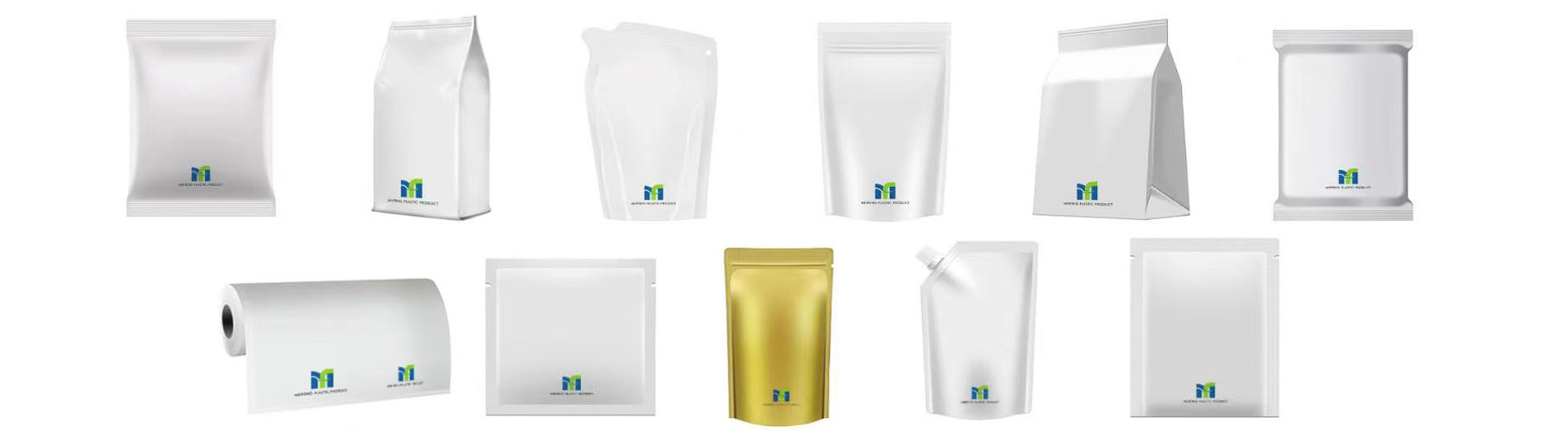
Different pouch formats may suit different product requirements:
- Three-side seal pouches: A common format for individual portions and products with relatively straightforward packaging requirements.
- Stand-up pouches: Provide a stable base for display, but their bottom construction and seals must be validated for retort conditions.
- Gusseted pouches: Offer additional capacity, although the folds and corner areas require careful evaluation.
The selected format should be tested with the intended filling weight and product consistency. A pouch that performs well when empty may behave differently after being filled and processed.
Validate the Complete Package Before Mass Production
Material specifications provide a starting point, but actual testing is necessary before approving a retort pouch structure. The complete package should be evaluated using the intended food, filling method, sealing settings, and retort conditions.
A practical validation process may include checking the pouch before and after sterilization, measuring seal strength, conducting leakage tests, and inspecting the laminate for delamination or deformation.
Additional testing may be needed to evaluate barrier performance, mechanical durability, and product compatibility. Shelf-life studies should also be designed around the food’s characteristics and the validated processing conditions.
It is important to distinguish packaging performance testing from food safety validation. A pouch that remains sealed after retort processing does not, by itself, prove that the food has received an adequate sterilization process. The scheduled thermal process must be established and validated separately by qualified food-processing professionals.
This distinction helps prevent packaging approval from being mistaken for complete product safety approval.
Define Customization Requirements Before Ordering
Custom retortable pouches food packaging may involve adjustments to material combinations, pouch dimensions, thickness, printing, and package format. These decisions should be based on the product and processing requirements rather than appearance alone.
Before requesting a customized structure, provide information about the food type, filling weight, retort conditions, target shelf life, storage environment, and preferred pouch format. This allows the packaging structure to be evaluated against the actual application.
Mfirstpack offers flexible packaging formats and material structures that can be considered for different food packaging needs. For retort applications, the material combination and pouch design should be confirmed according to the required processing conditions, with samples tested before a structure is approved for mass production.
Conclusion
Selecting retortable pouches food packaging requires more than checking whether a material can tolerate high temperatures. The complete pouch must maintain its layer structure, barrier performance, seal integrity, and mechanical strength after the intended sterilization process. By defining processing conditions, evaluating the filled package, and validating samples before mass production, users can reduce packaging risks and select a structure that better supports food quality and production requirements.
FAQs
1. Can any heat-resistant pouch be used for retort packaging?
No. Retort packaging requires a structure designed and validated for the specific combination of temperature, pressure, moisture, and processing time.
2. Why should retort pouches be tested after sterilization?
Heat and pressure may affect laminate bonding, barrier performance, pouch shape, and seal integrity. Post-retort testing helps identify these changes.
3. Which pouch formats can be used for retort applications?
Three-side seal, stand-up, and certain gusseted formats may be considered. Each design must be validated for the intended food and retort conditions.
4. Does a leak-free retort pouch guarantee food safety?
No. Package integrity and food sterilization are related but separate requirements. The thermal process must also be properly established and validated.
Post time: Nov-26-2026