


Retort pouch food has become a practical packaging option for ready-to-eat meals, meat, seafood, soups, sauces, and other shelf-stable products that require thermal processing. Compared with traditional cans or rigid containers, retort pouches are lightweight, space-efficient, and convenient to handle.
However, choosing a retort pouch is not simply about finding packaging that can withstand high temperatures. Food characteristics, filling weight, pouch format, processing conditions, and material structure all need to work together. The right packaging can help maintain product quality throughout processing, transportation, and storage.
Why Does Retort Pouch Food Require a Specialized Packaging Structure?
Unlike conventional food packaging, retort pouches must withstand thermal processing involving high temperatures, pressure, moisture, and cooling.
A retort pouch typically contains several functional layers. The outer layer provides mechanical protection and supports printing, while the barrier layer helps limit the transmission of oxygen and moisture. The heat-sealing layer is responsible for creating a reliable seal.
Different foods may require different material structures. For example, aluminum foil retort pouches can provide strong barrier protection, while transparent high-barrier retort pouches may be more suitable when product visibility is important.
The packaging structure should therefore be selected according to the actual food product and processing conditions rather than relying on one standard material for every application.
Does Food Type Affect Retort Pouch Selection?
Yes. The physical condition, formulation, and ingredients of the food can all affect packaging requirements.
Liquid foods may experience changes in internal pressure during thermal processing, making reliable sealing particularly important. Meat and seafood products may contain bones, shells, or other hard components that increase the risk of puncturing the pouch.
Foods containing oil, sauces, or a combination of solid and liquid ingredients can also create different requirements during filling and sealing.
When evaluating packaging for retort pouch food, it is useful to consider:
- Food type, physical condition, and formulation
- Fill weight and product dimensions
- Filling and sealing methods
- Retort temperature, processing time, and complete thermal cycle
- Required barrier, puncture resistance, and seal performance
Having these details available makes it easier to match the pouch structure with the actual production requirements.
Why Can Retort Pouches Deform During Processing?
During retort processing, the pouch is exposed to changes in temperature and pressure while the condition of the food inside may also change. Excessive filling, insufficient internal space, or unsuitable pouch dimensions can place additional stress on the package.
Pouch design also plays a role. Different fill weights and food formats require appropriate pouch length, width, and sealing areas. A pouch that is too small may make filling difficult, while an oversized pouch may reduce packaging efficiency.
For this reason, pouch dimensions should be determined based on the actual fill weight, food characteristics, and processing conditions rather than appearance alone.
What Is the Difference Between Aluminum Foil and Transparent Retort Pouches?
The main differences involve barrier performance and product visibility.
Aluminum foil structures provide strong protection against light, oxygen, and moisture, making them suitable for applications where high barrier performance is important.
Transparent high-barrier retort pouches allow the food inside to remain visible. This can be useful for products where color, texture, or appearance contributes to the overall presentation.
Therefore, not every retort pouch food product needs an aluminum foil structure. The appropriate option depends on the food characteristics, storage requirements, appearance, and thermal processing conditions.
How Should You Choose a Retort Pouch Format?
Pouch format affects more than appearance. It can influence filling, sealing, storage, shelf presentation, and ease of use.
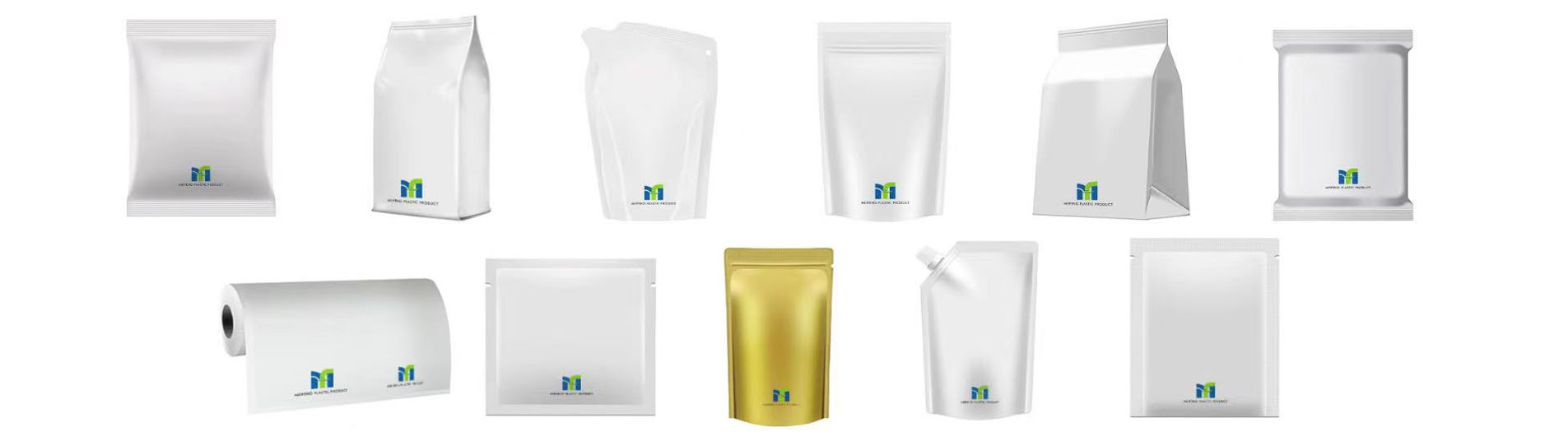
Flat and three-side-seal pouches provide relatively simple formats for a variety of food applications. Stand-up retort pouches can remain upright on the shelf and may be suitable for products where presentation and convenience are important.
For liquid foods, solid foods, or products containing both solids and liquids, pouch dimensions and format should be adjusted according to the actual fill weight and product characteristics.
Additional features, such as easy-open designs or specific opening formats, can also be considered when they match the intended use of the product.
Why Is Testing Important Before Full-Scale Production?
Material specifications alone cannot fully predict how a retort pouch will perform in actual production. The pouch must work together with the food, filling process, sealing equipment, and thermal processing system.
Before full-scale production, it is useful to conduct filling trials using the actual food product and process the pouches under conditions that closely match production.
After retort processing, the packaging can be evaluated for appearance, seal condition, layer adhesion, and overall integrity. This can help identify potential issues before they become production problems.
For a new retort pouch food product, practical testing can also help determine whether the selected pouch dimensions and material structure are suitable for the intended process.
How Can You Determine the Right Retort Pouch for Your Product?
The best retort pouch ultimately depends on the specific food and production requirements.
Once the food type, fill weight, pouch dimensions, and retort process are known, these details can be used to evaluate the appropriate material combination, barrier structure, pouch format, and sealing requirements.
For products that require strong barrier protection, an aluminum foil structure may be considered. When product visibility is important, a transparent high-barrier retort pouch may be more suitable. Pouch dimensions and formats can also be adjusted according to filling requirements and the intended way the package will be used.
This approach provides a more practical basis for packaging selection than choosing a pouch based only on the general food category.
Conclusion
Choosing packaging for retort pouch food involves more than selecting a material that can withstand high temperatures. Food characteristics, material structure, pouch dimensions, sealing performance, and thermal processing conditions all contribute to the final packaging performance.
Starting with the actual food and production requirements, then selecting the appropriate material structure and pouch format and validating them through practical retort testing, can help reduce packaging issues and improve reliability throughout processing, transportation, and storage.
FAQ
1. Is retort pouch food suitable for long-term shelf storage?
Food that has undergone appropriate thermal processing and is packaged in a suitable retort structure can be designed for shelf-stable storage. Actual shelf life depends on factors such as the food formulation, sterilization process, package integrity, and storage conditions.
2. What pouch formats are available for retort food packaging?
Depending on the fill weight, filling method, and intended use, retort packaging can be produced in formats such as flat pouches, three-side-seal pouches, four-side-seal pouches, and stand-up pouches. The format can affect filling efficiency, shelf presentation, and convenience.
3. Can retort pouches be custom printed?
Yes. Retort pouches can generally be customized in terms of dimensions, artwork, and printing. During design, the sealing areas, pouch dimensions, and processing requirements should also be considered to maintain practical packaging performance.
4. How should the size of a retort pouch be determined?
Pouch dimensions should be based on fill weight, food characteristics, filling method, and the space required for the top and side seals. Liquid, solid, and mixed food products may require different pouch proportions.
Post time: Oct-08-2026