


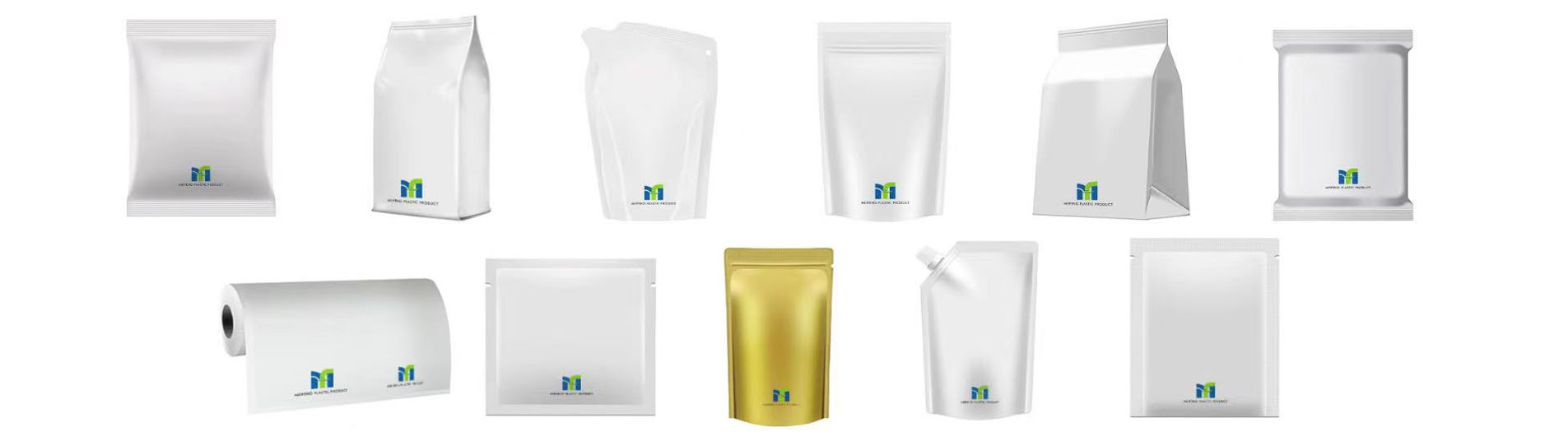
In today’s global food supply chain, ensuring product safety, long shelf life, and consistent quality is essential. Retort packaging material plays a vital role in enabling shelf-stable food products to withstand high-temperature sterilization while maintaining freshness, safety, and visual appeal. For B2B buyers in the food, beverage, and packaging industries, understanding retort packaging materials is key to making reliable and cost-effective packaging decisions.
What Is Retort Packaging Material?
Retort packaging material refers to high-performance flexible or semi-rigid packaging structures designed to endure retort processing—typically sterilization at temperatures between 110°C and 135°C under high pressure. This process eliminates harmful microorganisms, allowing food products to be stored at ambient temperatures without preservatives.
Unlike conventional packaging, retort materials must maintain structural integrity, seal strength, and barrier performance even after intense thermal treatment. They are widely used in ready-to-eat meals, sauces, soups, pet food, seafood, and processed meat products.
Typical Structure of Retort Packaging Materials
Retort packaging materials are usually multi-layer laminates, each layer serving a specific function:
• Outer layer (PET or Nylon) for mechanical strength, printability, and heat resistance
• Barrier layer (Aluminum foil or EVOH) to block oxygen, moisture, and light
• Inner sealing layer (CPP or PE) for food contact safety and strong heat sealing
This layered structure ensures both performance and compliance with international food safety standards.
Key Advantages of Retort Packaging Material for B2B Applications
For manufacturers and brand owners, retort packaging materials offer several commercial and operational benefits:
• Extended shelf life without refrigeration, reducing logistics and storage costs
• High food safety standards through reliable sterilization
• Lightweight and space-efficient compared to metal cans or glass jars
• Design flexibility for branding, portion control, and product differentiation
• Lower carbon footprint due to reduced transportation weight
These advantages make retort packaging an increasingly popular alternative to traditional rigid packaging formats.
Performance Requirements in Real-World Applications
In actual production and distribution environments, retort packaging materials must perform consistently across the entire product lifecycle. Key performance expectations include:
• Thermal stability before and after retort processing, preventing shrinkage or deformation
• Seal integrity and pressure resistance to avoid leakage during sterilization
• Puncture and flex resistance to reduce damage during transport and handling
• Print layer durability, ensuring graphics remain clear after high-temperature processing
• Batch-to-batch consistency for long-term, stable supply
From a B2B perspective, these performance factors directly impact production efficiency, product returns, and brand reputation.
Common Applications of Retort Packaging Material
Retort packaging materials are widely adopted across multiple food categories:
Ready-to-Eat and Convenience Foods
• Rice meals, pasta dishes, curries, and soups
• Retort pouches provide fast heating and easy consumption for modern lifestyles
Sauces and Condiments
• Tomato sauces, gravies, and cooking pastes
• Excellent oxygen barrier helps preserve flavor and color
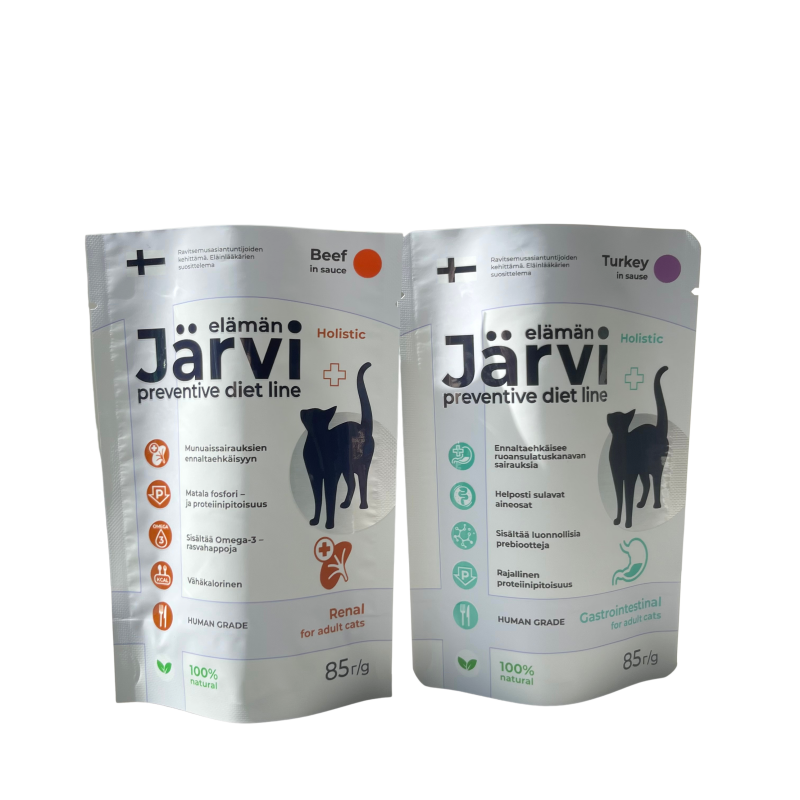
Meat, Seafood, and Pet Food
• Tuna, chicken, beef stews, and wet pet food
• High mechanical strength supports dense, protein-rich products
Institutional and Export Markets
• Military rations, airline catering, and overseas food exports
• Ambient storage simplifies international logistics
Key Factors When Selecting Retort Packaging Material
When sourcing retort packaging materials, B2B buyers should evaluate the following aspects carefully:
-
Retort temperature and time compatibility with the target product
-
Barrier performance requirements for oxygen, moisture, and light
-
Seal strength and seal consistency on existing filling lines
-
Material compatibility with current filling and sealing equipment
-
Compliance with FDA, EU, and local food safety regulations
-
Target shelf life and storage conditions
-
Cost-performance balance for long-term procurement
Close collaboration with packaging material suppliers, combined with pilot testing and validation, is essential for minimizing operational risk.
Sustainability Trends in Retort Packaging Materials
Sustainability is becoming a major focus in packaging development. Retort packaging materials are evolving to meet environmental expectations while maintaining performance:
• Reduced aluminum structures to improve recyclability
• Mono-material retort solutions compatible with recycling streams
• Thinner laminates that lower material usage and transportation emissions
• Water-based inks and adhesives for safer production
For B2B buyers, adopting more sustainable retort packaging materials can support regulatory compliance and enhance brand positioning.
Why Retort Packaging Material Matters for B2B Decision-Makers
From cost control to food safety and market expansion, retort packaging materials directly influence business outcomes. Choosing the right material helps manufacturers:
• Reduce cold-chain dependency
• Expand into export and e-commerce markets
• Improve production efficiency
• Maintain consistent product quality
• Strengthen consumer trust
As demand for shelf-stable and convenience foods continues to grow, retort packaging material remains a strategic investment rather than a simple packaging choice.
Conclusion
Retort packaging material is a cornerstone of modern shelf-stable food production. Its ability to withstand high-temperature sterilization while preserving product quality makes it indispensable across a wide range of food applications. For B2B buyers, understanding material structure, performance requirements, application scenarios, and sustainability trends is critical to selecting the right solution. By partnering with experienced suppliers and validating materials under real production conditions, businesses can achieve long-term stability, efficiency, and competitive advantage in global food markets.
FAQ
Q1: What is retort packaging material used for?
A: Retort packaging material is used for shelf-stable food products that require high-temperature sterilization, such as ready-to-eat meals, sauces, meat, seafood, and pet food.
Q2: Can retort packaging replace metal cans?
A: In many applications, yes. Retort pouches offer lighter weight, lower transportation costs, and greater design flexibility compared to traditional cans.
Q3: Is retort packaging material food-safe?
A: Yes. High-quality retort packaging materials are designed to meet FDA, EU, and other international food contact regulations.
Q4: How long can products in retort packaging be stored?
A: Depending on the product and material structure, shelf life typically ranges from 12 to 36 months under ambient storage conditions.
Post time: Dec-16-2025