


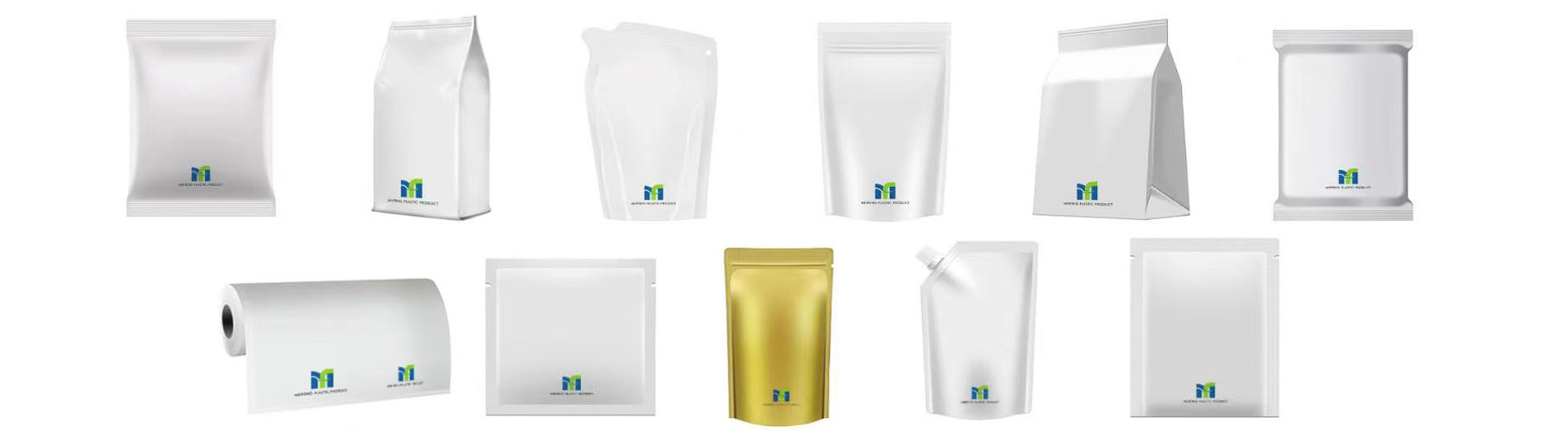
A retort pouch is designed to protect food after high-temperature processing, but its performance is not determined by the retort cycle alone. After production, packaged food may pass through warehouses, transport networks, and different climate zones. Temperature changes, humidity, light exposure, handling, and storage time can all influence the condition of the package.
For this reason, evaluating a Retort Pack means looking beyond heat resistance. The packaging structure must remain suitable throughout storage and distribution. Understanding these effects helps producers identify risks and plan suitable storage practices.
Temperature Fluctuations Can Affect Material Performance
Products may move from controlled warehouses into areas with warmer or colder conditions. Repeated temperature changes can affect both food and packaging.
Flexible packaging materials respond differently to temperature. Some layers may become less flexible in cold conditions, while elevated temperatures can influence the mechanical behavior of films, adhesives, and sealant layers. The response depends on material combination, construction, and exposure time.
Temperature changes can also affect the contents. Different food components may expand or contract at different rates, potentially changing the pressure inside the pouch. A properly designed package should accommodate expected conditions, but repeated or extreme fluctuations may place additional stress on its structure.
The key question is whether a Retort Pack remains suitable across the temperature range expected during storage and distribution. Testing should reflect realistic conditions, not one temperature point.
Humidity and Moisture Exposure Need Attention
Moisture can affect packaging condition through condensation, damp storage areas, or contact with wet surfaces during handling. The effect depends on the materials. Repeated exposure may affect surface appearance, labels, cartons, or material performance. Certain films and printed or laminated outer layers may be more sensitive to moisture than others, so the complete packaging structure needs to be considered.
Condensation deserves particular attention when products move between environments with different temperatures. A cold package entering a warm, humid area may develop moisture on its surface. This does not automatically mean that the barrier layer has failed, but it can complicate carton handling, labeling, and visual inspection.
Storage plans should consider humidity alongside temperature. Keep cartons off wet floors, prevent direct water contact, and maintain air circulation. Moisture resistance varies among packaging structures, so storage procedures should match the selected materials.
Light Exposure Can Affect Appearance and Product Protection
Light is another storage variable. Some food ingredients are sensitive to it, and prolonged exposure may change color, flavor, or overall quality. Retort packaging can incorporate barrier layers that reduce light transmission, but the level of protection depends on the selected structure. Opaque and foil-containing materials generally provide different light protection from transparent or partially transparent films. The choice depends on product sensitivity and storage conditions.
Light can also affect the printed surface. Extended exposure to sunlight or strong artificial lighting may cause fading or changes in appearance, depending on the inks and outer materials. Although this does not necessarily indicate a loss of food protection, unclear printing can reduce shelf presentation and make product information harder to read. For long-stored or displayed products, evaluate both protection and appearance. The pouch should preserve presentation and keep product information legible.
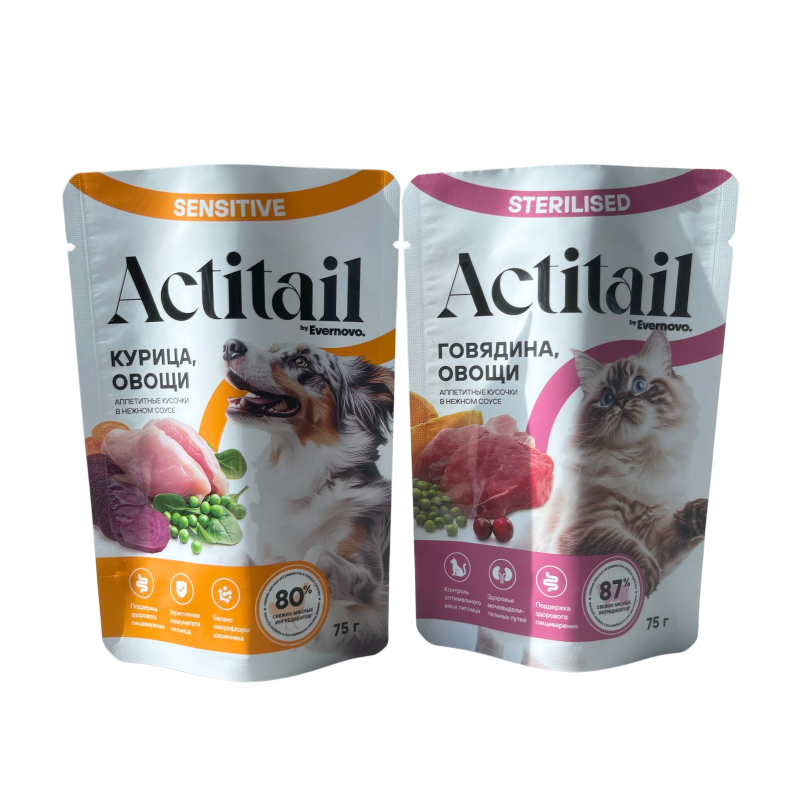
Distribution Can Introduce Repeated Mechanical Stress
A pouch may perform well in storage but face mechanical stress during distribution as cartons are stacked, moved, compressed, and vibrated.
Excessive compression can change how flexible packages sit inside cartons. Sharp edges, poor product arrangement, or too much pressure may create localized stress. During transportation, vibration and movement can cause pouches to rub against one another or against the inside of shipping containers.
Risk depends on pouch dimensions, filling volume, carton strength, and product arrangement. A flexible pouch that performs well individually may still need suitable secondary packaging to reduce damage during long-distance delivery.
For this reason, Retort Pack evaluation should consider the complete distribution system. Representative stacking, vibration, and handling simulations can be followed by inspections for scuffing, punctures, delamination, or changes around sealed edges. These checks provide a more realistic picture than examining unused samples alone.
Storage Duration Should Guide Performance Testing
A package that remains intact after a short storage period is not automatically suitable for a much longer one. Material performance, food characteristics, and environmental exposure all influence how a packaged product changes over time. Long-term evaluation should distinguish between package condition and food quality. A pouch may look unchanged while the food’s flavor, color, texture, or nutritional characteristics gradually change. Conversely, a visible change in the outer package does not always mean that the food protection system has failed.
A useful testing plan includes several checkpoints rather than a single final inspection. Depending on the product and intended shelf life, these checks may include:
- Package integrity: Inspect for leakage, punctures, seal changes, and visible layer separation.
- Material condition: Observe flexibility, surface appearance, and print quality.
- Food quality: Evaluate relevant sensory and product-quality indicators.
- Storage records: Track temperature, humidity, and unusual exposure during the test period.
Whenever possible, testing should use the actual food, final packaging structure, and intended storage conditions. Accelerated aging can help compare material options, but it should not automatically replace real-time shelf-life validation. The method should match the product and the claims being made.
Storage Planning Should Start Before Packaging Is Selected
Considering storage only after choosing packaging can create avoidable limitations. A pouch designed for one distribution environment may not be suitable for products traveling through regions with large temperature variations or remaining in warehouses for extended periods. Packaging decisions should account for where goods will be stored, warehouse duration, transport conditions, and retail display.
Handling requirements also matter. If products will be stacked for long periods, evaluate pouch shape and carton arrangement together. If they may encounter humid conditions, consider how secondary packaging and warehouse procedures can reduce moisture exposure. This connects packaging design with actual distribution needs before production.
Developing a Retort Packaging Solution for Real Storage Requirements
Selecting a suitable Retort Pack involves more than choosing a pouch that withstands high-temperature processing. Food characteristics, packaging structure, storage conditions, and distribution requirements should be considered together. Products intended for long-distance transportation or extended storage may require a different material combination and construction from those with shorter distribution cycles.
Customization should begin with a clear understanding of the product and its intended use. Food composition, filling temperature, retort conditions, expected shelf life, and transportation environment can help determine an appropriate pouch structure. Dimensions, pouch style, material combinations, and printing requirements should also be considered during development.
For food brands looking for flexible packaging, Meifeng offers retort pouches, other food packaging formats, and flexible packaging films. Its capabilities include packaging research and development, digital printing, and quality assurance supported by inspection equipment. These services provide a basis for discussing packaging structures and customization requirements for different applications.
Before finalizing a Retort Pack, share product details, processing conditions, target storage environments, and packaging specifications with the packaging team. Sample evaluation and clear communication about actual application requirements can help identify a suitable option. The goal is not simply to produce a pouch that passes the retort process, but to develop packaging that supports product protection, consistent appearance, and reliable handling throughout storage and distribution.
Conclusion
Changing storage conditions can affect a retort pouch in several ways, from material flexibility and surface appearance to mechanical durability during distribution. Temperature, humidity, light exposure, and storage duration should therefore be considered as connected parts of packaging performance.
A reliable Retort Pack should be evaluated under conditions that reflect its actual journey. Suitable material selection, realistic testing, and practical storage planning help maintain package integrity and food quality throughout the intended shelf life.
FAQs
1. Can retort pouches be stored in cold warehouses?
That depends on the material structure and the product’s storage requirements. Evaluate the pouch at the expected low-temperature range to confirm that its flexibility and integrity remain suitable.
2. Does condensation mean a retort pouch has lost its barrier protection?
Not necessarily. Surface condensation does not automatically indicate barrier failure, but repeated moisture exposure should be managed and the package condition inspected.
3. Should packaging be inspected after transportation simulations?
Yes, when distribution involves stacking, vibration, or repeated handling. Post-simulation inspection can reveal damage that may not appear during basic storage tests.
4. Is accelerated aging enough to confirm the full shelf life?
Not always. Accelerated testing can support material comparison and preliminary evaluation, but real-time testing under relevant conditions may still be needed to validate shelf-life performance.
Post time: Nov-05-2026