


The global food industry is undergoing a major transformation driven by changing consumer behavior, rising logistics complexity, and a rapidly expanding demand for shelf-stable, ready-to-eat products. As food manufacturers move away from traditional metal cans and glass jars toward flexible, cost-efficient alternatives, retort food packaging has emerged as one of the most reliable, scalable, and technologically advanced packaging solutions.
Retort technology not only preserves food for extended periods without refrigeration, but also ensures safety, improved flavor retention, efficient transportation, and reduced operational costs. From contract manufacturers and OEM processors to private-label brands and exporters, companies across the supply chain are increasingly relying on retort packaging to optimize product safety and reduce logistics risk.
This article breaks down the value of retort food packaging, how it works, the materials involved, key industry applications, and why it is becoming the preferred packaging choice for global food supply chains.
What Is Retort Food Packaging and How Does It Work?
Retort food packaging uses heat-sterilizable integrated materials that can withstand high-temperature processing. Foods are filled into the package, vacuum-sealed, and then exposed to thermal sterilization under pressurized conditions. This process allows the product to remain safe and stable for months or even years at room temperature.
Key technical features:
• Thermal resistance during sterilization at 116–130°C
• Extremely high barrier performance against oxygen and moisture
• Hermetic sealing to eliminate contamination
• Retains food freshness, texture, and nutrients
• Longer shelf life without preservatives
Because the package can endure harsh sterilization conditions, food manufacturers benefit from extended shelf life without compromising product quality.
Why Retort Food Packaging Is Becoming an Industry Standard
Food manufacturers, retail brands, and food distributors are facing more pressure than ever to reduce transportation risk, achieve longer distribution ranges, and maintain food safety. Retort packaging directly supports these goals.
Major advantages include:
• Exceptional shelf-life stability
• No refrigeration required
• Lower dependency on cold-chain infrastructure
• Lightweight and space-saving design
• Reduced carbon footprint and logistics cost
• Improved convenience for end customers
For international food exporters, the ability to avoid cold storage and reduce packaging weight directly translates into cost savings and better supply-chain performance.
Key Types of Retort Food Packaging
To support different processing methods and handling requirements, retort technology is available in multiple packaging formats:
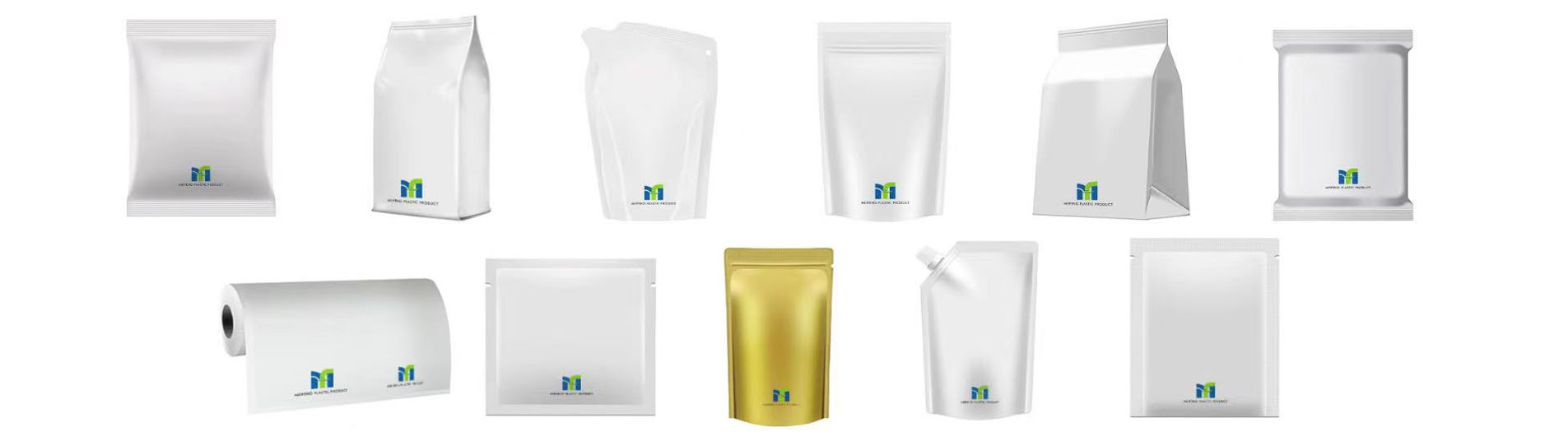
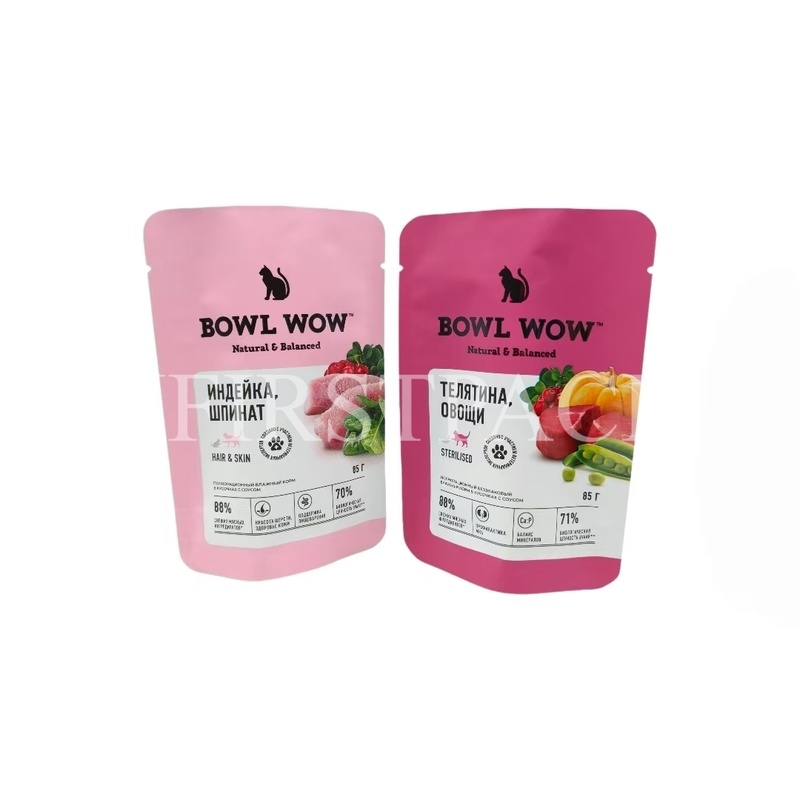
• Retort pouches and flexible laminated packaging
• Stand-up bags and gusset bags
• Retort trays for premium food presentation
• Semi-rigid retort containers and bowls
• Vacuum retort packaging
Each configuration is designed to serve a specific food category—either fully ready meals, liquid foods, or high-viscosity products.
Applications Across the Food Industry
Retort food packaging is used in a wide range of product categories, especially in segments that require long shelf life:
• Ready-to-eat meals, MREs, and emergency food supplies
• Meat, poultry, seafood, soups, and broths
• Baby food and infant nutrition
• Sauces, curries, beans, vegetables, and rice products
• Plant-based protein products and vegan meals
• Outdoor camping and military rations
These foods require both sterilization and shelf stability, making retort packaging essential for long-distance distribution.
Material Innovation and Packaging Technology
The success of retort packaging is heavily dependent on material engineering. Most retort structures are built with multi-layer laminated films designed to protect food against heat, oxidation, and mechanical stress.
Common material combinations include:
• PET for strength and printing
• Aluminum foil or metallized film for barrier protection
• Polypropylene for heat-seal performance
• Nylon for puncture resistance
These multi-layer structures combine the durability of industrial materials with the flexiblity needed for sealing, pouch forming, and heat resistance.
How Retort Packaging Enhances Food Safety
Food safety is a priority for global food companies and retail brands. Retort processing prevents microbial contamination, maintains flavor and texture, and prevents spoilage across long shipping cycles.
Retort packaging guarantees:
• Destruction of harmful microorganisms
• Protection against moisture and oxygen penetration
• Preservation of nutritional value and flavor profile
• Shelf-life extension without additives
This allows food to be shipped and stored without spoilage, even under variable transportation conditions.
Logistics and Supply Chain Advantages
One of the strongest commercial benefits of retort food packaging is its impact on logistics and storage.
Key supply-chain improvements:
• Lower transportation and storage costs
• Reduced breakage compared to glass jars
• Space-efficient palletization and warehousing
• Lighter weight for international freight
• No refrigeration required
For exporters and large-scale food distributors, eliminating cold-chain dependency can reduce cost by 30–50%.
Sustainability and Environmental Benefits
Compared to heavy, rigid containers, retort packaging uses significantly less material and reduces waste.
Sustainability advantages:
• Lower fuel consumption during transport
• Lower packaging material waste
• Enhanced recyclability with advanced films
• Reduced carbon emissions
• Lower energy consumption during sterilization
These qualities support corporate sustainability goals and international environmental compliance requirements.
Retort Packaging for OEM and Contract Manufacturers
Retort packaging is particularly attractive for OEM food producers, private-label brands, and co-manufacturers.
Business and OEM benefits:
• Flexible design and customization
• Supports new product development
• High-quality branding and print surface
• Compatible with automated filling lines
• Ideal for expanding export business
Its durability and visual appeal also make it suitable for retail, convenience food, e-commerce, and military supply channels.
Selecting the Right Retort Food Packaging
For procurement teams and food manufacturers, choosing the appropriate packaging depends on multiple performance requirements:
-
Food category and texture
-
Shelf-life and storage specifications
-
Temperature and sterilization conditions
-
Barrier requirements and oxygen protection
-
Fill volume and machine compatibility
-
Branding and product positioning
Choosing the right packaging structure helps minimize failure risks and preserve product integrity.
The Market Outlook and Future Trends
As the demand for shelf-stable food continues to rise, retort packaging is set for exponential growth. Key innovation areas include:
• Fully recyclable retort film structures
• Bio-based materials to replace aluminum foil
• Smart packaging for freshness tracking
• High-performance sealing and lightweight design
The technology is expected to expand further into e-commerce delivery, emergency food supply, sustainable packaging, and ready-meal distribution.
Conclusion
Retort food packaging is more than a packaging trend—it is a world-class technology that enables food brands, OEM processors, private labels, and exporters to achieve extended shelf stability, food safety, and global distribution efficiency. It supports long-distance logistics, reduces cold-chain reliance, protects product freshness, and lowers transportation cost.
As the global food industry shifts toward convenience and safety, retort packaging will continue to shape the future of food processing. With the right retort materials, machinery, and packaging structure, food manufacturers can improve product quality, maintain operational efficiency, and achieve higher ROI across the entire supply-chain network.
FAQ
1. What type of food is suitable for retort packaging?
Ready meals, baby foods, sauces, soups, meats, and plant-based products.
2. Does retort packaging require refrigeration?
No. It enables long-term storage without cold-chain infrastructure.
3. What materials are used in retort packaging?
PET, PP, aluminum foil, nylon, and multilayer laminated structures.
4. Is retort packaging cost-effective for food manufacturers?
Yes. It lowers logistics, storage, and transportation cost and improves shelf stability
Post time: Dec-02-2025