


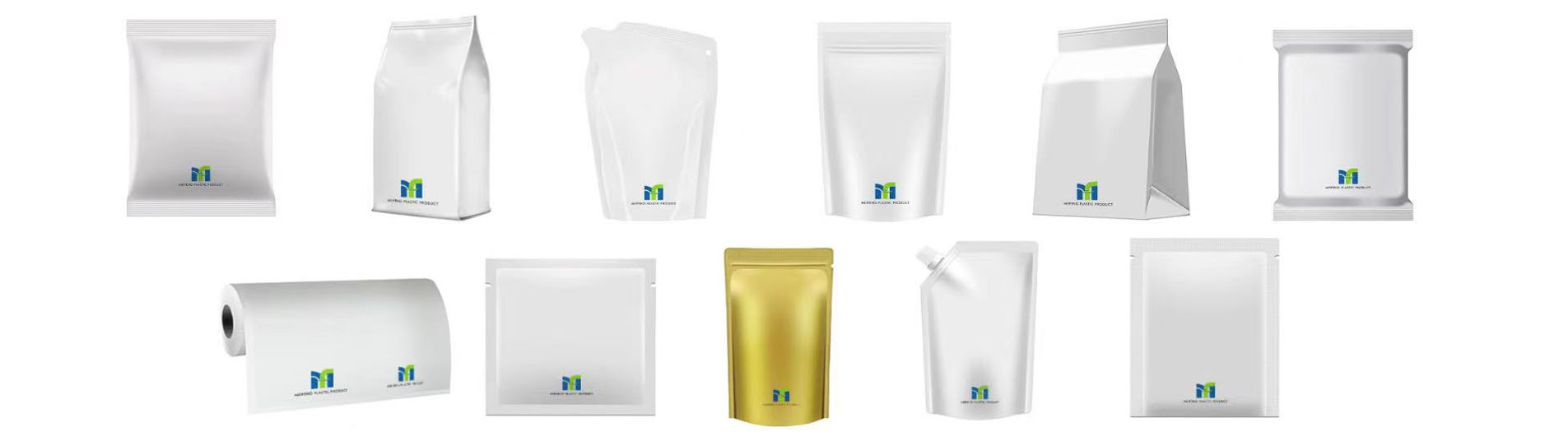
Retort containers are a critical component in today’s food production, sterilization, and shelf-stable packaging industry. As global demand for ready-to-eat food, meal kits, dairy products, and high-temperature sterilization packaging continues to increase, retort packaging technology has become essential for maintaining product quality, extending shelf life, and ensuring food safety. For B2B companies in food processing, canning, packaging machinery manufacturing, and sterile-food distribution, choosing the right retort container is not just a packaging decision—it is a strategic investment in product reliability, efficiency, and compliance.
What Is a Retort Container?
A retort container is a heat-resistant packaging solution designed to withstand high-temperature sterilization, typically ranging from 115°C to 135°C (240°F to 275°F). These containers are used in retort machines or autoclaves to eliminate harmful microorganisms while preserving flavor, texture, and nutrition.
Key features include:
• Resistant to high internal pressure during thermal processing
• Suitable for steam, water spray, and rotary retort systems
• Maintains structural integrity during sterilization
• Designed for aseptic protection and extended shelf stability
• Compatible with a wide range of fill products and viscosity levels
Because retort containers preserve quality without refrigeration, they are widely used in commercial food supply chains and export packaging.
Advantages of Using Retort Containers
Retort containers deliver multiple benefits to food producers, packaging companies, and processing plants. Their reliability during high-temperature sterilization enables safe and cost-effective mass production.
Main advantages:
• Extended shelf life without preservatives
• Improved product safety and contamination protection
• Cost-effective logistics and long-distance transportation
• Compatible with fully automated filling lines
• Excellent sealing performance to prevent leakage
• Suitable for metal cans, trays, pouches, and plastic containers
These advantages make retort containers suitable for both low-acid and high-acid food products.
Industrial Applications Across the Food and Manufacturing Sectors
Retort containers are widely used in commercial and industrial food packaging due to their durability, design flexibility, and compliance with global health and safety standards.
Common applications include:
• Ready-to-eat meals, soups, and sauces
• Meat, poultry, pet food, and seafood packaging
• Dairy products and baby food
• Canned vegetables and fruit
• Meal kits and convenience foods
• High-temperature packing and sterilization lines
They are also widely used in exporting shelf-stable food products and military or emergency ration manufacturing.
Material Options and Structural Design
Material selection is crucial to the performance and safety of retort packaging. The choice depends on product type, filling method, retort equipment, and sterilization process.
The most common materials include:
• Metal—aluminum or tinplate for cans and lids
• Plastic—PP, PET, and high-temperature multilayer laminated films
• Composite packaging for flexible or semi-rigid containers
Important design variables:
• Heat resistance and temperature tolerance
• Barrier property against moisture, oxygen, and UV
• High-strength sealing and pressure resistance
• Product compatibility and fill-weight capability
Modern retort containers offer excellent mechanical strength while minimizing packaging cost and weight.
Types of Retort Containers
Different retort containers are suitable for different processing systems and product types.
Common categories include:
-
Metal retort cans
-
Plastic retort containers and trays
-
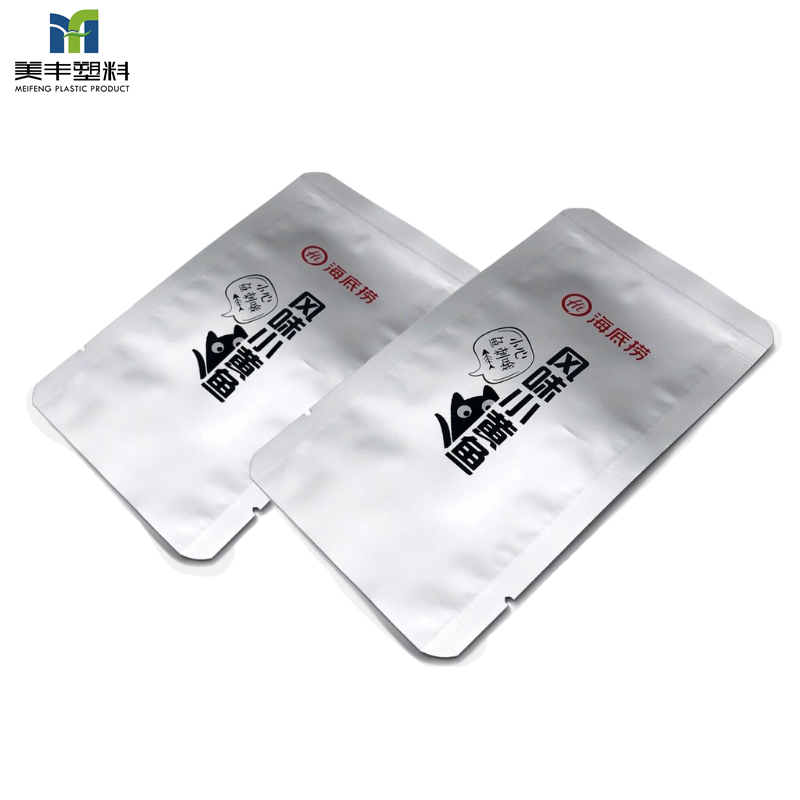
Retort pouches
-
Composite or multi-layer containers
Each type provides unique structural integrity and seal performance for thermal processing.
Retort Processing Compatibility
Retort containers must match the appropriate sterilization technology.
Compatible sterilization methods include:
• Steam retort
• Water immersion retort
• Water spray retort
• Rotary retort technology
Proper compatibility ensures uniform product sterilization, safety, and regulatory compliance.
Why Retort Containers Improve Food Safety and Shelf Life
Retort packaging is one of the most effective ways to maintain food freshness and prevent contamination during transportation and storage. Unlike conventional packaging, retort containers maintain internal quality under high heat and pressure.
Safety and quality benefits:
• Eliminates pathogens and microorganisms
• Preserves flavor, nutrients, and product texture
• Prevents spoilage caused by oxygen or moisture
• Ensures long shelf life without refrigeration
Longer shelf life allows food brands to expand into new markets and reduce operational waste.
Factors to Consider When Choosing a Retort Container
Choosing the right container requires evaluating technical, regulatory, and production factors.
Key considerations:
-
Temperature and pressure resistance
-
Container material and barrier performance
-
Compatibility with retort machinery
-
Required shelf life and storage environment
-
Container shape and sealing design
-
Production line speed and automation level
-
Industry regulatory compliance (FDA, EU standards, etc.)
Correct container selection helps reduce risk and improve overall efficiency.
Why Retort Packaging Continues to Grow in Global Demand
Several market and industry trends drive the increasing demand for retort containers:
• Rising consumption of ready-to-eat and shelf-stable foods
• Growing export and long-distance shipping requirements
• Stricter food-safety regulations
• Expansion of automated packaging lines
• Increased demand for lightweight, recyclable packaging
Retort containers offer flexibility, reduced operational cost and improved food safety, which makes them highly competitive in global markets.
Conclusion
Retort containers have become a crucial element in industrial food packaging, sterilization, and shelf-stable supply chains. With high heat resistance, structural integrity, reliable sealing performance, and compatibility with automated packaging systems, retort containers enable safe and efficient food production for global markets. As the food industry continues to evolve, retort container technology will remain a core component of modern packaging solutions.
FAQ
What is a retort container used for?
It is used for high-temperature sterilization of food products such as meat, sauces, baby food, and ready-to-eat meals.
What materials are used in retort containers?
Metal, plastics, laminated films, and composite materials.
Can retort containers improve product shelf life?
Yes. They extend shelf life, prevent contamination, and eliminate microorganisms without refrigeration.
Are retort containers compatible with automated production lines?
Yes. Retort containers are widely used in automated filling, sealing, and sterilization equipment.
Post time: Dec-02-2025