


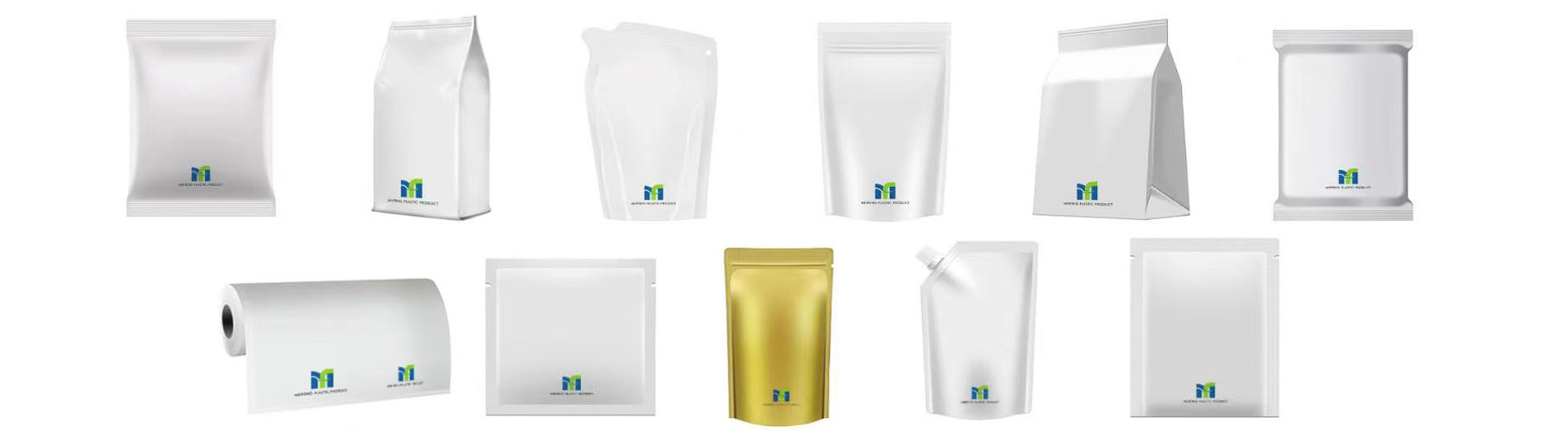
Stand up pouches are widely used for snacks, coffee, powders, pet food, and liquid products. However, choosing the right pouch involves more than estimating its capacity. Product characteristics, storage conditions, filling equipment, sealing requirements, and consumer habits all influence the final packaging design. A pouch suitable for one product may not work equally well for another, even when their net weights are similar. Understanding these differences helps determine the appropriate pouch structure, material combination, dimensions, and functional features before production begins.
Why Does Product Type Influence Pouch Design?
The physical properties of a product affect both filling performance and its behavior inside the package. Powders may create dust during filling, granular products can place pressure on the pouch base, and liquids require particular attention to leakage prevention. Products sensitive to moisture, oxygen, or light also need suitable protection during storage and distribution.
For example, coffee packaging may need to preserve aroma and limit oxygen exposure, while nuts require consideration of moisture and oxidation. Dry pet food may demand greater mechanical strength because of its weight and repeated handling. Liquid products introduce different requirements, including fitment placement and resistance to pressure during transportation.
Packaging should therefore be designed around the product rather than selected solely by appearance or nominal capacity. Identifying potential risks during filling, storage, and use provides a more reliable starting point.
How Does the Bottom Gusset Affect Stability and Capacity?
The bottom gusset allows a pouch to expand when filled, creating a supporting base that helps it stand upright. Stability depends not only on gusset width but also on pouch height, body width, product weight, and the distribution of contents.
A tall pouch with a narrow base may tip more easily when filled unevenly. Heavier products may require a structure that distributes weight effectively, while lightweight products with greater volume need a suitable balance between pouch height and base dimensions.
Capacity must also be distinguished from net weight. Products with the same weight can occupy different amounts of space because their densities, shapes, and packing behavior vary. Loose snacks, fine powders, and dense granules therefore may require different pouch sizes.
When selecting Stand Up Pouches, evaluate the filled package rather than the empty bag alone. Sample filling helps determine whether the gusset opens properly, the pouch stands securely, and enough space remains for sealing. These checks provide a more reliable basis for confirming dimensions than volume estimates alone.
Which Material Properties Matter Most?
Material selection should reflect product sensitivity and expected storage conditions. Flexible packaging often combines multiple layers that contribute barrier protection, mechanical strength, printability, and heat-sealing performance. The goal is to meet the application’s requirements without adding unnecessary complexity.
Moisture-sensitive products need suitable water vapor protection, while oxidation-sensitive products may require stronger oxygen barriers. Light-sensitive contents may benefit from opaque or light-blocking materials. Products with hard edges or substantial weight also require attention to puncture resistance and durability during transportation. The material must be compatible with the sealing process. Its inner layer needs to perform within the available temperature, pressure, and sealing-time conditions. A mismatch between material properties and equipment settings can lead to weak seals, wrinkles, or inconsistent results.
Different applications require different structures. Transparent materials may suit products that benefit from visibility, while foil-containing or metallized structures may be considered when stronger light protection is necessary. Recyclable mono-material options may also be evaluated, provided their barrier performance and suitability for the product are verified.
For Stand Up Pouches, the appropriate material depends on product protection, expected shelf life, handling conditions, and processing requirements. Thickness alone does not determine packaging performance.

How Do Closures Affect Product Use and Sealing?
Closure design influences both the initial seal and how consumers access the contents after opening. Heat seals, resealable zippers, and spouts serve different purposes and should be selected according to the product’s form and intended use.
Heat sealing creates the primary closure before the package reaches the consumer. Its reliability depends on material properties and consistent processing. If powder, oil, or small particles contaminate the sealing area during filling, seal integrity may be compromised even when the equipment settings appear correct.
Resealable zippers are useful for products consumed over several occasions. However, they do not replace the original heat seal, and their performance depends on proper alignment and keeping the closure area clean. For liquids and sauces, spouts can simplify dispensing, but their placement and attachment must be assessed for leakage risk and filling compatibility. Closure options should be considered before final dimensions are confirmed. Zippers and spouts occupy space and can affect filling, sealing, and package layout. Early planning helps prevent unnecessary changes to pouch dimensions or production settings.
What Should Be Checked Before Confirming Pouch Dimensions?
Pouch dimensions must accommodate the product, sealing area, closure, and filling equipment. Net weight is only one factor. Product volume, density, shape, and filling behavior also determine the required internal space.
Width and height influence package proportions and display area, while the bottom gusset affects expansion and stability. The top section must leave enough room for heat sealing or other closure features. A pouch may hold the intended quantity but still be unsuitable if its opening is too narrow for filling or its sealing area is insufficient. Production equipment matters as well. Manual filling and automated packaging lines can have different requirements for pouch opening, positioning, and sealing. A sample that works during hand filling may not perform consistently at production speed.
Before confirming a specification, check the target fill quantity, actual product volume, opening dimensions, closure placement, sealing area, and equipment compatibility. Testing with the actual product is particularly useful when its density or flow behavior is difficult to estimate.
How Can Packaging Requirements Be Evaluated?
A practical assessment begins by separating essential performance requirements from optional design features. This clarifies which decisions affect product protection and production reliability and which mainly influence convenience or appearance.
- Product and storage conditions: Identify the product form, fill quantity, sensitivity to moisture, oxygen, or light, expected shelf life, and typical storage environment.
- Filling and sealing requirements: Confirm the filling method, equipment limitations, sealing conditions, and the possibility of product residue contaminating the seal.
- Handling and presentation: Consider package weight, transportation conditions, standing stability, repeated opening, product visibility, and the need for zippers or spouts.
These requirements should be considered together because one design change can affect another. Adding a zipper, for example, may reduce the available filling height, while a different barrier structure may change the pouch’s flexibility or sealing conditions.
Sample testing should go beyond checking whether the product fits. Evaluate how the pouch fills, expands, stands, seals, and withstands normal handling. Where product protection is critical, relevant barrier and seal tests can provide additional evidence before larger production runs.
Finding a Packaging Solution for Your Product
When a standard pouch does not fully meet a product’s requirements, adjustments to its structure, material combination, closure, or printing method may provide a better fit. Mfirstpack offers customizable flexible packaging options, including stand-up pouches with different bottom structures, resealable zippers, spouts, and material configurations. Digital and gravure printing can also be considered according to order volume and design requirements.
Before deciding on a final specification, define the product type, target capacity, barrier requirements, filling conditions, and preferred appearance. Sample development and product-package compatibility testing can then help determine whether the proposed pouch performs as expected. This approach bases packaging decisions on actual application needs rather than appearance or capacity alone.
Conclusion
Choosing suitable stand up pouches requires a coordinated assessment of product characteristics, bottom-gusset stability, material performance, closure design, and dimensions. By defining the product’s requirements and validating the proposed design through sample filling and relevant testing, it becomes easier to develop packaging that performs reliably during production, storage, transportation, and everyday use.
FAQs
1. Can the same stand-up pouch be used for different products?
Sometimes, but compatibility depends on product volume, weight, sensitivity, and storage requirements. Products with different barrier or sealing needs may require different materials or dimensions.
2. How can the required barrier level be determined?
Consider the product’s sensitivity to oxygen, moisture, and light, along with its expected shelf life and storage conditions. Relevant barrier testing can help verify whether the proposed material structure meets these requirements.
3. Why can products with the same net weight require different pouch sizes?
Their densities, shapes, and packing behavior may differ. A lightweight, bulky product can occupy more space than a denser product of the same weight, making actual fill volume important when confirming dimensions.
4. Why is sample testing important before mass production?
Sample testing helps assess capacity, standing stability, and sealing performance. Testing on the intended equipment can also reveal issues related to filling speed, seal consistency, and handling that may not appear during manual trials.
Post time: Oct-22-2026