


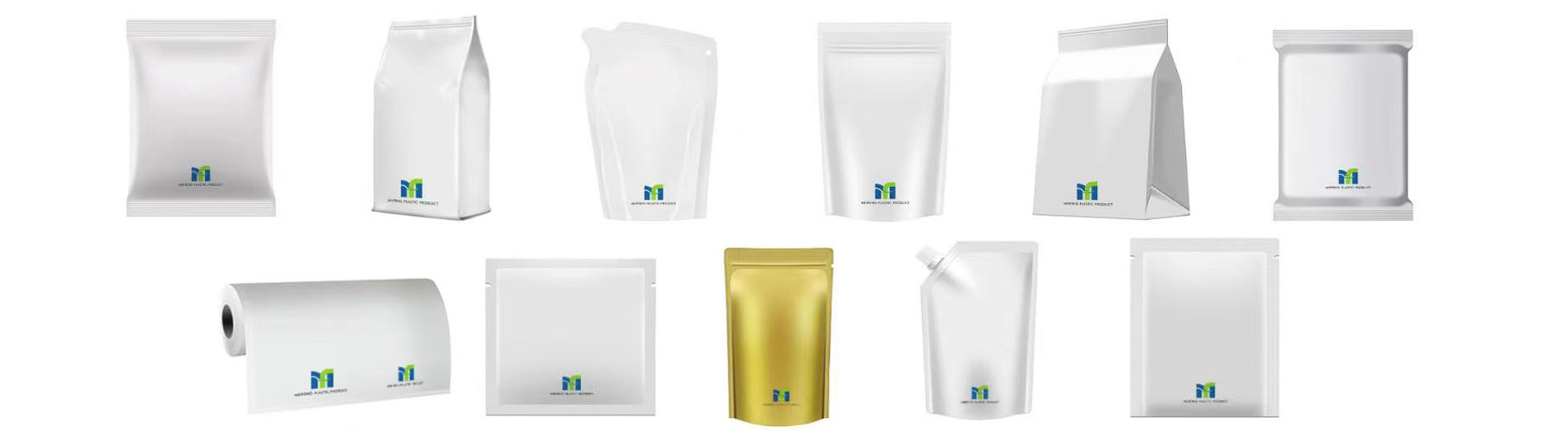
High Barrier Bags help protect products from external conditions that can affect freshness, stability, and shelf life. They are widely used for coffee, snacks, powdered foods, pet treats, and other products sensitive to oxygen, moisture, or light. However, selecting suitable packaging involves more than comparing film thickness. Two bags with similar thicknesses may deliver different results because their material layers, barrier properties, sealing performance, and intended applications vary. Understanding these differences helps determine whether a packaging structure provides the protection a product actually needs.
How Does Material Structure Affect Barrier Performance?
Flexible packaging often consists of multiple layers, each serving a specific purpose. An outer layer may provide printability and mechanical strength, a middle layer may deliver barrier protection, and an inner layer may support heat sealing. The overall performance of High Barrier Bags depends on how these layers work together rather than on total thickness alone. A thicker structure does not automatically provide better oxygen or moisture resistance if its material composition is unsuitable for the product.
For example, aluminum foil can provide strong protection against oxygen, moisture, and light when incorporated into a suitable laminate. Metallized films can also improve barrier performance, while certain transparent structures allow consumers to see the contents. Each option has different characteristics, so material selection should reflect the required protection, package appearance, processing conditions, and intended use.
Why Do Oxygen and Moisture Barriers Matter?
Oxygen and moisture affect products in different ways. Oxygen can contribute to oxidation, potentially changing the flavor, aroma, color, or nutritional quality of sensitive foods. Moisture can soften crispy products, cause powders to clump, or alter the texture of dry ingredients. The barrier requirements for High Barrier Bags depend on product sensitivity and the intended shelf life. Coffee, nuts, freeze-dried foods, and powdered drink mixes may require different protection even when they use similar pouch formats.
Light exposure can also affect certain products. In these cases, opaque or light-blocking materials may be more appropriate than transparent alternatives. Packaging decisions should therefore consider oxygen, water vapor, and light together rather than focusing on a single performance indicator. Identifying the main quality risks during storage and transportation provides a practical starting point. This helps establish the necessary material properties without adding unnecessary features while overlooking other important protection requirements.
Does Greater Thickness Always Mean Better Protection?
Thickness can influence stiffness, durability, and resistance to physical damage, but it does not fully determine barrier performance. A thicker film may allow more oxygen or water vapor to pass through than a thinner film containing a more effective barrier layer. This distinction matters because packaging must perform several functions simultaneously. It needs to protect the contents, withstand handling, maintain seal integrity, and run reliably on filling equipment. Increasing thickness without evaluating these requirements may add material without solving the main packaging problem.
When comparing High Barrier Bags, two useful measurements are oxygen transmission rate (OTR) and water vapor transmission rate (WVTR). These indicate how much oxygen or water vapor passes through a material under specified test conditions. Lower transmission rates generally indicate stronger resistance to the measured substance. However, results must be interpreted in context. Temperature, humidity, material composition, and testing methods can influence comparisons. Material specifications should not be treated as a universal guarantee of finished-package performance under every storage condition.
How Can Sealing Affect High Barrier Bags?
Even a high-performance material cannot compensate for a defective seal. If powder, oil, or product particles contaminate the sealing area, the closure may become weak or incomplete. Wrinkles, uneven pressure, unsuitable sealing temperatures, and insufficient sealing time can also compromise package integrity.
This creates an important distinction between the barrier properties of the film and the performance of the finished bag. Although High Barrier Bags may use materials that resist oxygen and moisture effectively, air or moisture can still enter through an inadequate seal. This risk is particularly relevant to fine powders, oily snacks, and products that leave residue around the pouch opening during filling. Appropriate equipment settings, clean sealing surfaces, and consistent processing conditions help reduce these problems.
Testing should therefore examine the finished package rather than relying exclusively on film specifications. Depending on the application, seal strength, leakage resistance, and package integrity may need to be checked before production requirements are finalized.
Which Products Need Different Barrier Structures?
Different products create different packaging challenges. Matching the material structure to the application is more reliable than assuming one construction will suit every product.
- Coffee and nuts: These products may be sensitive to oxygen exposure, while moisture protection also helps maintain quality. Aroma retention and the intended storage period influence material selection.
- Powders and dry mixes: Moisture protection is often important because exposure can cause clumping or changes in flow behavior. Filling conditions should also be considered to reduce contamination around the seal.
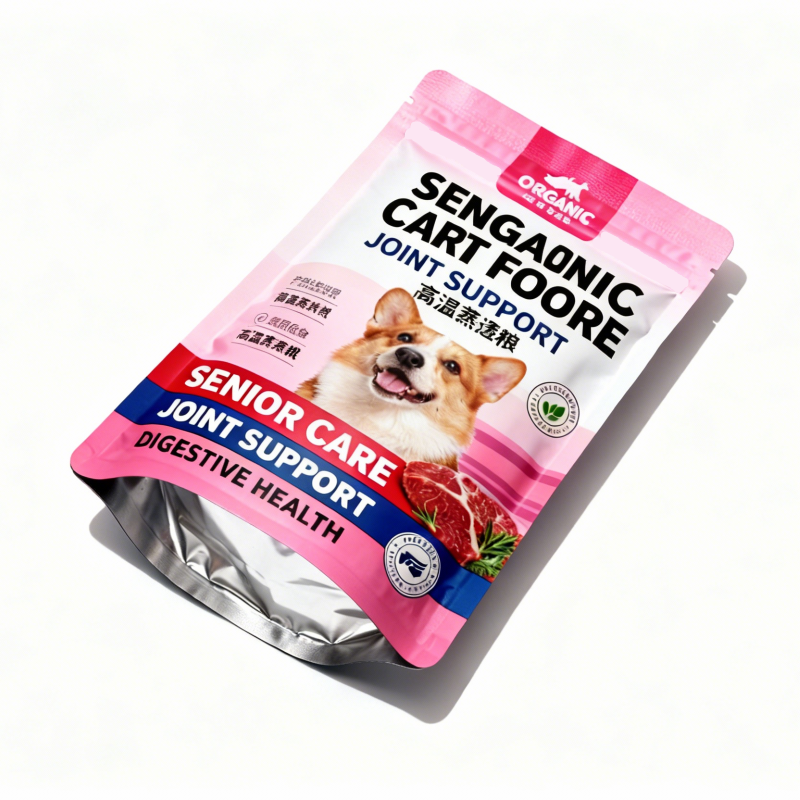
- Pet treats and freeze-dried foods: Depending on their composition and shelf-life requirements, these products may need both oxygen and moisture protection. Puncture resistance and package durability can also matter during distribution.
- Light-sensitive products: Opaque or light-blocking structures may be appropriate when light exposure affects quality. Transparent high-barrier materials may be considered when product visibility matters, provided they meet the required protection level.
The storage environment also influences packaging requirements. Bags used in humid conditions or subjected to frequent handling may face different demands from those stored under controlled conditions.
What Should Be Evaluated Before Choosing a Structure?
Selecting High Barrier Bags should begin with the product’s actual storage and handling requirements, not simply the desired material thickness. First, identify the product’s sensitivity to oxygen, moisture, and light, along with its target shelf life. Then consider physical requirements such as puncture resistance, flexibility, and resistance to handling damage. Filling methods, sealing equipment, and pouch formats also matter because they influence manufacturing consistency.
Sample testing connects material specifications with actual performance. A trial can reveal whether a bag fills correctly, seals consistently, and withstands normal handling. Depending on the product, additional barrier, seal-strength, or leakage tests may be needed before confirming the final specification. This process helps distinguish essential performance requirements from optional features. It also reduces the risk of choosing a material that appears suitable on paper but performs poorly during production or storage.
Developing High Barrier Bags for Your Application
The right High Barrier Bags depend on product characteristics, required protection, packaging format, and production conditions. Mfirstpack offers customizable flexible packaging options, including foil-based and metallized structures, as well as selected recyclable mono-material solutions. Pouch formats, dimensions, and printing can also be adjusted to suit different products and presentation requirements.
Before finalizing a specification, define the product type, target shelf life, barrier requirements, filling conditions, and preferred appearance. Reviewing material options alongside sample development and relevant performance testing helps identify a practical solution based on actual application needs rather than thickness alone.
Conclusion
Material thickness is only one part of high-barrier packaging performance. Material composition, oxygen and moisture resistance, light protection, sealing quality, and storage conditions all influence how effectively a bag protects its contents. Evaluating these elements together and testing the finished package helps identify a structure that meets the product’s actual requirements.
FAQs
1. Are thicker high barrier bags always better?
No. Thickness can affect strength and durability, but barrier performance also depends on material composition and layer structure. The appropriate specification depends on the product’s protection requirements.
2. How can you tell whether a product needs high-barrier packaging?
Consider whether exposure to oxygen, moisture, or light could noticeably affect the product’s quality during its intended shelf life. Products that are sensitive to oxidation, moisture absorption, or aroma loss may need stronger barrier protection. Storage conditions and packaging tests can help confirm the required level.
3. Can transparent bags provide high barrier protection?
Yes. Certain transparent material structures are designed to provide barrier protection while keeping the contents visible. Their suitability depends on the product’s sensitivity and the required protection level.
4. Why should the finished bag be tested?
Film specifications alone cannot confirm the performance of the complete package. Testing the finished bag helps identify potential problems with sealing, leakage, and handling before full production.
Post time: Oct-27-2026