


In today’s global food supply chain, packaging is no longer just about containment—it directly impacts product safety, shelf life, and brand competitiveness. For B2B buyers, working with a reliable food packaging roll films manufacturer is essential to ensure consistent quality and operational efficiency.
From flexible packaging to high-barrier films, roll film solutions are becoming the backbone of automated food packaging systems across industries.
What Are Food Packaging Roll Films?
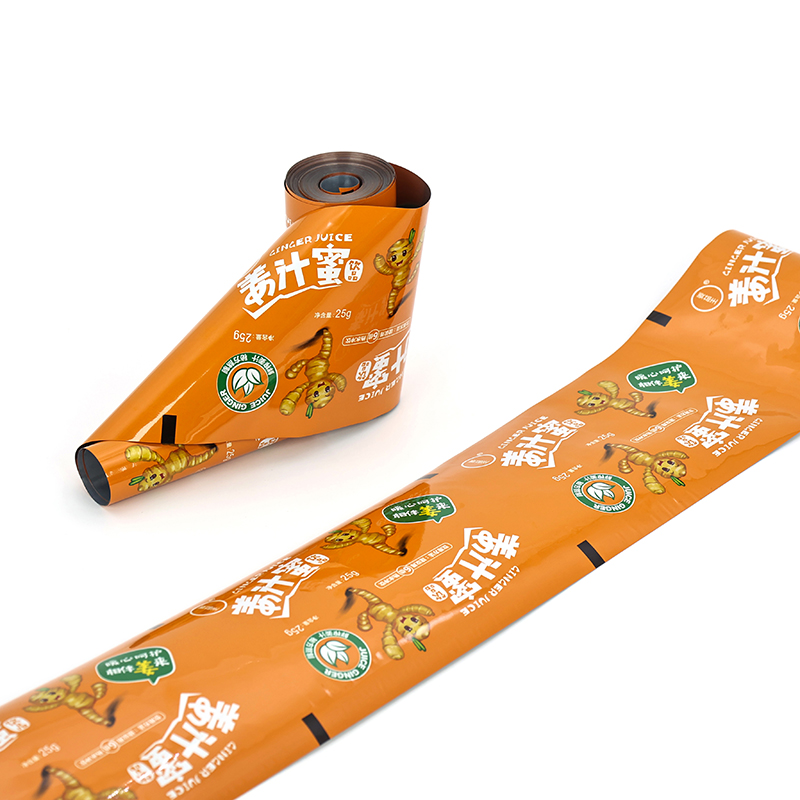
Food packaging roll films are flexible materials supplied in continuous rolls, designed for high-speed automatic packaging machines such as form-fill-seal (FFS) systems. These films are widely used for packaging snacks, frozen foods, dairy products, meat, and ready-to-eat meals.
Manufactured using multi-layer structures, these films combine different materials like PET, PE, BOPP, and aluminum foil to achieve specific performance requirements such as barrier protection, sealing strength, and printability.
Key Advantages of Working with a Food Packaging Roll Films Manufacturer
Choosing the right manufacturing partner ensures your packaging meets both functional and regulatory standards. High-quality roll films provide multiple advantages for food producers and distributors:
● Enhanced barrier protection: Multi-layer structures protect against moisture, oxygen, and light, preserving freshness and extending shelf life
● Compatibility with automation: Designed for high-speed packaging lines, improving production efficiency and reducing downtime
● Cost efficiency: Roll film packaging reduces material waste and lowers transportation and storage costs compared to pre-made pouches
● Customizable printing: High-definition rotogravure or flexographic printing supports strong branding and product differentiation
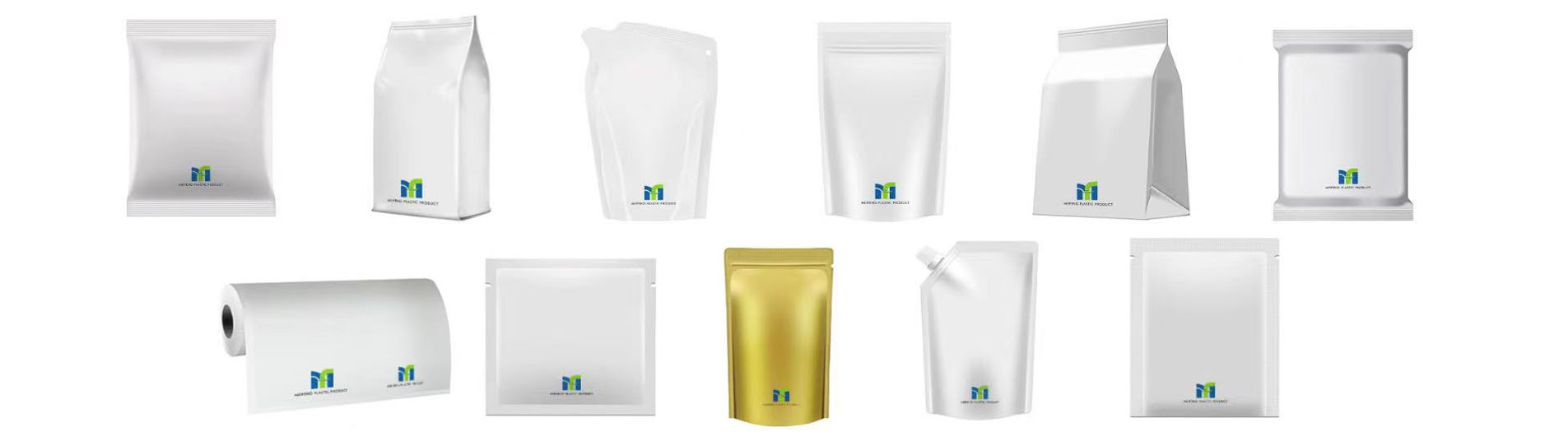
● Versatility: Suitable for various packaging formats such as pillow bags, sachets, vacuum packs, and stand-up pouches
For B2B buyers managing large-scale production, these benefits translate into improved operational consistency and reduced total packaging cost.
Material Structures and Technical Specifications
Food packaging roll films are engineered using different material combinations depending on product requirements. Each layer plays a specific role in performance.
● PET/PE: Offers excellent strength and sealing properties, commonly used for snacks and dry foods
● BOPP/CPP: Provides high clarity and good moisture resistance, ideal for bakery and confectionery products
● PET/AL/PE: Includes aluminum foil for superior barrier protection, suitable for coffee, sauces, and retort packaging
● NY/PE: Strong puncture resistance, often used for vacuum packaging of meat and seafood
In addition to material selection, manufacturers optimize key technical parameters:
● Thickness range: Typically 50–150 microns depending on application
● Sealing temperature: Adjustable for compatibility with different machines
● Oxygen transmission rate (OTR): Critical for perishable food preservation
● Moisture vapor transmission rate (MVTR): Ensures stability in humid environments
These specifications must be tailored to the specific product category to ensure optimal performance.
Applications Across Food Industries
Food packaging roll films are widely adopted across multiple sectors due to their flexibility and scalability.
● Snack industry: Chips, nuts, and puffed foods require high barrier films to maintain crispness
● Frozen food: Films must withstand low temperatures and prevent freezer burn
● Meat and seafood: Vacuum and modified atmosphere packaging (MAP) require strong sealing and puncture resistance
● Dairy products: Films ensure hygiene and extend shelf life for items like cheese and butter
● Ready meals: Retort films allow for high-temperature sterilization while maintaining package integrity
For manufacturers targeting international markets, compliance with food safety standards such as FDA, EU regulations, and ISO certifications is also essential.
Customization and Printing Capabilities
Modern food packaging is not just functional—it is also a key marketing tool. A professional food packaging roll films manufacturer offers advanced customization options to meet branding and operational needs.
● High-resolution printing (up to 10–12 colors) for premium shelf appeal
● Matte, glossy, or metallic finishes for differentiated product positioning
● Easy-tear features and resealable options to enhance user convenience
● Anti-fog and anti-static treatments for improved product visibility
● Custom roll dimensions tailored to specific packaging machines
These features allow brands to stand out in competitive retail environments while maintaining production efficiency.
Sustainability Trends in Food Packaging Roll Films
Sustainability is becoming a critical factor in B2B procurement decisions. Leading manufacturers are investing in eco-friendly packaging solutions to meet regulatory and market demands.
● Recyclable mono-material films (e.g., PE or PP structures)
● Reduced material thickness without compromising strength
● Bio-based and compostable film options
● Solvent-free lamination processes to reduce environmental impact
● Lightweight packaging to lower carbon footprint during transportation
For global buyers, adopting sustainable packaging solutions also supports ESG goals and enhances brand reputation.
Quality Control and Manufacturing Standards
Consistency is crucial in large-scale food packaging operations. Reliable manufacturers implement strict quality control systems throughout production.
● Raw material inspection to ensure food-grade compliance
● In-line testing for thickness, sealing strength, and barrier performance
● Color consistency checks for printed designs
● Batch traceability for quality assurance and recall management
● Cleanroom production environments to maintain hygiene standards
Advanced facilities often integrate automated inspection systems to detect defects and ensure uniformity across production batches.
Conclusion
A professional food packaging roll films manufacturer plays a strategic role in the food supply chain by delivering packaging solutions that balance performance, efficiency, and sustainability. From material selection to customization and compliance, high-quality roll films help food producers maintain product integrity while optimizing production costs.
As global demand for packaged food continues to grow, investing in advanced roll film solutions is no longer optional—it is essential for long-term competitiveness in the B2B market.
FAQ
1. What is the difference between roll film and pre-made pouches?
Roll film is supplied in continuous rolls and used on automated packaging machines, while pre-made pouches are ready-to-fill packages. Roll films are generally more cost-effective for high-volume production.
2. How do I choose the right material structure for my product?
The choice depends on factors such as product type, shelf life requirements, storage conditions, and packaging method. High-barrier structures are recommended for sensitive or perishable foods.
3. Are food packaging roll films recyclable?
Yes, many manufacturers now offer recyclable mono-material films. However, recyclability depends on local recycling infrastructure and the specific material used.
4. Can roll films be customized for different packaging machines?
Absolutely. Manufacturers can adjust roll width, thickness, and sealing properties to ensure compatibility with various automatic packaging systems.
Post time: Mar-19-2026