


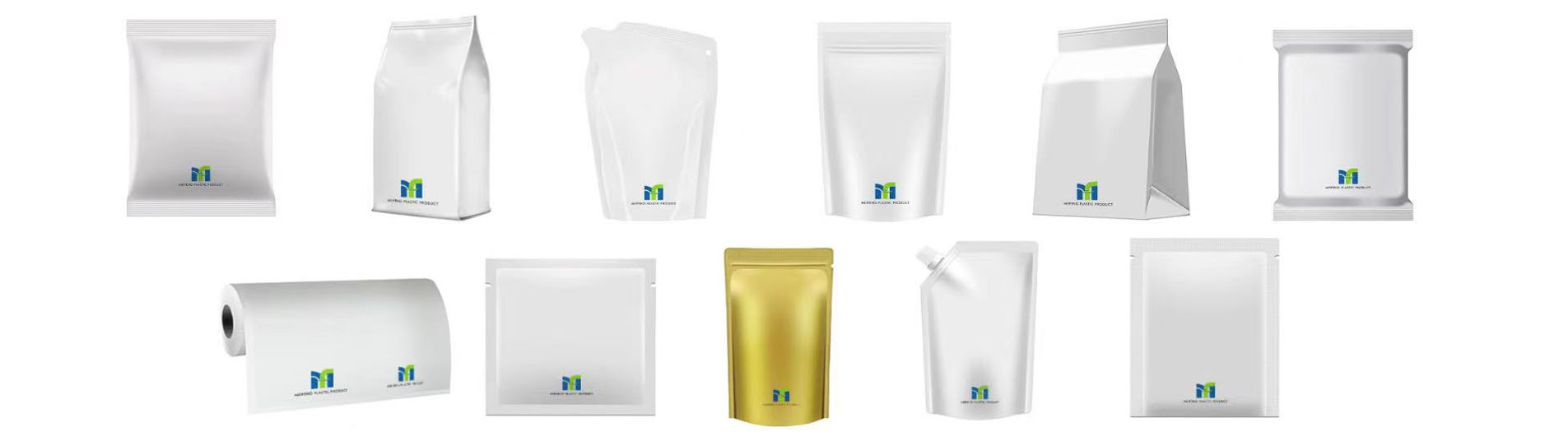
In today’s competitive food industry, packaging efficiency and product protection directly influence production costs, shelf life, and brand performance. For B2B food manufacturers, choosing high-quality food packaging roll films is essential for achieving stable automation, consistent sealing performance, and long-term product safety.
As flexible packaging continues to replace rigid formats, roll film solutions have become a core packaging material for high-speed food processing lines worldwide.
What Are Food Packaging Roll Films?
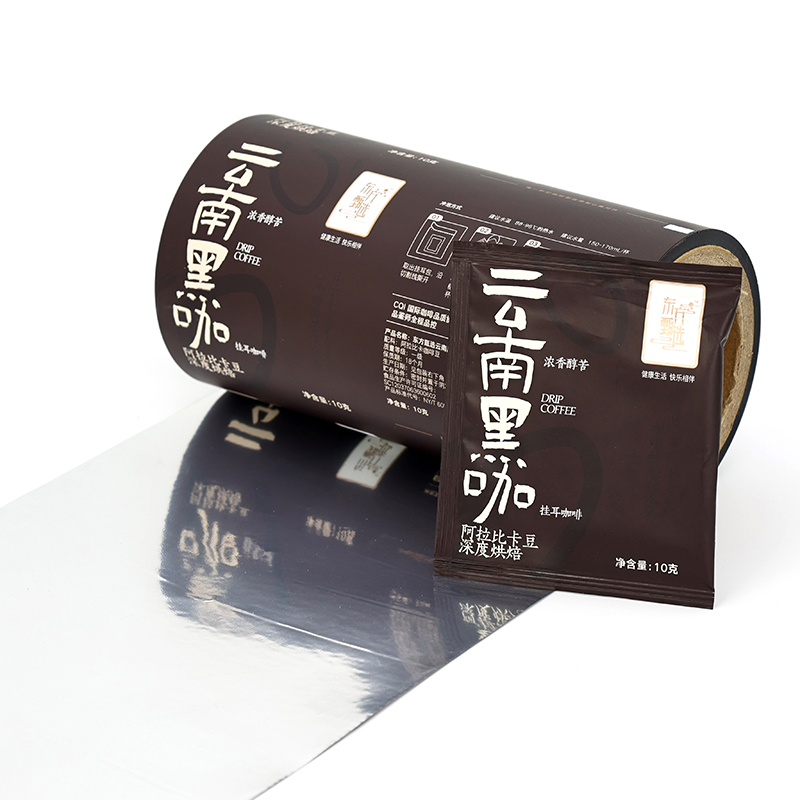
Food packaging roll films are flexible laminated materials supplied in roll form and designed for automatic packaging machines such as vertical form fill seal (VFFS) and horizontal form fill seal (HFFS) systems. These films are converted into pouches or sachets directly during production, improving efficiency and reducing packaging waste.
Key structural features include:
● Multi-layer laminated films combining strength, flexibility, and barrier protection
● Heat-sealable inner layers ensuring secure sealing performance
● High-speed machinability for automated production environments
● Excellent resistance to moisture, oxygen, grease, and external contamination
By integrating packaging formation and filling into one process, roll films significantly enhance manufacturing productivity.
Key Challenges in Food Packaging and How Roll Films Provide Solutions
1. Maintaining Product Freshness and Shelf Life
Food manufacturers must ensure products remain fresh throughout storage, transportation, and retail display. Exposure to oxygen or moisture can quickly reduce product quality.
Food packaging roll films address this challenge through:
● High-barrier material structures such as PET/PE, BOPP/CPP, PET/AL/PE, or NY/PE
● Protection against oxygen transmission and moisture penetration
● Optional light and aroma barriers for sensitive food products
● Stable sealing performance preventing leakage or contamination
These properties help manufacturers extend shelf life without compromising taste or texture.
2. Supporting High-Speed Automated Production
Modern food factories rely on automation to increase output while controlling labor costs. Packaging materials must run smoothly on equipment without tearing or sealing failure.
Roll film advantages include:
● Consistent thickness and tension control for smooth machine operation
● Excellent sealing strength at high packaging speeds
● Reduced downtime caused by film breakage or misalignment
● Compatibility with VFFS, HFFS, and flow wrap machines
Reliable roll films improve overall equipment efficiency and production stability.
3. Reducing Packaging and Logistics Costs
Cost control remains a major concern for B2B buyers. Compared with pre-made pouches, roll films offer significant economic advantages.
Operational benefits include:
● Lower material consumption during pouch forming
● Reduced transportation volume compared with rigid packaging
● Efficient storage due to compact roll format
● Less packaging waste during production
These advantages allow manufacturers to optimize total packaging costs across the supply chain.
Applications of Food Packaging Roll Films
Food packaging roll films are widely used across multiple food categories due to their flexibility and adaptability:
● Snack foods such as chips, nuts, and biscuits
● Frozen foods and ready-to-cook products
● Powder products including coffee, milk powder, and seasonings
● Sauces, condiments, and liquid foods
● Pet food and nutritional products
Different barrier levels and film structures can be customized according to product characteristics and storage requirements.
Customization Options for B2B Food Manufacturers
Professional suppliers provide tailored roll film solutions to match specific packaging machines and food applications.
Common customization options include:
● Transparent, matte, or metallized film finishes
● Adjustable film thickness and barrier performance
● High-definition rotogravure or digital printing
● Easy-tear features or laser scoring
● Anti-fog, anti-static, or puncture-resistant properties
Customized roll films ensure optimal compatibility with production processes while improving brand presentation.
Operational and Sustainability Advantages
Sustainability has become an important consideration for global food brands. Flexible roll films contribute to environmentally efficient packaging operations.
Key advantages include:
● Reduced plastic usage compared with rigid containers
● Lower transportation emissions due to lightweight materials
● Efficient material utilization during automated forming
● Availability of recyclable or mono-material structures
These benefits support manufacturers seeking both operational efficiency and sustainability goals.
Conclusion
Food packaging roll films play a vital role in modern food manufacturing by combining efficiency, protection, and cost optimization. For B2B food producers, high-performance roll films ensure stable automated production, extended shelf life, and consistent packaging quality. With customizable structures and excellent machinability, food packaging roll films provide a scalable solution for manufacturers aiming to improve productivity and remain competitive in global markets.
FAQ:
Q1: What foods are suitable for packaging with roll films?
Food packaging roll films are suitable for snacks, frozen foods, powders, liquids, pet food, and ready-to-eat products requiring automated packaging.
Q2: How do food packaging roll films extend shelf life?
Multi-layer barrier structures protect products from oxygen, moisture, light, and contamination, helping maintain freshness over longer storage periods.
Q3: Are food packaging roll films compatible with automatic packaging machines?
Yes. Roll films are specifically designed for high-speed VFFS, HFFS, and flow wrapping equipment used in industrial food production.
Q4: Can food packaging roll films be customized?
Yes. Manufacturers can customize material structure, thickness, printing design, barrier level, and functional properties according to product needs.
Post time: Feb-26-2026