


In the ever-evolving food industry, packaging is a critical factor in ensuring product quality, extending shelf life, and providing a unique brand identity. Food packaging bags have become an essential component for B2B manufacturers, offering flexibility, cost-effectiveness, and protection for a wide variety of food products. From snacks and liquids to frozen meals, food packaging bags provide a versatile and sustainable solution.
In this article, we will explore the different types of food packaging bags, their benefits, and the key factors to consider when choosing the right packaging solution for your products.
The Importance of Food Packaging Bags in B2B Manufacturing
Food packaging bags serve as the first line of defense against external factors such as moisture, air, light, and contamination. They play a vital role in preserving the freshness and integrity of food products while also improving transportation efficiency. Additionally, packaging bags are an important tool for branding and marketing, providing a canvas for vibrant graphics, product information, and eye-catching designs.
Key benefits of food packaging bags for B2B manufacturers include:
● Improved product protection during storage and transport
● Extended shelf life, especially for perishable items
● Customizable for branding and consumer appeal
● Compatibility with automated packaging lines for high-volume production
For manufacturers, choosing the right packaging bag is a strategic decision that impacts both product quality and operational efficiency.
Types of Food Packaging Bags
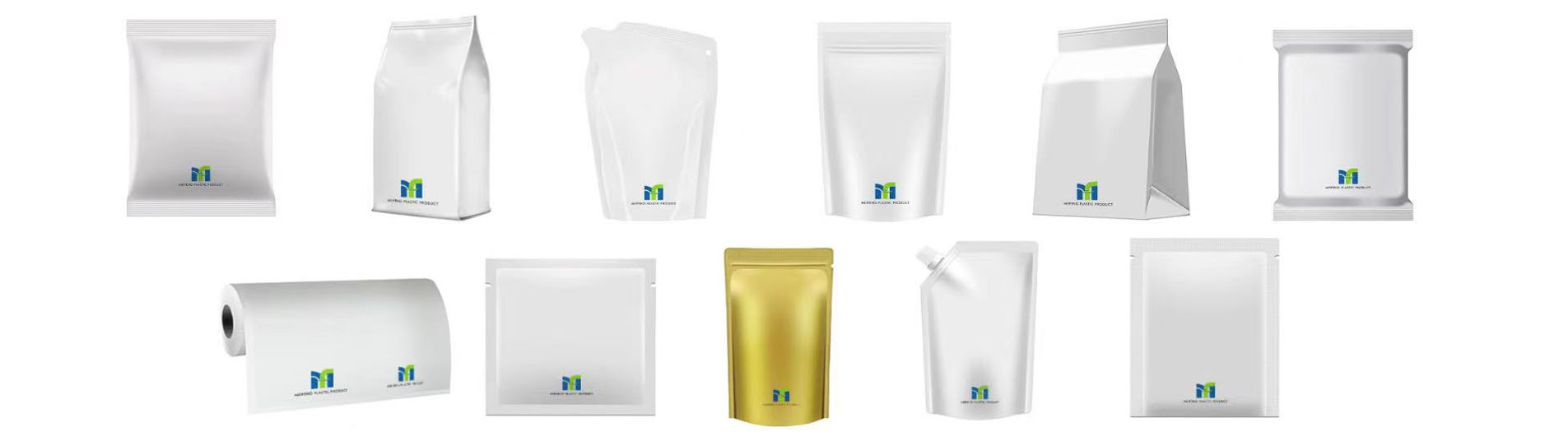
There are various types of food packaging bags designed to suit different food categories. The choice of bag depends on factors such as the product’s nature, shelf life, and storage requirements.
1. Stand Up Pouches
Stand-up pouches are one of the most popular types of food packaging bags, thanks to their flexibility and durability. These bags are designed with a gusset at the bottom that allows them to stand upright, making them ideal for display in retail environments. They are often used for snacks, dried foods, and pet foods.
Advantages:
● Space-efficient design
● Superior barrier properties for moisture, oxygen, and light
● Suitable for small and large volume production
● Can be equipped with features like zippers and tear notches for consumer convenience
2. Flat Pouches
Flat pouches are another commonly used type of food packaging bag. Unlike stand-up pouches, these bags are flat and ideal for single-serving or smaller portions of food products. They are commonly used for products like frozen foods, nuts, and coffee.
Advantages:
● Simple, cost-effective design
● Suitable for vacuum sealing
● Easy to store and transport
● Customizable in terms of material and size
3. Side Gusset Bags
Side gusset bags are another flexible packaging option commonly used for packaging bulkier food items. These bags have gussets on both sides that expand to accommodate larger quantities of food. They are frequently used for items such as flour, grains, and coffee beans.
Advantages:
● Large storage capacity
● Easy to handle and fill
● Ideal for bulk food packaging
● Can be sealed with a heat-seal or tin tie for freshness
4. Pillow Bags
Pillow bags are characterized by their pillow-like shape when filled with products. These bags are highly versatile and suitable for a variety of food products, including snacks, dried fruits, and confectionery.
Advantages:
● Cost-effective and simple packaging solution
● Efficient for high-volume, automated production
● Provides good protection against contamination
● Can be made from multiple layers for enhanced barrier properties
Factors to Consider When Choosing Food Packaging Bags
Choosing the right food packaging bag involves several considerations. The following factors can help B2B buyers select the best packaging solution for their food products:
1. Barrier Properties
One of the most important aspects of food packaging bags is their ability to protect products from external elements like moisture, oxygen, and light. The right barrier properties are essential for preserving the taste, texture, and nutritional value of food.
● Multi-layer films enhance the barrier properties
● Materials like PET, VMPET, and aluminum foil offer excellent protection against oxygen and moisture
2. Customization Options
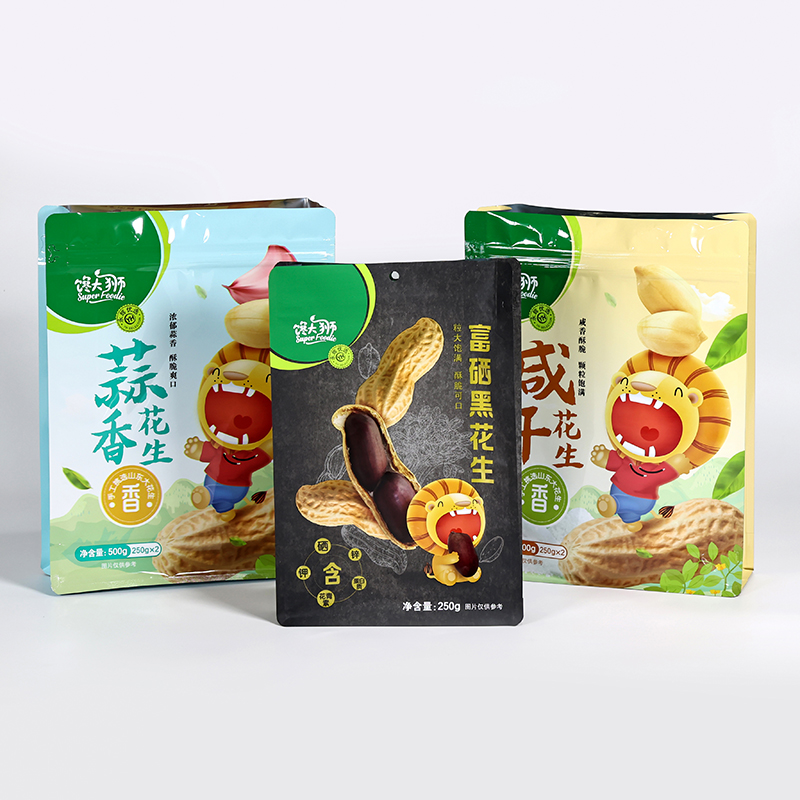
Food packaging bags offer a variety of customization options, which is essential for B2B buyers seeking to differentiate their brand in a competitive market. Custom printing, colors, and finishes can help reinforce branding and attract consumer attention.
● Full-color printing for logos, nutritional information, and promotional content
● Custom shapes and sizes for unique product needs
● Matte, glossy, or metallic finishes for added appeal
3. Shelf Life and Food Type
The shelf life of food products is heavily influenced by the type of packaging. Packaging materials should be chosen based on the specific needs of the food product, including whether it’s perishable or requires refrigeration. For perishable items, selecting bags with high barrier properties is crucial to extend freshness.
● High-barrier films for perishable foods like meat, dairy, and fresh produce
● Resealable pouches for easy opening and closing
4. Sustainability
With growing concerns about the environment, sustainability is an important factor for B2B buyers. Many food packaging bags are now available in recyclable materials, and some manufacturers offer eco-friendly options that use fewer resources while maintaining performance.
● Recyclable packaging options made from mono-materials
● Eco-friendly printing inks and solvent-free lamination
● Bags made from biodegradable materials
Conclusion
Food packaging bags play an essential role in the food industry, offering flexibility, protection, and consumer appeal for a wide variety of food products. By selecting the right type of bag, food manufacturers can improve product quality, enhance brand visibility, and reduce operational costs. With a range of materials, customization options, and sustainable choices available, B2B buyers can find the ideal packaging solution for their food products while meeting the growing demands of consumers and the environment.
FAQ:
1. What types of food products are best suited for food packaging bags?
● Snacks, dried fruits, and confectionery
● Frozen foods, grains, and pet foods
● Bulk food items such as flour and sugar
● Ready-to-eat meals and liquids
2. How do food packaging bags extend the shelf life of food products?
Food packaging bags provide effective barrier properties that protect against moisture, oxygen, and light, which helps preserve the freshness, aroma, and nutritional value of food, extending its shelf life.
3. Can food packaging bags be customized for branding?
Yes. Food packaging bags can be customized with full-color printing, unique shapes, sizes, and finishes like matte, glossy, or metallic to help enhance branding and attract consumers.
4. Are there sustainable options for food packaging bags?
Many suppliers offer recyclable food packaging bags made from mono-materials and eco-friendly printing options, which help businesses meet sustainability goals while maintaining high-performance standards.
Post time: Mar-12-2026