


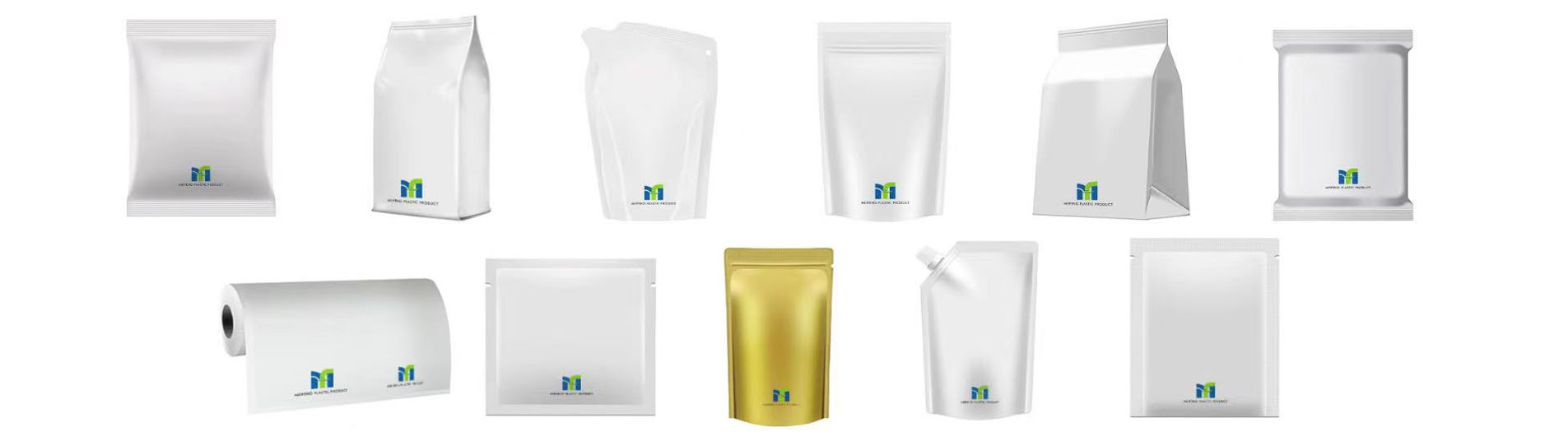
In modern food production, packaging is no longer just a protective layer—it directly impacts product quality, shelf life, and brand perception. For food processors and packaging users, choosing the right food grade packaging roll film is essential to maintain consistency and meet market expectations.
As automation becomes standard in food processing, roll film solutions are increasingly used to improve efficiency and reduce operational complexity.
What Is Food Grade Packaging Roll Film?
Food grade packaging roll film refers to flexible packaging materials designed specifically for direct or indirect food contact. These films comply with strict safety standards and are widely used in automated packaging systems.
They are typically supplied in roll form and used in high-speed machines such as vertical and horizontal form-fill-seal systems. This allows continuous packaging with minimal interruption, making them ideal for large-scale food production environments.
Key Advantages in Food Packaging Operations
For food companies and packaging operators, food grade roll films offer clear operational and product-related benefits:
● Consistent product protection: Helps prevent contamination and preserves freshness during storage and transportation
● Improved production efficiency: Supports continuous high-speed packaging with fewer interruptions
● Reliable sealing performance: Ensures package integrity, reducing the risk of leakage or spoilage
● Reduced packaging waste: Roll format improves material utilization compared to pre-formed packaging
● Better product presentation: Enables clean, uniform packaging appearance across batches
These advantages are particularly important for businesses focused on scaling production while maintaining quality.
Material Structures and Performance Characteristics
Different food products require different packaging performance. Food grade roll films are designed using multiple material layers to achieve specific functional properties.
● PET-based structures: Provide strength and dimensional stability for high-speed operations
● PE sealing layers: Ensure strong and consistent heat sealing
● BOPP films: Offer excellent clarity and moisture resistance for retail packaging
● Nylon layers: Improve puncture resistance for products like meat or frozen items
● Aluminum layers: Deliver high barrier protection against oxygen and light
The combination of these materials allows packaging to be tailored for different storage conditions and product sensitivities.
Applications Across Food Processing Segments
Food grade packaging roll film is widely used across various food industries due to its flexibility and adaptability.
● Snack and dry food packaging: Maintains crispness and prevents moisture absorption
● Frozen food packaging: Performs reliably under low temperatures without cracking
● Meat and seafood packaging: Supports vacuum or modified atmosphere packaging
● Dairy packaging: Maintains hygiene and extends shelf life
● Ready meal packaging: Compatible with high-temperature processing such as retort
These applications demonstrate how roll films support both product protection and operational efficiency.
Customization for Functional and Branding Needs
Packaging is also a key part of product positioning. Food grade roll films allow for flexible customization to support both functional and visual requirements.
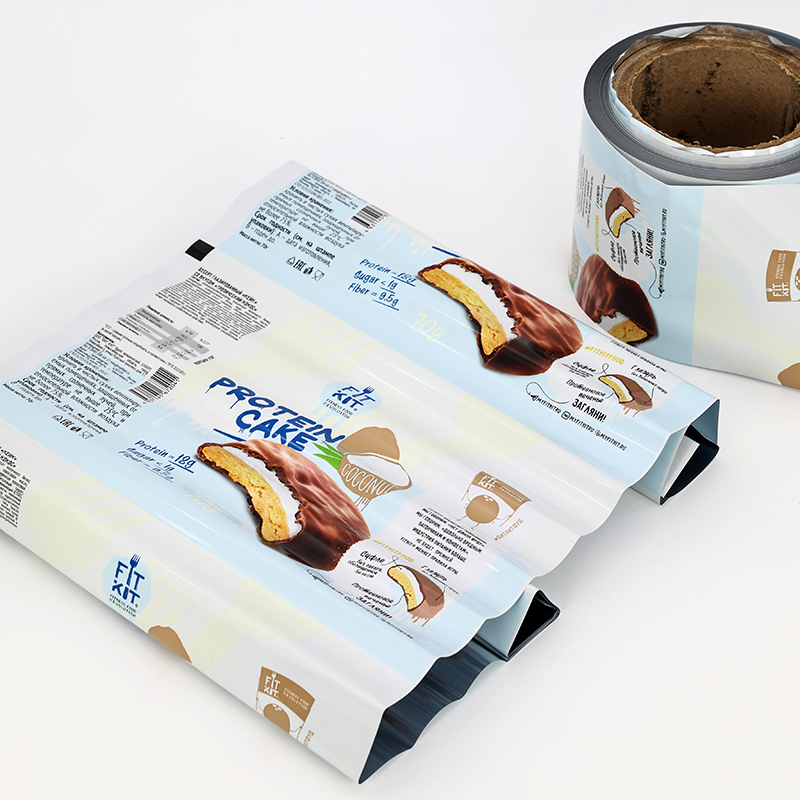
● High-quality printing for clear product information and branding
● Different surface finishes for enhanced shelf appeal
● Easy-tear designs for improved consumer convenience
● Anti-fog features for better product visibility
● Adjustable roll sizes for compatibility with various machines
Such customization helps businesses improve user experience while maintaining efficient packaging workflows.
Sustainability Considerations in Packaging
Sustainability is becoming an important factor in packaging decisions. Many food companies are adopting more environmentally responsible packaging materials.
● Use of recyclable mono-material films
● Reduction of material thickness to minimize resource consumption
● Development of biodegradable or bio-based films
● Cleaner production processes with reduced environmental impact
● Lightweight packaging to lower transportation emissions
These approaches help companies align with environmental goals while maintaining packaging performance.
Quality and Compliance Requirements
Food packaging must meet strict regulatory and quality standards to ensure safety and reliability.
● Compliance with food safety regulations such as FDA or EU standards
● Stable physical properties for consistent packaging performance
● Reliable sealing and barrier performance across batches
● Hygienic production and handling conditions
● Traceability for quality control and risk management
Meeting these requirements is essential for maintaining product safety and market access.
Conclusion
Food grade packaging roll film plays a critical role in modern food packaging systems by combining safety, efficiency, and flexibility. For food producers and packaging users, adopting the right roll film solution can significantly improve product protection, streamline operations, and support long-term growth.
As packaging demands continue to evolve, high-performance roll films will remain a key component in achieving both operational efficiency and product quality.
FAQ
1. What is the main benefit of using roll film instead of pre-made packaging?
Roll film supports automated packaging, reduces material waste, and improves efficiency in high-volume production.
2. Can food grade roll films be used for different types of food?
Yes, but the material structure should match the specific requirements of each product, such as moisture or oxygen sensitivity.
3. Are food grade packaging roll films suitable for high-speed machines?
Yes, they are specifically designed for compatibility with automated packaging systems.
4. How do roll films help extend shelf life?
They provide barrier protection against environmental factors like oxygen and moisture, which helps preserve product freshness.
Post time: Mar-26-2026