


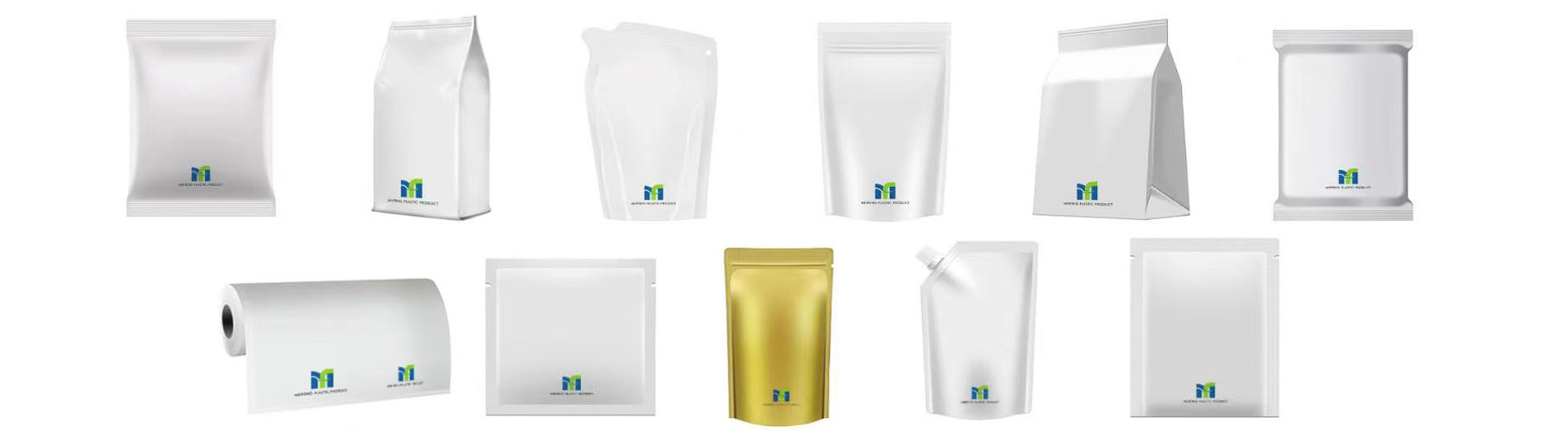
Choosing a flexible packaging format involves more than deciding how a product looks on the shelf. The pouch structure affects package capacity, stability, filling operations, and consumer handling. A Flat Bottom Pouch and a stand-up pouch can both provide practical packaging solutions, but their structural differences make them suitable for different product requirements. Selecting the right format means looking beyond appearance. Product weight, filling volume, retail presentation, material protection, and production conditions should all be considered before finalizing a package design.
Understanding the Structural Differences
A Flat Bottom Pouch features a flat base and multiple panels, typically including a front, back, and two sides. Once filled, its bottom expands to provide support, creating a more defined, box-like shape. The additional panels also offer more space for branding, product information, and instructions.
A stand-up pouch generally uses a bottom gusset that opens when the product is filled. This allows the package to stand upright while maintaining a softer, more flexible shape. Its relatively simple structure makes it adaptable to many everyday food packaging applications.
Both formats can incorporate features such as resealable zippers and tear notches. The main difference lies in their base construction and overall shape: a flat bottom design emphasizes a structured appearance, while a stand-up pouch offers greater flexibility in its form.
How Product Volume and Package Size Affect the Choice
Product capacity is one of the first considerations when selecting a pouch. The package must hold the required quantity without becoming unnecessarily large or difficult to handle.
A Flat Bottom Pouch can be suitable for products that need a defined package shape. Its multiple panels provide usable space for different product volumes and allow brands to arrange information across several surfaces. This can be particularly useful for larger retail packs or products that benefit from a more structured appearance.
Stand-up pouches are also available in a wide range of sizes. They can accommodate small portions and larger consumer packs, making them a flexible option when the packaging format does not need to maintain a box-like shape.
However, package dimensions alone do not determine usable capacity. Product density, shape, and the space needed above the contents all influence the final filling volume. Lightweight products may require wider packaging because they occupy more space, while heavier products may place greater demands on the pouch structure.
Before confirming dimensions, test the actual product in a sample pouch. This helps determine whether the package holds the intended quantity while maintaining a suitable shape after filling.
Shelf Presentation and Package Stability
A pouch needs to do more than contain a product. Its appearance and ability to stand upright can affect how it is displayed and recognized in a retail environment.
The broad base of a Flat Bottom Pouch generally provides a stable foundation. Its defined shape can help maintain a consistent front-facing display, while the side panels create additional space for ingredients, instructions, and other product information. This makes the format useful for brands that want a more structured shelf presentation.
A stand-up pouch can also display products vertically, but its shape may change more noticeably depending on the filling volume and how the contents settle. This is usually acceptable when a softer package appearance is not a concern. However, brands seeking a more consistent package profile may prefer to evaluate a flat bottom design.
The retail environment should guide the decision. Consider shelf depth, available display width, package arrangement, and how customers view the product. A pouch that stands well on its own may still be unsuitable if its dimensions make shelf organization difficult.
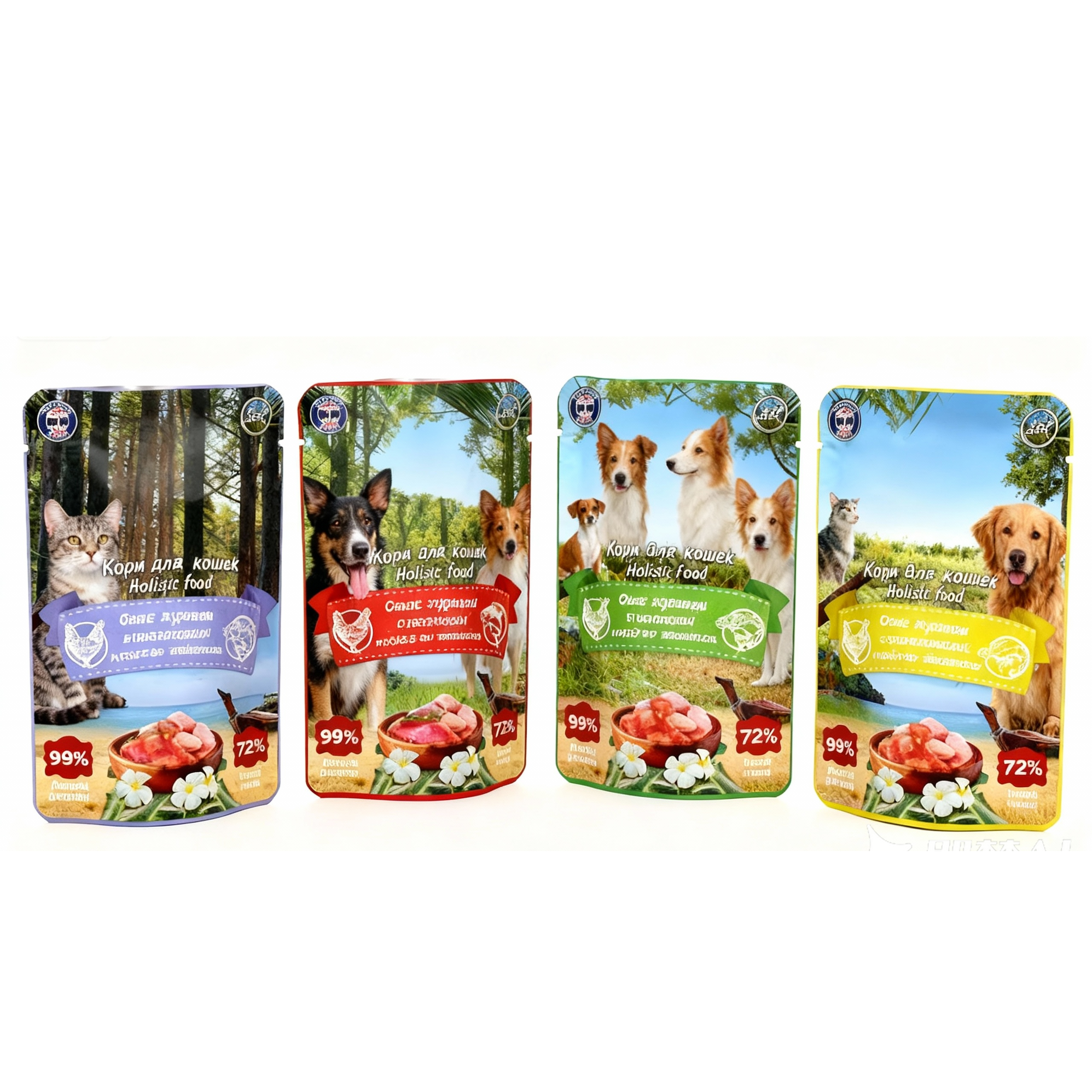
Filling, Handling, and Storage Requirements
The packaging format must also work within the production process. A design that looks suitable in an artwork file may create difficulties when the pouch is opened, filled, sealed, or transported.
A Flat Bottom Pouch has several panels and a structured base, so its dimensions and opening need to match the filling method. The pouch should open properly, allow the product to enter without unnecessary spillage, and maintain a reliable seal after filling.
Stand-up pouches have a more flexible construction, but compatibility still depends on pouch width, opening size, bottom gusset, and filling equipment. An unsuitable opening or excessive filling can make handling and sealing more difficult.
Storage and transportation also deserve attention. Empty pouches and filled packages have different space requirements. A flat bottom design may provide a defined shape for retail display, but it does not automatically reduce transportation space. The result depends on package dimensions, filling volume, stacking arrangements, and shipping conditions.
Testing the selected format with the actual product and intended equipment before mass production can help identify problems early.
Material Structure and Product Protection
Pouch shape determines the basic package form, but material selection plays a major role in protecting the contents.
Different food products have different packaging requirements. Dry foods may need protection against moisture and oxygen. Light-sensitive products may require suitable light protection, while products with strong aromas may need materials that help limit aroma transfer.
Both Flat Bottom Pouch and stand-up pouch formats can use different flexible packaging material combinations. The appropriate structure depends on product sensitivity, expected shelf life, storage conditions, and distribution requirements.
It is important not to assume that one pouch shape automatically provides better barrier performance. Protection depends primarily on the selected material structure and the quality of the finished package. Seal integrity is equally important because wrinkles, contamination, or incomplete sealing can affect the package’s ability to protect the product.
Evaluating material requirements and seal performance together helps avoid choosing a visually attractive package that does not meet the product’s storage needs.
Which Format Is More Suitable for Your Product?
A Flat Bottom Pouch may be a suitable option when:
- The package needs a broad supporting base and a defined shape.
- Multiple panels are useful for branding and product information.
- A consistent upright appearance is important for retail display.
- The product volume makes practical use of the pouch’s structured design.
A stand-up pouch may be more appropriate when a flexible package with a simpler structure is sufficient. It can accommodate many everyday food products, particularly when a box-like appearance and additional display panels are not essential.
Neither format is universally better. The right choice depends on product weight, filling volume, retail presentation, equipment compatibility, and material requirements. Evaluating these factors together is more reliable than choosing a pouch based on appearance alone.
What to Consider When Customizing a Pouch
After selecting the format, brands need to determine the details of the finished package. Dimensions, bottom construction, material combinations, printing layout, and closure options should work together.
For products consumed over several occasions, a resealable zipper may improve convenience. A tear notch can make opening easier, while printing across the front, back, and side panels can provide space for product information. The material structure should also match the product’s protection requirements.
When developing a Flat Bottom Pouch, evaluate both the empty sample and the filled package. An empty pouch can show its basic construction and print quality, but filling tests reveal whether the bottom expands properly, the package stands securely, and the seals remain intact during handling.
Mfirstpack offers flexible food packaging products and packaging development support for different application requirements. Discussing pouch dimensions, material combinations, printing, and closure options together can help identify a suitable structure for the intended product. The goal is to achieve a package that works in actual production and use, rather than adding features that do not improve packaging performance.
Conclusion
A Flat Bottom Pouch and a stand-up pouch serve different packaging priorities. Flat bottom designs are generally more suitable when a stable base, defined shape, and multiple display panels are important. Stand-up pouches offer a flexible alternative for products that do not require the same structured appearance.
Before making a final decision, consider product capacity, shelf presentation, filling operations, material protection, and storage conditions. Testing the selected format with the actual product can help confirm whether it meets both production requirements and retail expectations.
FAQ
1. Can a Flat Bottom Pouch be customized for different product weights?
Yes. A Flat Bottom Pouch can be customized in width, height, gusset dimensions, and material structure to accommodate different product weights and volumes. Filling tests help confirm that the selected dimensions provide sufficient capacity and maintain the intended shape.
2. Can a Flat Bottom Pouch include a resealable zipper?
Yes. A zipper can be incorporated into the pouch design when repeated opening and closing are important. This is useful for products that consumers may use over several occasions.
3. Does a Flat Bottom Pouch require special filling equipment?
Not necessarily. Compatibility depends on the pouch dimensions, opening design, filling method, and existing production setup. Confirming equipment compatibility before mass production helps reduce filling and sealing difficulties.
4. What should be checked when evaluating a pouch sample?
Check whether the filled pouch stands securely, whether the bottom and side gussets expand properly, and whether the seals remain intact. Opening performance, print appearance, and package shape during handling should also be evaluated.
Post time: Nov-12-2026