


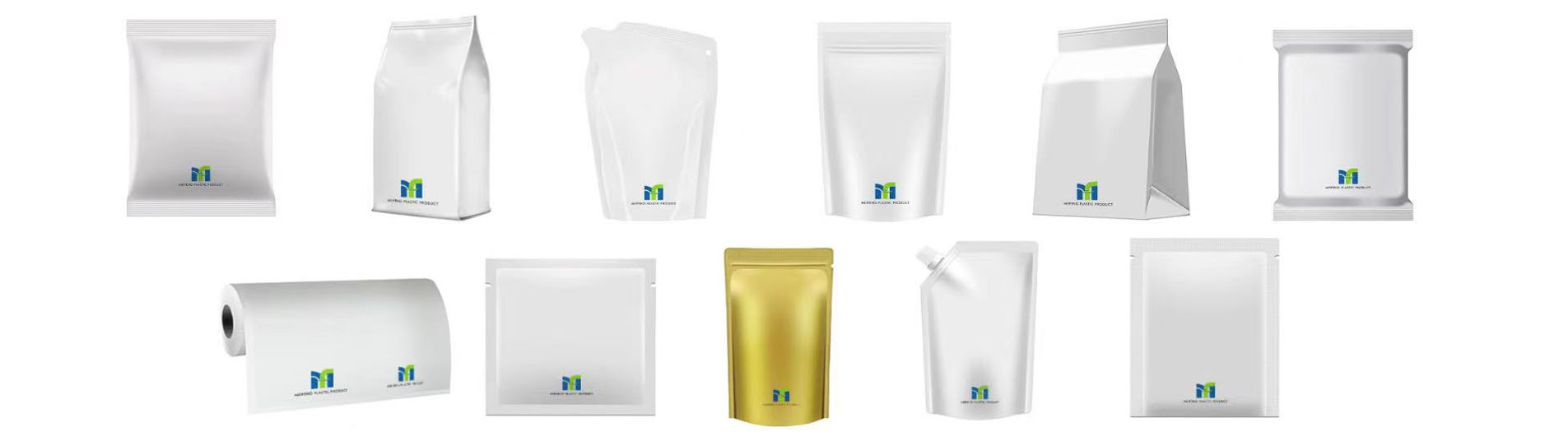
In today’s competitive packaging landscape, businesses are constantly seeking solutions that combine functionality, efficiency, and strong visual appeal. Flat bottom bags have become one of the most popular flexible packaging formats due to their stability, storage efficiency, and premium presentation.
From food products to industrial materials, flat bottom bags are widely used across industries where both performance and shelf impact matter.
What Are Flat Bottom Bags?
Flat bottom bags, also known as box pouches or block bottom bags, are a type of flexible packaging with a rectangular base that allows the bag to stand upright on shelves. Unlike traditional pillow bags, these pouches feature a flat base and multiple side panels, creating a box-like shape.
This structure provides enhanced stability and maximizes internal volume, making them ideal for a wide range of packaging applications.
Key Structural Features of Flat Bottom Bags
The unique design of flat bottom bags sets them apart from other flexible packaging formats.
● Flat base: Allows the bag to stand upright without additional support
● Side gussets: Expandable panels increase storage capacity
● Reinforced sealing edges: Improve durability and prevent leakage
● Multiple printable surfaces: Offer more space for branding and product information
● Box-shaped structure: Provides better stacking and display performance
These features make flat bottom bags both functional and visually appealing.
Advantages of Using Flat Bottom Bags
Flat bottom bags offer a range of practical benefits that make them suitable for modern packaging needs.
● Excellent shelf stability: Stands upright neatly, improving product display
● Efficient space utilization: Maximizes storage capacity during transportation and warehousing
● Premium appearance: Creates a structured, high-end look that enhances brand perception
● Improved filling efficiency: Stable structure supports automated filling processes
● Versatility: Suitable for both lightweight and heavier products
These advantages help businesses optimize both packaging performance and market presentation.
Common Applications Across Industries
Flat bottom bags are widely used in various sectors due to their adaptability and durability.
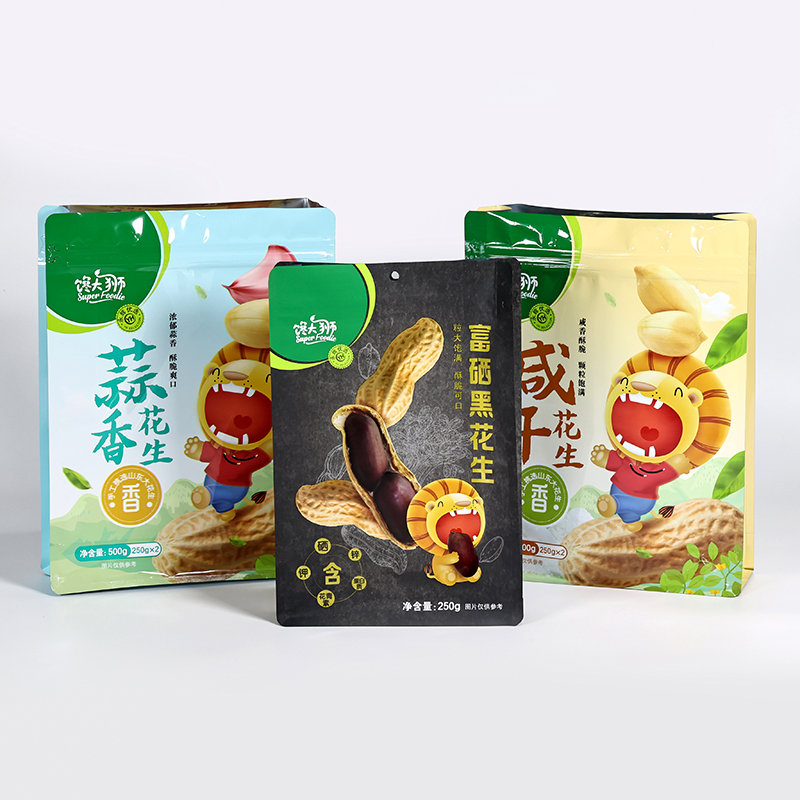
● Food packaging: Coffee, tea, snacks, grains, and pet food
● Powder products: Protein powders, spices, and baking ingredients
● Agricultural products: Seeds, fertilizers, and animal feed
● Retail goods: Dry goods and specialty packaged items
● Industrial materials: Granules and lightweight bulk materials
Their ability to handle different product types makes them a highly flexible packaging solution.
Material Options and Performance
Flat bottom bags can be produced using a variety of material structures to meet specific product requirements.
● PET/PE: Provides strength and reliable sealing
● BOPP/CPP: Offers clarity and moisture resistance
● Aluminum foil laminates: Deliver high barrier protection
● Kraft paper laminates: Provide a natural, eco-friendly appearance
● Nylon-based films: Enhance puncture resistance
The choice of materials depends on factors such as product sensitivity, shelf life requirements, and storage conditions.
Compatibility with Automated Packaging Systems
Flat bottom bags are designed to work efficiently with modern packaging equipment, supporting high-volume production.
● Compatible with automatic filling and sealing machines
● Stable base improves positioning during filling
● Consistent dimensions ensure smooth machine operation
● Suitable for various filling types including powders, granules, and solids
This compatibility helps reduce downtime and improves overall production efficiency.
Customization and Branding Opportunities
Packaging is a key part of brand communication, and flat bottom bags offer excellent customization options.
● High-quality printing for strong visual impact
● Matte, gloss, or textured finishes for product differentiation
● Resealable zippers for added convenience
● Transparent windows for product visibility
● Custom sizes and shapes to fit specific product needs
These features allow brands to create distinctive packaging that stands out in competitive markets.
Sustainability Trends in Flat Bottom Packaging
Sustainability is becoming increasingly important in packaging design, and flat bottom bags are evolving to meet these expectations.
● Use of recyclable mono-material structures
● Reduced material usage compared to rigid packaging
● Lightweight design to lower transportation emissions
● Development of biodegradable and compostable materials
● Efficient packaging that minimizes waste
These developments support environmentally responsible packaging solutions.
Why Flat Bottom Bags Are Growing in Popularity
The rise of flat bottom bags reflects changing market demands for packaging that balances efficiency, aesthetics, and sustainability. Their ability to combine structural strength with flexible design makes them suitable for both retail and industrial applications.
As businesses continue to focus on product presentation and operational efficiency, flat bottom bags are expected to play an increasingly important role in packaging strategies.
Conclusion
Flat bottom bags represent a modern packaging solution that delivers stability, efficiency, and strong visual appeal. Their unique structure allows for better storage, improved shelf presence, and compatibility with automated systems.
For businesses looking to enhance packaging performance while maintaining a professional product image, flat bottom bags provide a reliable and versatile option.
FAQ
1. What makes flat bottom bags different from regular pouches?
Flat bottom bags have a box-shaped structure with a stable base, allowing them to stand upright and provide more storage capacity.
2. Are flat bottom bags suitable for food packaging?
Yes, they are widely used for food products such as coffee, snacks, and grains, especially when high barrier materials are applied.
3. Can flat bottom bags be used in automated production lines?
Yes, their stable structure and consistent dimensions make them suitable for automatic filling systems.
4. What materials are commonly used for flat bottom bags?
Common materials include PET, PE, BOPP, aluminum foil laminates, and kraft paper composites.
Post time: Apr-02-2026