


Cat litter packaging needs to do more than simply contain a product. During filling, storage, stacking, and transportation, bags must support considerable weight while protecting the contents from moisture and physical damage. Packaging that tears easily or develops weak seals can cause product loss, customer complaints, and additional distribution costs.
For cat litter brands, choosing the right Cat Litter Packaging is an important part of product quality and delivery management. Different litter types, package sizes, and distribution conditions place different demands on packaging materials and structures. Understanding these requirements helps brands select bags that are durable, practical, and suitable for their products.
Understand the Weight and Handling Requirements
The first step in choosing suitable Cat Litter Packaging is determining how much weight each bag must carry and how it will be handled. Cat litter is sold in different package sizes, from smaller consumer bags to larger formats designed for households and bulk distribution.
As package weight increases, the demands on the bag structure also increase. The bottom and side seals must support the contents, while the film needs sufficient strength to resist stretching, tearing, and puncturing. A bag that performs well at a small capacity may not provide the same reliability when used for a heavier product.
Handling conditions are equally important. Bags may be lifted manually, moved by warehouse equipment, stacked on pallets, or arranged on retail shelves. Repeated movement and contact with other packages can create friction and pressure, particularly around corners, folds, and sealed edges.
Select Materials for Strength and Product Protection
Material selection directly affects the durability and protective performance of cat litter bags. Different litter products have different physical characteristics, so the packaging structure should match the product rather than follow a single standard solution.
For example, lightweight litter may require a different balance of flexibility and strength from dense mineral-based products. Rough or irregular particles may also create friction against the inside of the bag during filling and transportation. If the material structure is unsuitable, the packaging may become more vulnerable to punctures and tears.
Moisture protection is another important consideration. Some cat litter products can be affected by humidity, which may influence their texture, flowability, or intended performance. Packaging materials should provide an appropriate moisture barrier based on the product formulation and expected storage conditions.
- Tear and puncture resistance: The film should withstand lifting, movement, and contact with rough particles or other packages.
- Moisture protection: The material structure should help prevent external humidity from affecting the product.
- Flexibility: The bag should remain practical for filling, folding, stacking, and consumer handling.
- Material compatibility: Different layers should work together to provide the required strength and sealing performance.
A thicker film does not automatically guarantee better packaging. Material combinations, layer properties, and manufacturing quality also influence performance.
Choose a Bag Structure That Supports the Weight
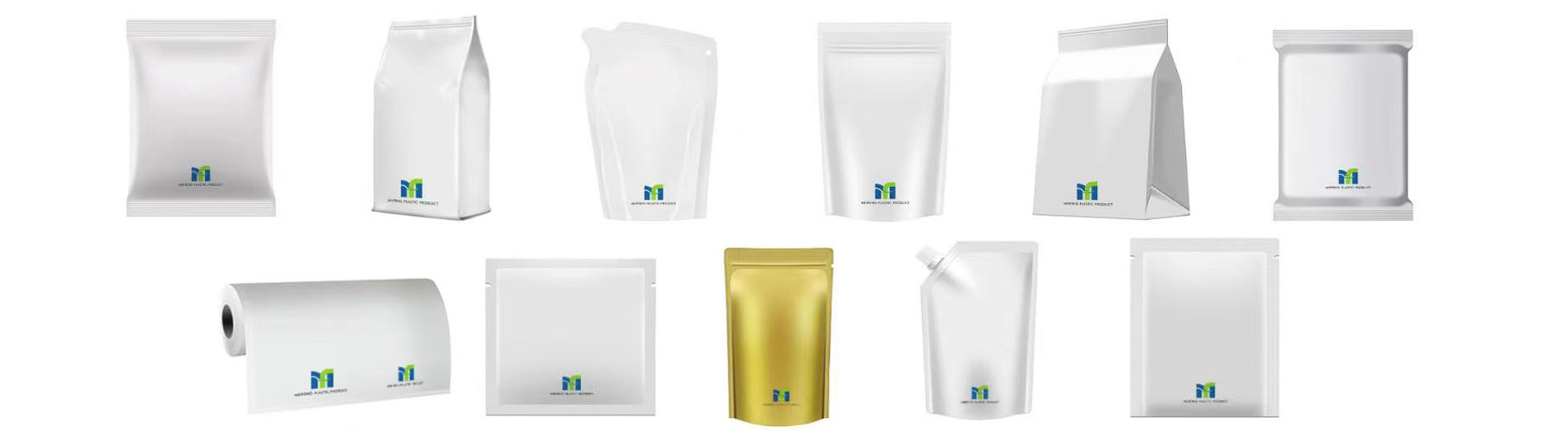
Side gusset bags provide additional space through expandable side panels. They can accommodate different product volumes while maintaining a relatively compact shape during storage. This structure may suit brands that need practical packaging for medium or larger quantities of cat litter.
Flat bottom bags have a stable base that helps filled packages stand upright. This improves shelf presentation and makes products easier to arrange in retail environments. However, the bottom construction and sealing areas must be designed to support the actual filled weight.
Pillow bags have a simpler structure and can be suitable for applications where production efficiency and material use are priorities. Their suitability depends on package capacity, sealing strength, and distribution conditions.
| Bag structure | Main advantages | Key consideration |
|---|---|---|
| Side gusset bag | Expandable capacity and compact storage | Side folds and seals must support the load |
| Flat bottom bag | Stable standing position and shelf presentation | Bottom structure must withstand filled weight |
| Pillow bag | Simple structure and practical production | Shape stability and sealing strength |
Pay Attention to Seal Strength
A bag can have suitable materials and dimensions but still fail if its seals are weak. For heavier cat litter products, the bottom and side seals are particularly important because they carry much of the load during lifting, stacking, and transportation.
Inconsistent sealing conditions may create weak areas that are not immediately visible. Product particles trapped in the sealing area can also interfere with seal formation. During transportation, pressure and repeated movement may cause these weak points to open or develop small tears.
To reduce these risks, the sealing process should match the selected packaging material. Temperature, pressure, and sealing time need to be controlled to achieve consistent results. Seal width and position should also be considered according to the bag structure and expected load.
Consider Transportation and Storage Conditions
The performance of Cat Litter Packaging must be evaluated beyond the filling line. During distribution, packages may be stacked in cartons or on pallets, moved between warehouses, and transported over long distances. Each stage can place different types of stress on the bag.
Stacking pressure is a common concern for heavier packages. When bags are placed in multiple layers, lower packages carry the weight of those above them. If the structure is unsuitable, this pressure can cause deformation, seal stress, or damage to the film.
Friction and impact also matter. Packages may rub against each other during transportation or come into contact with pallet edges and handling equipment. Suitable outer packaging and pallet arrangements can reduce unnecessary contact and protect the bags from damage.
Storage conditions should also be considered. If a cat litter product needs protection from humid environments, the packaging should provide an appropriate moisture barrier. Warehouse practices should further help prevent prolonged exposure to moisture. The expected storage duration and distribution route should be considered when evaluating the final packaging solution.
Test Packaging Samples Before Mass Production
Before placing a large order, brands should test whether the selected bag can withstand actual operating conditions. Sample evaluation helps identify weaknesses in materials, seals, and bag structures before they lead to production or distribution problems.
- Filled-bag handling: Fill samples to the intended weight and evaluate lifting, carrying, and normal handling.
- Seal inspection: Check the bottom and side seals for uneven areas, weak points, or visible defects.
- Drop and impact evaluation: Assess how the filled package responds to reasonable handling impacts.
- Stacking assessment: Observe whether the bags maintain their structure under expected stacking conditions.
- Moisture protection checks: Evaluate whether the packaging provides suitable protection for the product’s storage environment.
Testing should reflect the actual litter type and package size. A result obtained from a lightweight sample may not accurately represent the performance of a heavier bag. Brands should also consider the complete distribution process instead of relying on a single test result.
Customize Cat Litter Packaging Around Your Product
Choosing the right Cat Litter Packaging requires balancing product protection, package weight, production efficiency, and consumer convenience. A suitable solution should support the product from filling to final delivery while meeting the brand’s presentation requirements.
Before confirming a design, brands should identify the litter type, target package weight, preferred bag structure, filling method, storage environment, and distribution conditions. These details help determine the appropriate material combination, bag dimensions, sealing structure, and optional features such as carrying handles or customized printing.
For heavier packages, handle design deserves particular attention. A handle can make a bag easier to carry, but its position and construction must be suitable for the filled weight. Customized dimensions should also provide enough space for the product without creating unnecessary material use or making the package difficult to stack.
Mfirstpack offers flexible packaging options for different product and packaging requirements. By evaluating product characteristics, target capacity, and handling conditions before production, brands can develop packaging that better balances durability, protection, and usability.
Conclusion
Reliable Cat Litter Packaging depends on the right combination of material strength, bag structure, sealing performance, and transportation protection. Brands should evaluate packaging according to actual product weight and distribution conditions rather than relying on appearance or film thickness alone. Careful sample testing and appropriate customization can help reduce bag damage, protect product quality, and support more consistent delivery.
FAQ
1. What is the most important factor when choosing packaging for heavy cat litter?
There is no single factor. Material strength, bag structure, seal performance, and package weight should be evaluated together to ensure the finished bag can withstand normal handling and distribution.
2. Can cat litter packaging include a carrying handle?
Yes. A handle can improve carrying convenience, especially for larger packages. Its design and attachment area should be evaluated according to the filled package weight and expected handling conditions.
3. Does all cat litter require moisture-resistant packaging?
The required moisture protection depends on the litter formulation and storage requirements. Brands should evaluate how humidity affects their specific product before choosing a material structure.
4. Should packaging be tested with the actual cat litter product?
Yes. Testing with the intended product helps assess the effects of product weight, particle characteristics, and filling conditions. It provides a more reliable indication of packaging performance than testing an empty bag alone.
Post time: Nov-19-2026